Dentistry: common dental problems, prevention and finding a dentist
What dentistry covers, the dental problems people most often seek help for, everyday prevention, the signs that need urgent care, and how to check a dental provider before you book.
- Escrito por
- HealthNaro Editorial Team
- Publicado
How this page was made: Drafted by the HealthNaro Editorial Team with AI assistance, checked against reputable health sources, and not yet clinically reviewed. Editorial policy
Ainda sem revisão clínica
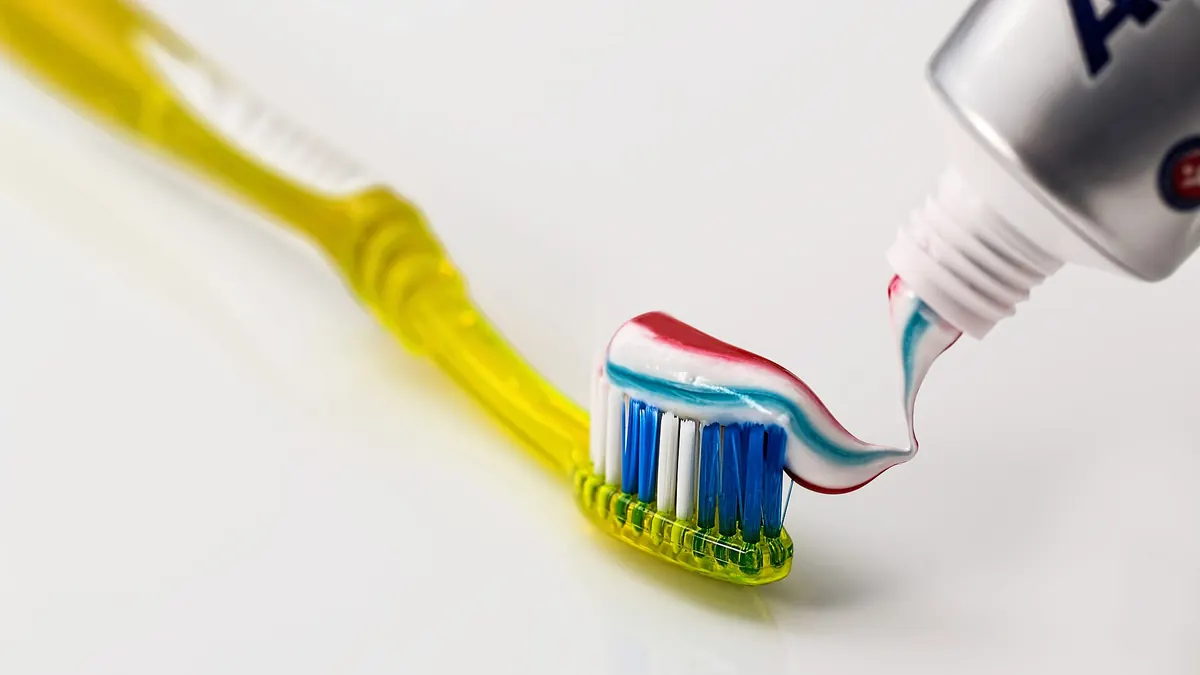
Dentistry is the branch of healthcare concerned with the teeth, gums, jaws and the soft tissues of the mouth. This page explains what the field covers, the problems people most often bring to a dental clinic, how to reduce your own risk, and how to find and check a provider.
What this field covers
A general dentist provides first-line oral care: examinations, scaling and polishing, fillings, simple extractions, X-rays and preventive advice. Beyond general practice, dentistry is divided into several recognised specialties. Orthodontists correct the position of teeth and jaws with braces and aligners. Oral and maxillofacial surgeons carry out surgery on the mouth, jaws and face, including difficult extractions and implant placement. Periodontists treat gum disease and the structures that hold teeth in place. Endodontists deal with the dental pulp and root canals. Prosthodontists restore or replace teeth with crowns, bridges, dentures and implant-supported teeth. Paediatric dentists care for infants, children and adolescents, and cosmetic dentists focus on the appearance of teeth and the smile.
The World Health Organization's oral health fact sheet (17 March 2025) estimates that oral diseases affect nearly 3.7 billion people worldwide. Most of this burden comes from a few largely preventable problems.
Common problems
Tooth decay (dental caries). Decay happens when bacteria in dental plaque turn sugars from food and drink into acids that dissolve the tooth surface. Early decay may show as a white or brown spot and cause no pain; later there may be sensitivity to sweet, hot or cold food, a visible hole, or toothache. The NHS notes that very early decay can sometimes be halted with fluoride treatment, while a cavity usually needs a filling. A general dentist treats most decay.
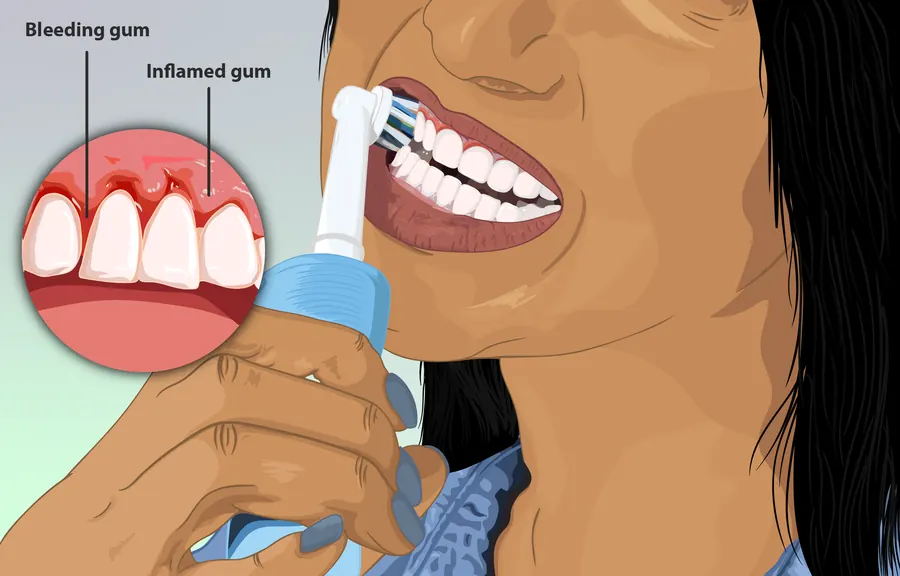
Gum disease (gingivitis and periodontitis). Plaque left along the gum line causes inflammation. Gums may look red or swollen and bleed when you brush. If it progresses to periodontitis, the bone and fibres that anchor the teeth are gradually lost, and teeth can loosen. A general dentist or hygienist manages early gum disease; advanced disease is usually referred to a periodontist.
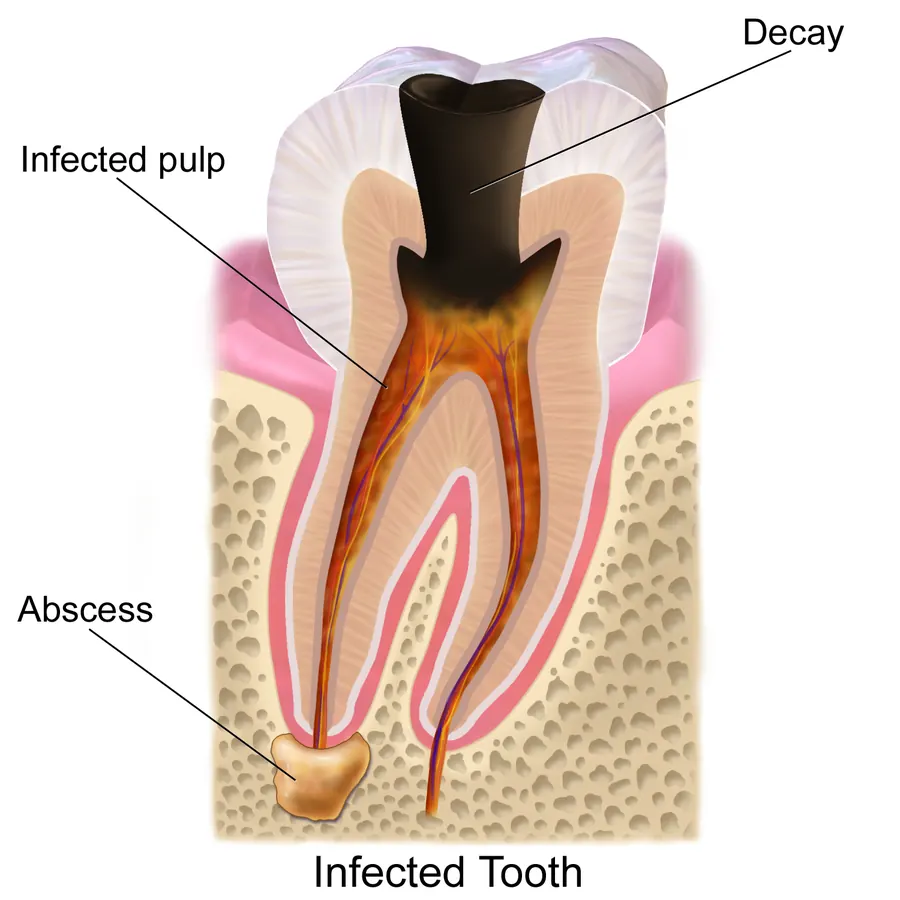
Dental abscess. An abscess is a collection of pus caused by infection inside a tooth or in the gum. Typical signs include intense throbbing pain, a swollen face or gum, a bad taste, fever and difficulty opening the mouth. The NHS stresses that an abscess will not clear up on its own and needs prompt dental treatment, usually by a general dentist or an endodontist if the tooth is to be saved.
Wisdom tooth problems. The third molars usually appear in the late teens or twenties. When there is not enough room they may come through at an angle or only partly, which can lead to pain, swelling, trapped food and infection. According to the NHS, wisdom teeth that cause no trouble are normally left alone; those that cause repeated problems may be removed by a general dentist or an oral surgeon.
Chipped, broken or knocked-out teeth. Falls, sport and biting hard objects can crack or break teeth. A knocked-out adult tooth has a better chance of being saved if it is reimplanted quickly, so the NHS advises keeping it moist in milk or saliva and seeing a dentist as soon as possible. General dentists provide emergency care; oral surgeons manage jaw injuries.
Missing teeth. Teeth lost to decay, gum disease or injury can affect chewing, speech and the position of the remaining teeth. Options include bridges, dentures and implants. Prosthodontists specialise in this area, and oral surgeons commonly place implants.
Crooked teeth and bite problems. Crowded, protruding or widely spaced teeth, or jaws that do not meet properly, can make cleaning harder and cause wear. An orthodontist assesses these, usually from late childhood onwards.
Mouth ulcers. Small painful sores inside the mouth are common and usually heal within one to two weeks. The NHS advises seeing a dentist or doctor about an ulcer that lasts longer than three weeks, keeps returning or grows larger.
Mouth cancer. Cancer can develop on the lips, tongue, gums, inside of the cheeks or the roof and floor of the mouth. Signs include an ulcer or red or white patch that does not heal, a lump, or unexplained bleeding or numbness. Tobacco and alcohol are the main risk factors named by the NHS. Dentists are often the first to spot it during a routine examination; treatment is led by oral and maxillofacial surgeons and cancer teams.
Children's dental problems. Decay in baby teeth and early tooth loss can affect the developing adult teeth. Paediatric dentists provide age-appropriate care and preventive treatments such as fluoride varnish and fissure sealants.
Prevention and self-care basics
The NHS guidance on keeping teeth clean comes down to a few consistent habits:
- Brush for about two minutes twice a day, including last thing at night, using a fluoride toothpaste. Spit out after brushing but avoid rinsing with water straight away, so the fluoride stays on the teeth longer.
- Clean between the teeth every day with floss or interdental brushes.
- Limit how often you have sugary food and drink. Frequency matters more than quantity because every sugar exposure produces an acid attack on enamel.
- Do not smoke or use other tobacco products, and keep alcohol within recommended limits. Both raise the risk of gum disease and mouth cancer.
- Attend a dental examination at the interval your dentist recommends, even when nothing hurts. Many problems are painless until they are advanced.
- For babies and young children, start brushing as soon as the first tooth appears and avoid sugary drinks in bottles, particularly at bedtime.
When to see a professional
Book a dental appointment if you notice bleeding gums, persistent bad breath, a tooth that is sensitive or painful, a visible hole or dark spot, a loose adult tooth, a broken filling or crown, or a mouth ulcer lasting more than three weeks. Children should see a dentist when the first tooth appears and then at regular intervals. A general dentist is the right first contact and will refer you to a specialist if needed.
Warning signs that need urgent care
Some dental problems can become dangerous within hours. The NHS advises emergency care, rather than waiting for a dental appointment, if you have:
- Swelling of the face, jaw or neck that is spreading, especially towards the eye or under the tongue.
- Difficulty breathing, swallowing or speaking.
- A fever together with severe dental pain or swelling.
- Difficulty opening your mouth, or teeth that no longer meet after an injury, which may indicate a broken jaw.
- Bleeding from the mouth that does not stop after 10 to 15 minutes of firm pressure.
- A knocked-out adult tooth, where speed matters for saving the tooth.
If you think you have a medical emergency, contact your local emergency services.
How to find and check a provider
HealthNaro lists dental clinics and dentists across the specialties above. Each listing carries one of four verification labels so you know what has been checked: Public listing (information gathered from public sources, not yet confirmed), Contact verified (the clinic has confirmed its phone number and email), Reviewed by HealthNaro (our team has reviewed the listing details) and Credentials verified (a current licence or registration has been seen). HealthNaro does not endorse any provider; the labels describe what we have checked, not how good a clinic is.
Before booking, it is reasonable to ask who will treat you, whether they are registered with the national dental regulator and what a quoted price includes. Browse providers by specialty:
- General Dentistry
- Orthodontics
- Oral and Maxillofacial Surgery
- Periodontics
- Endodontics
- Prosthodontics
- Paediatric Dentistry
- Cosmetic Dentistry
If you would rather not search yourself, our consulting service is free: tell us what you need and we will help you find a suitable clinic.
Frequently asked questions
How often should I see a dentist? The NHS says the interval depends on how healthy your teeth and gums are and your risk of future problems; your dentist will suggest a recall period, which may be between three months and two years.
Is bleeding when I brush normal? No. Bleeding gums are usually an early sign of gum disease rather than a sign of brushing too hard. Keep brushing gently along the gum line and book a dental examination.
Can a general dentist do a root canal or fit braces? Many general dentists carry out root canal treatment and some provide orthodontic treatment. Complex cases are usually referred to an endodontist or orthodontist.
What should I do with a knocked-out tooth? Handle it by the crown, not the root. If it is an adult tooth and you are able to, place it gently back into the socket; otherwise keep it in milk or in your cheek and see a dentist immediately. Baby teeth should not be reimplanted.
This page is general information, not medical or dental advice.
Se pensa ter uma emergência médica, contacte de imediato os serviços de emergência locais ou dirija-se à urgência mais próxima. Não espere pela resposta de uma ficha de diretório.
Precisa de ajuda para encontrar um prestador?
Diga-nos o que precisa e onde. Entramos em contacto consigo, percebemos a sua situação e ajudamo-lo a encontrar e escolher uma clínica adequada. Este serviço é gratuito para pacientes.
Leituras relacionadas
-
Artigo de blogue
Bleeding gums when brushing: causes and when to see a dentist
Why gums bleed when you brush or floss, how to clean them gently, and the signs that mean a dentist should take a look.
3 novembro 2026
-
Artigo de blogue
Choosing a dentist in a new country: ten questions to ask
Moving or living abroad means finding a dentist from scratch. Ten practical questions to ask before a first visit, from registration and language to emergency cover and records.
1 novembro 2026
-
Artigo de blogue
Children's teeth: the first dental visit and daily care
When a child's first dental visit is usually suggested, what happens at it, how to prepare a nervous child and the basics of daily tooth care for babies and young children.
1 novembro 2026