Bleeding gums when brushing: causes and when to see a dentist
Why gums bleed when you brush or floss, how to clean them gently, and the signs that mean a dentist should take a look.
- Written by
- HealthNaro Editorial Team
- Published
How this page was made: Drafted by the HealthNaro Editorial Team with AI assistance, checked against reputable health sources, and not yet clinically reviewed. Editorial policy
Not yet clinically reviewed
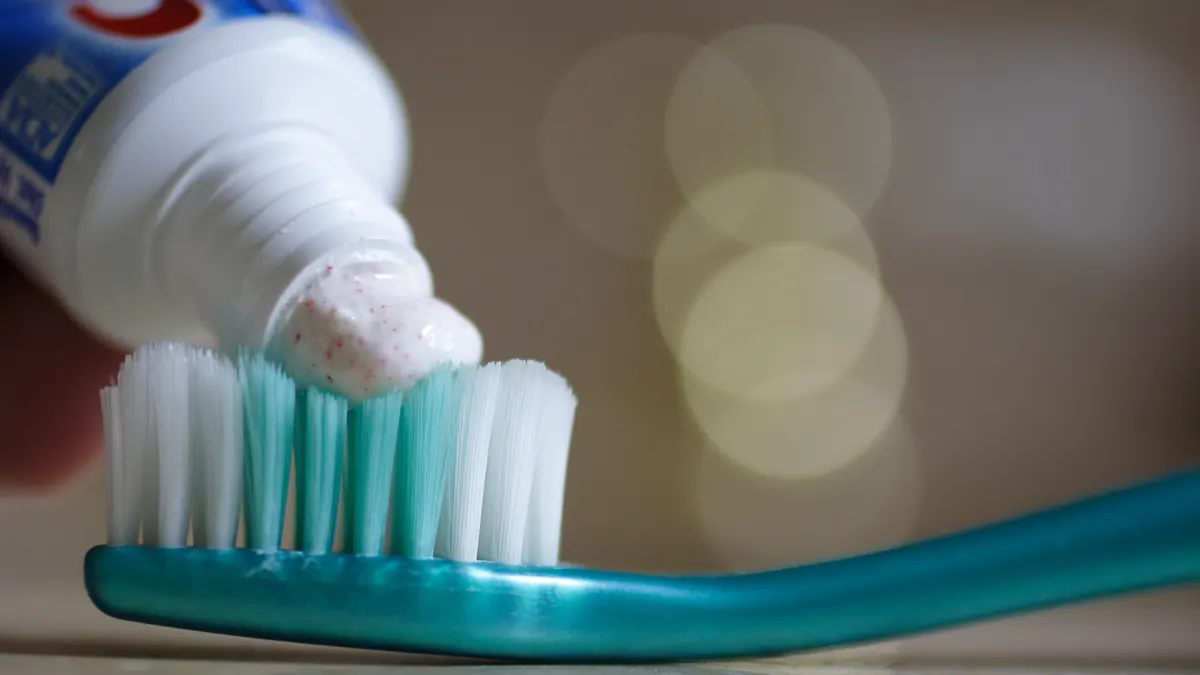
Seeing pink in the sink after brushing is common, and it is easy to ignore. Bleeding gums are usually a sign that the gums are inflamed, most often because plaque has built up along the gum line. The useful news is that this early stage is often reversible with careful cleaning and a dental check. This post explains the usual causes, what to change at home and when to book an appointment.
The short answer
- Gums that bleed when you brush or floss are most often inflamed by plaque, a film of bacteria that builds up on teeth.
- The NHS lists bleeding when you brush your teeth, floss or eat hard foods as a main symptom of gum disease, and advises seeing a dentist if your gums bleed.
- Stopping brushing because of the bleeding usually makes things worse, because the plaque stays in place.
- Persistent bleeding, swelling, bad breath or loose teeth should be checked by a dentist rather than managed alone.
Why gums bleed
Plaque that is not removed irritates the edge of the gum. The gum becomes red, puffy and tender, and it bleeds easily when touched. This early stage is often called gingivitis. If it continues, the problem can move deeper and affect the tissue and bone that hold teeth in place, which is called periodontitis. The NHS says gum disease can lead to bad breath, receding gums, loose teeth and a dental abscess if it is not dealt with.
Other things can contribute:
- Brushing technique. Very hard scrubbing can injure the gum, but most bleeding comes from plaque rather than from gentle, thorough cleaning.
- Starting a new routine. Gums that have been neglected may bleed for a short time when you begin cleaning between the teeth daily. The bleeding should settle as the gums become healthier. If it does not, tell a dentist.
- Smoking. The NHS advises people with gum disease to stop smoking, as part of the early advice a dentist gives.
- Pregnancy and long-term conditions. The NHS highlights regular check-ups for people who are pregnant or who have type 2 diabetes.
- Other causes. Some medicines and health conditions affect bleeding. If you bruise easily or bleed from other places too, speak to a doctor.
What you can do at home
The aim is to remove plaque from every tooth surface, including along the gum line. The NHS advice for preventing gum disease is straightforward:
- Brush with fluoride toothpaste at least twice a day, for about two minutes each time.
- Spit after brushing and do not rinse with water straight away, so that the fluoride stays on the teeth for longer.
- Clean between your teeth every day with floss or interdental brushes.
- Avoid using mouthwash straight after brushing.
- Do not smoke.
A soft or medium toothbrush with a small head is suitable for most adults, according to the NHS. If you are not sure which size of interdental brush to use, a dentist or hygienist can show you. Our post on electric and manual toothbrushes explains how to choose a brush.
When to see a dentist
The NHS says to see a dentist if your gums bleed when you brush your teeth or eat hard foods, if they are painful and swollen, or if you have bad breath. A child with sore or bleeding gums should also be seen.
Ask for an urgent appointment if gum problems come with very sore and swollen gums, teeth that become loose, ulcers or red patches in the mouth, or a lump in the mouth or on the lip. Swelling of the face or neck, or trouble breathing or swallowing, needs emergency care.
What the dentist will do
A dentist will look at your teeth and gums and may measure the spaces between gum and tooth. In the early stages, the NHS says the dentist will usually give advice on cleaning, such as using interdental brushes, suggest stopping smoking if relevant, and may advise a clean by a hygienist. More advanced disease can need a deeper clean under the gums or other treatment, and some people are referred to a specialist. Our guides on gum disease treatment and the dental check-up and cleaning describe what to expect.
You can read about the gum treatment service or look through the dentistry topic for more background.
Questions to ask at the appointment
- Are my gums healthy now, or is there early gum disease?
- Which cleaning aids suit the spaces between my teeth?
- Should I see a hygienist, and how often should I come back?
- Is anything about my medicines or general health relevant to my gums?
Writing down the answers helps you follow the plan at home.
Frequently asked questions
Is it normal for gums to bleed when I floss?
It is common, but it is not a sign of healthy gums. Bleeding usually means inflammation. If it continues after a couple of weeks of gentle, regular cleaning, have a dentist look at it.
Should I stop brushing if my gums bleed?
No. Keep cleaning, but use gentle, thorough strokes along the gum line. Stopping allows more plaque to collect and the gums to stay inflamed.
Can bleeding gums be a sign of something other than gum disease?
Yes, sometimes. Medicines, pregnancy, vitamin deficiency and some blood conditions can play a part. A dentist or doctor can check, especially if you also bruise easily or bleed elsewhere.
Do children get bleeding gums?
They can. The NHS advises seeing a dentist if a child has sore, bleeding gums. Our post on the first dental visit for a child may help you prepare.
General information only
This article is general information, not medical advice. If you have swelling of the face or neck, difficulty breathing or swallowing, or heavy bleeding that does not stop, seek urgent medical care. To ask HealthNaro to help you find a dentist, you can send an inquiry.
If you think you have a medical emergency, contact your local emergency services or go to the nearest emergency department straight away. Do not wait for a reply from a directory listing.
Need help finding a provider?
Tell us what you need and where. We contact you, understand your situation and help you find and choose a suitable clinic. This service is free for patients.
More from the blog
-
Blog post
Choosing a dentist in a new country: ten questions to ask
Moving or living abroad means finding a dentist from scratch. Ten practical questions to ask before a first visit, from registration and language to emergency cover and records.
1 November 2026
-
Blog post
Children's teeth: the first dental visit and daily care
When a child's first dental visit is usually suggested, what happens at it, how to prepare a nervous child and the basics of daily tooth care for babies and young children.
1 November 2026
-
Blog post
Travelling for dental treatment: what to check before you book
Dental treatment abroad can look simple on paper. A balanced list of risks and checks: registration, infection control, communication, follow-up care, travel after procedures and what to put in writing.
1 November 2026