What to bring to a first appointment in another country
A practical checklist for a first doctor visit abroad: records, medicine names, translations, insurance details and questions, plus how to keep your information safe.
- Verfasst von
- HealthNaro Editorial Team
- Veröffentlicht
How this page was made: Drafted by the HealthNaro Editorial Team with AI assistance, checked against reputable health sources, and not yet clinically reviewed. Editorial policy
Noch nicht klinisch geprüft
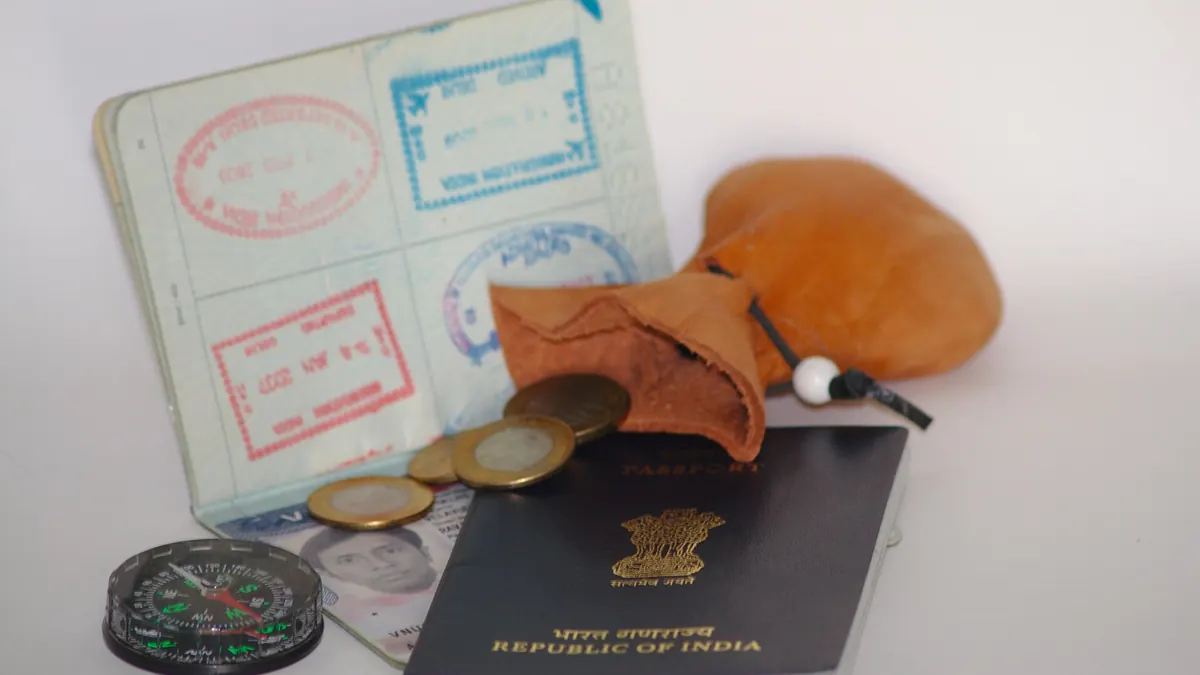
A first appointment with a new doctor in another country is easier when you arrive with the right information. The doctor does not know your history, the local record system may not be able to see your old one, and you may be working in a second language. A short, organised bundle of documents saves time and helps the doctor give care that fits you.
This checklist is general. Ask the clinic what it needs when you book, because requirements vary by country and by practice.
Start with what the clinic asks for
Different places ask for different things at registration. In England, for example, the NHS says you can register with a GP surgery and explains what the surgery may ask for, including ID and address for a child you register and the child's personal health record if you have it. Elsewhere, a clinic may want an insurance card, a passport number or a local identity number. A quick call or email before the visit tells you what to bring.
Your core checklist
Identity and practical details
- Photo ID or your passport, if the clinic asks for it.
- Proof of address, if required.
- Insurance card, policy number and the insurer's contact details, if you are insured.
- A way to pay, if the clinic asks for payment on the day.
- Your phone number and an emergency contact.
A short health summary
Write a one-page summary in the local language, or in English if the clinic works in English. Include:
- long-term conditions and the year they were diagnosed;
- operations and hospital stays, with approximate dates;
- allergies, including reactions to any medicine;
- vaccinations you have had, if you have a record;
- any recent test results that matter for ongoing care;
- family conditions that are relevant, such as heart disease or diabetes.
A one-page summary is often more useful than a thick folder, because the doctor can read it in the first minutes.
Your medicines
Medicine names are a common source of confusion across borders. The same active ingredient can have different brand names in different countries, and spelling differs between languages. Bring:
- the boxes or packaging of what you take, or clear photos of them;
- the generic (active ingredient) name for each, which is printed on most packaging;
- a note of the strength and how often you take it, exactly as prescribed by your own doctor;
- supplements and herbal products, which doctors often need to know about.
Do not change anything about how you take a medicine on your own. Bring the information and let the doctor and pharmacist advise on how local products compare.
Records and results
- Recent test results, such as blood tests. The NHS notes that blood test results can be complicated and that you can ask a healthcare professional to explain them, so bring the results together with a note of why the tests were done.
- Imaging reports, and if possible a disc or digital copy of the images themselves.
- A discharge summary from any recent hospital stay.
- Letters from specialists, especially for long-term conditions.
Digital copies are usually enough. Some health services let you view records and results through an app. The NHS App, for instance, lets people registered with a GP surgery in England manage healthcare services, but access depends on being registered, so do not count on it from abroad.
Translating records
You do not always need a formal translation. Many clinics can work from records in English, French or another widely used language. If the language is different:
- Ask the clinic whether translations are needed and whether they accept your own summary.
- Translate the key points, such as diagnoses, procedures, medicines and allergies, rather than every page.
- Keep the original alongside any translation, so details can be checked.
- For legal or insurance purposes, ask whether a certified translation is needed.
Machine translation can help you prepare, but check medical terms with a person who knows them, because errors in a diagnosis or medicine name matter.
Questions to prepare
Write down three or four things you want to ask, in order of importance. Examples:
- What are the main points of my history that you need to see again?
- What do you need from my previous doctor, and how can I request it?
- How do I book follow-up visits, and how do I reach the clinic between visits?
- Who do I contact out of hours?
Bring a pen and paper or use your phone to note the answers. If you are uneasy in the language, ask whether you can bring a friend or whether an interpreter is available.
Keep your information safe
Medical records are personal. Share them only with the clinic you are seeing. Do not send full records or ID numbers by ordinary email or social media to people who are not part of your care. When you send an inquiry through HealthNaro, our form asks for the minimum and tells you not to include medical history or ID details. You can read our approach in the Privacy Policy.
What to do next
If you are still choosing a clinic, our guide to what to expect at a GP visit walks through a typical consultation, and the general medicine topic lists practitioners and clinics. If you would like help finding a clinic in a particular town, you can send a free, non-medical inquiry.
Frequently asked questions
Do I need my records from my previous doctor?
They help, but they are not always essential. A clear summary of your history, medicines and allergies is often enough to start. The new doctor can request more if needed.
Can I ask my old doctor to send my records?
Usually yes, though rules and timing vary. Ask the previous practice what the process is and whether there is a charge.
What if I do not know the generic name of my medicine?
Bring the packaging or a photo. The active ingredient is normally printed on it, and a pharmacist can help read it.
Should I bring children's records?
Yes, including any vaccination card or personal health record, as these help the doctor see what has been done and what is due.
General information only
This article is general information, not medical advice. If you have an emergency, contact local emergency services rather than waiting for an appointment.
Wenn Sie glauben, einen medizinischen Notfall zu haben, kontaktieren Sie sofort den örtlichen Notdienst oder gehen Sie in die nächste Notaufnahme. Warten Sie nicht auf die Antwort eines Verzeichniseintrags.
Brauchen Sie Hilfe bei der Suche nach einem Anbieter?
Sagen Sie uns, was Sie brauchen und wo. Wir melden uns bei Ihnen, verstehen Ihre Situation und helfen Ihnen, eine geeignete Klinik zu finden und auszuwählen. Dieser Service ist für Patienten kostenlos.
Mehr aus dem Blog
-
Blogbeitrag
How to check a doctor or dentist is registered in any country
A country-neutral method for checking that a doctor or dentist is on an official register: where registers sit, what to search for, what a result does and does not tell you, and what to do when you cannot find one.
1 November 2026
-
Blogbeitrag
Getting a second opinion: when it helps and how to ask
A second opinion is a reasonable request for a significant diagnosis or treatment decision. When it can help, how to ask politely, what records to share and how to weigh differing views.
1 November 2026
-
Blogbeitrag
Public and private healthcare: how the two systems differ and what it means for you
How public, private and mixed health systems differ, what out-of-pocket payment means, and the practical questions to ask when you are choosing where to get care.
1 November 2026