Seeing a general practitioner: what to expect from a GP consultation
What a GP does, how a consultation is structured, how to prepare so you get the most out of a short appointment, and what happens with tests and referrals.
- Rédigé par
- HealthNaro Editorial Team
- Publié
How this page was made: Drafted by the HealthNaro Editorial Team with AI assistance, checked against reputable health sources, and not yet clinically reviewed. Editorial policy
Pas encore relu cliniquement
What it is
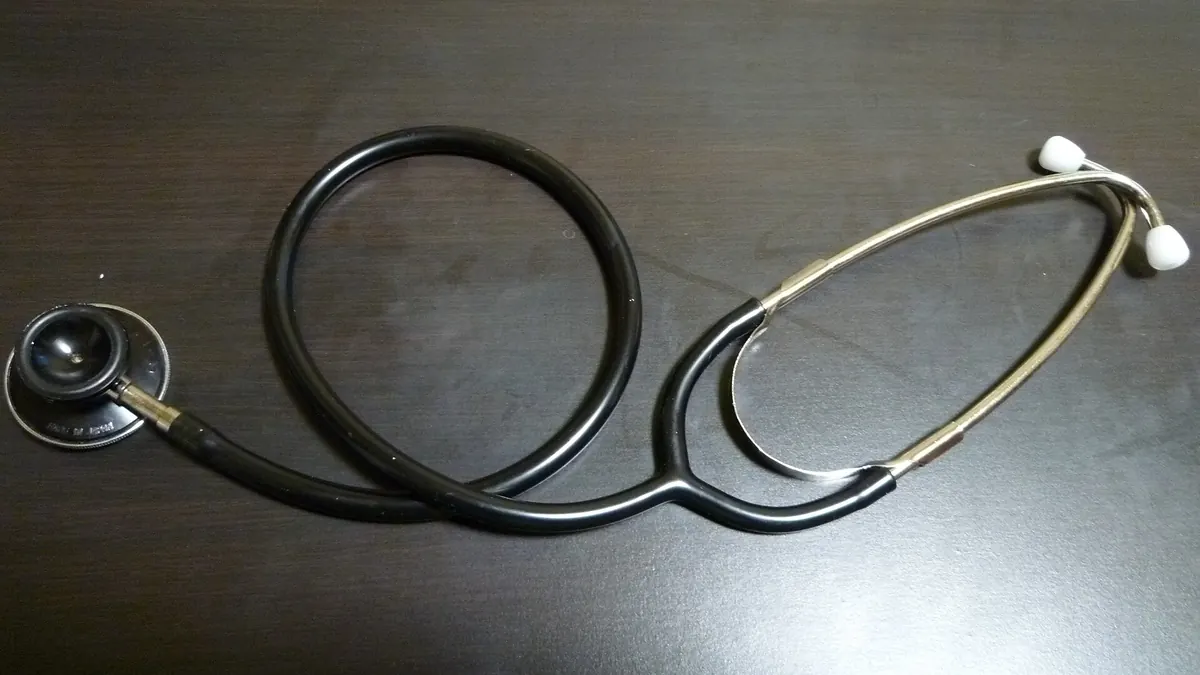
A general practitioner (GP), also called a family doctor or general doctor, is usually the first clinician you see for a new symptom, an ongoing condition or a question about your health. GPs are trained across the whole range of medicine for people of all ages. They diagnose and treat common problems, manage long-term conditions, prescribe medicines, order tests, provide preventive care such as vaccinations, and refer to specialists when a problem needs expertise or equipment they do not have. The NHS describes GP services as the route to most other services, including hospital referrals and test results.
A GP consultation is a conversation first and an examination second. Much of the diagnostic work happens through the questions the doctor asks.
Who it is for and when it is recommended
A GP visit is appropriate for new symptoms that are not an emergency, for symptoms that have lasted longer than you expected, for reviews of long-term conditions such as high blood pressure, diabetes or asthma, for repeat prescriptions that need reassessing, for mental health concerns, for contraception and sexual health, for travel advice and vaccinations, and for a second opinion before you see a specialist. Many conditions have no early symptoms: the World Health Organization's hypertension fact sheet (25 September 2025) estimates that around 44 percent of adults with hypertension are unaware they have it, and its diabetes fact sheet (14 November 2024) notes that type 2 diabetes symptoms can be mild and may take many years to be noticed. A GP visit is often where these are found.
Call emergency services instead for chest pain, signs of stroke, severe breathing difficulty, heavy bleeding, a severe allergic reaction, or a sudden severe headache or confusion.
What happens at the appointment
A standard consultation in many systems is booked for ten to fifteen minutes, though this varies by country and clinic. A typical structure:
- Your account. The GP asks what has brought you in, when it started, what it feels like, what makes it better or worse, and how it affects daily life. They will ask about your medical history, medicines, allergies, family history, smoking, alcohol and sometimes work and home circumstances.
- Examination. This depends on the problem: listening to the chest, feeling the abdomen, looking in the ears or throat, checking blood pressure, pulse, temperature or weight, examining a joint or skin.
- Explanation. The GP tells you what they think is going on, or what the possibilities are, and what they recommend: self-care, a prescription, tests, watchful waiting with a review date, or referral.
- Safety-netting. You should be told what to watch for and when to come back or seek urgent help.
If tests are ordered, the NHS blood tests page (reviewed 2 November 2023) notes that results can take days to weeks and that some practices only contact you if something needs discussing, so ask how and when you will hear.
How to prepare
Appointments are short, so preparation pays. The United States Agency for Healthcare Research and Quality's Questions Are the Answer campaign recommends writing down your questions in advance and bringing a list of medicines. Practical steps:
- Write a one-line summary of your main concern and the two or three things you most want answered.
- Note when symptoms started, how often they occur and anything you have already tried.
- Bring every medicine, supplement and herbal product you take, or a list with doses.
- Bring previous test results, letters or scans if you have them.
- If you have several problems, say so at the start so the GP can plan the time or book a longer appointment.
- Consider bringing someone to help you remember what was said.
Afterwards and recovery
There is no recovery from a consultation itself, but the follow-through matters. Collect any prescription and read how to take it. Book tests promptly and find out how results will reach you. If you were given a review date, keep it even if you feel better, because the review is where treatment is adjusted. If you were referred, ask how long the wait is likely to be and what to do if your symptoms change in the meantime. Keep your own record of what was said and what was agreed.
Risks and limitations (sourced)
A GP consultation carries no physical risk beyond the examination or tests ordered, which are explained at the time. The limitations are real, though. Short appointments mean not every problem can be covered in one visit. A diagnosis is often provisional and may change as tests return or symptoms evolve; this is why safety-netting advice matters. Blood pressure measured once in a clinic can be misleading, and the WHO hypertension fact sheet stresses regular checking rather than a single reading. Tests have limits too: a normal result does not always rule out a condition, and some findings need repeating. If you feel unheard, it is reasonable to ask for a longer appointment, a second opinion or a different doctor.
What affects the cost
Fees vary by country and clinic, and in many systems GP care is free at the point of use or heavily subsidised. Where fees apply, factors include:
- Length of appointment (standard versus extended).
- Whether you see a doctor or a nurse or clinical officer.
- Tests, procedures, vaccinations and prescriptions, which are usually charged separately.
- Home visits, out-of-hours or weekend appointments.
- Private versus public or scheme-registered clinics.
- Whether a national scheme or insurance covers the visit and requires a registered provider.
Ask the clinic what the consultation fee covers before you attend. HealthNaro does not publish prices unless they come from a named, dated source.
Questions to ask the provider
- What do you think is causing this, and what else could it be?
- Do I need any tests, and what will each one tell us?
- What are my options, including waiting and watching?
- What are the benefits and side effects of this medicine, and how long should I take it?
- What should I watch for, and when should I come back or seek urgent care?
- How and when will I get my results?
- Is there anything I can do myself to improve this?
How to find and check a provider
HealthNaro lists medical centres, hospitals and general practitioners with a verification label on every listing. Public listing means the details came from public sources and have not yet been checked. Contact verified means the provider has confirmed their phone number and email address. Reviewed by HealthNaro means our team has looked over the listing's details. Credentials verified means we have seen a licence or registration document. A label describes what has been checked; it is not a recommendation or a ranking, and HealthNaro does not endorse any provider.
Check the doctor's registration with your national medical regulator and whether the clinic is licensed. You can browse providers under General Practice. If you would like help finding a suitable clinic, our consulting service is free: send a request through the inquiry form and we will come back to you with options. You choose whom to contact.
This guide is general information, not medical advice. Speak to a registered doctor about your own situation.
Si vous pensez être en situation d'urgence médicale, contactez immédiatement les services d'urgence locaux ou rendez-vous aux urgences les plus proches. N'attendez pas la réponse d'une fiche d'annuaire.
Besoin d'aide pour trouver general practice ?
Dites-nous ce dont vous avez besoin et où. Nous vous contactons, comprenons votre situation et vous aidons à trouver et à choisir une clinique adaptée. Ce service est gratuit pour les patients.
Guides associés
-
Guide
An adult health check-up: what is measured and what the results mean
What a preventive health check usually includes, who it is aimed at, how to prepare for fasting tests, how to read a risk score and what a check cannot tell you.
31 octobre 2026
-
Guide
How to check that a doctor or dentist is registered in Kenya
Use the KMPDC SMS line 20547 or the online register to confirm a doctor, dentist or clinic is licensed. Step-by-step, with what the results mean.
21 octobre 2026
-
Guide
What SHA covers for dental and optical care in Kenya
The Social Health Authority's dental and optical benefits explained: annual limits, tariffs, who qualifies, how to register, and what it does not cover.
21 octobre 2026