How to read your health check-up results
What a reference range is, why a result slightly outside it is not a diagnosis, how blood pressure and cholesterol results are used, and how to prepare questions for the person who explains them.
- Escrito por
- HealthNaro Editorial Team
- Publicado
How this page was made: Drafted by the HealthNaro Editorial Team with AI assistance, checked against reputable health sources, and not yet clinically reviewed. Editorial policy
Aún sin revisión clínica
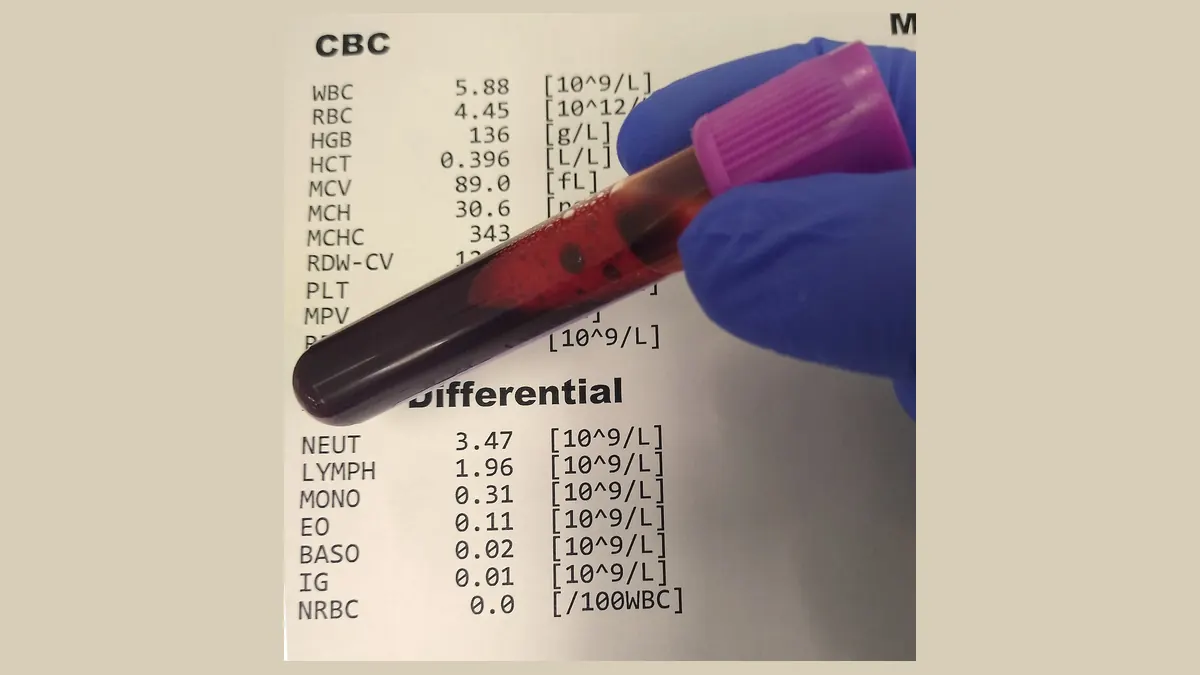
A page of numbers from a laboratory can be worrying, particularly when some of them are marked or flagged. The numbers are not a verdict. They are measurements that a clinician reads alongside your symptoms, history and other results. This post explains what the main parts of a result mean, how to prepare to discuss them and what questions to ask.
It does not interpret any individual result or give target numbers, because the correct interpretation depends on who you are and on the laboratory that did the test.
Why tests are done in the first place
The NHS says a blood test may be done to check your general health, to find out if symptoms are caused by certain conditions, to find out whether you are more likely to get a condition, or to find out how well a condition is being treated. The reason matters, because the same number can mean different things in different situations.
A check-up such as the NHS Health Check, which is offered in England to people aged 40 to 74 without certain existing conditions, uses measurements to estimate cardiovascular risk. According to the NHS, it usually includes measuring height, weight and waist, a blood pressure test, a cholesterol test, and possibly a blood sugar test, and it asks about family history, smoking, alcohol and activity. The output is a risk score, not a diagnosis.
What is on a laboratory report
Most reports list:
- The test name. For example, a lipid profile, a blood glucose measurement or a full blood count.
- Your result. The number or finding, with its unit.
- The unit. Different laboratories and countries can use different units for the same test, so compare like with like.
- The reference range. The range of values found in a healthy reference group, as defined by the laboratory.
- A flag. A marker such as high or low when a value falls outside the range.
What a reference range means
A reference range describes where most results from a group of reference individuals fall. It is a statistical guide and not a pass mark. A result slightly outside the range can be normal for you, and a result inside the range can still matter in context. Ranges also vary with age, sex, pregnancy and sometimes the method the laboratory uses. For that reason, always use the range printed on your own report, not a figure from a website or a friend's report.
Why one number is not a diagnosis
Test results can be affected by things unrelated to disease, such as whether you fasted, how recently you exercised, a recent illness, certain medicines and normal day-to-day variation. Clinicians often repeat a test or order a different one before drawing a conclusion. The NHS notes that blood test results can be complicated and that you should ask a healthcare professional if you have questions or do not understand your results.
Sometimes a result leads to no action beyond a repeat test in the future. At other times it leads to more tests or a change in how a condition is managed. Either way, the decision belongs to you and your clinician.
Blood pressure and cholesterol in a check-up
Two measurements often appear in a general check-up.
Blood pressure. Readings have two numbers: the higher is systolic pressure, when the heart pumps, and the lower is diastolic pressure, when the heart relaxes. The NHS says blood pressure is usually considered high if it is 140/90 or higher when checked by a healthcare professional, or 135/85 or higher when checked at home. It also notes that high blood pressure does not usually have symptoms, so measurement is the only way to know. Our post on how to measure blood pressure at home explains the method.
Cholesterol. The NHS describes high cholesterol as too much of a fatty substance in the blood, which does not usually cause symptoms and can only be found out with a blood test. It explains that you are more likely to have it if you are over 50, if it runs in your family, and depending on lifestyle factors. It also notes that cholesterol can be influenced by food, activity and sometimes medicine. How your cholesterol figures compare with your own risk is a conversation to have with a clinician, because the aim depends on your overall risk.
How to get your results explained
- Ask who will explain your results and when. The NHS says the GP, nurse or specialist should talk to you about your results and what happens next, although some practices do not make contact unless there is something to discuss. If you have not heard after a few weeks, it advises contacting the surgery.
- Ask for a copy of the report, including the units and ranges. Some services let you view results online.
- Write your questions down before the appointment.
- Ask what the result means for you, not only whether it is normal.
Questions that help
- What was this test looking for, and what did it find?
- Is the result inside or outside the range for someone of my age and sex?
- Could anything I did before the test have affected it, such as eating or exercise?
- Do I need a repeat test, and when?
- What changes, if any, should I think about, and who can advise me?
- When should I contact you sooner?
Keeping your own record
Keep a simple file of your results with dates. Over time, a trend across several tests tells a clinician more than one isolated number. If you move country or change doctor, a record of your results is useful at a first appointment, as we describe in what to bring to a first appointment in another country.
Next steps
Our guides to blood tests and the adult health check-up describe what happens on the day. You can find laboratories and clinics under the diagnostics topic, and see which services are offered under blood tests.
Frequently asked questions
What does it mean if my result is flagged?
It means a value is outside the laboratory's reference range. That is a prompt for a clinician to look more closely. It is not a diagnosis.
Can I compare my result with an online chart?
Use the range printed on your own report. Ranges and units differ between laboratories, so an online chart may not match your test.
How long do results take?
The NHS says you may get blood test results after a few days and usually within a few weeks. Times vary by service.
Should I worry about a result while I wait for an appointment?
Waiting for results is stressful. If you feel unwell or have symptoms that concern you, contact your doctor or local urgent care service rather than waiting.
General information only
This article is general information, not medical advice, and it cannot interpret your personal results. Speak to a qualified clinician about your own test. If you have chest pain, severe breathlessness or sudden weakness, contact emergency services.
Si cree que tiene una emergencia médica, contacte de inmediato con los servicios de emergencia locales o acuda al servicio de urgencias más cercano. No espere la respuesta de una ficha de directorio.
¿Necesita ayuda para encontrar un proveedor?
Díganos qué necesita y dónde. Nos ponemos en contacto con usted, entendemos su situación y le ayudamos a encontrar y elegir una clínica adecuada. Este servicio es gratuito para los pacientes.
Más del blog
-
Entrada de blog
Eczema or psoriasis: how to tell the difference
How atopic eczema and psoriasis typically look, where they appear, when they start and when to see a doctor for either.
3 noviembre 2026
-
Entrada de blog
Digital eye strain: why screens tire your eyes and what helps
What causes tired, dry or blurry eyes after screen use, practical steps from the American Academy of Ophthalmology, and when to book an eye test.
3 noviembre 2026
-
Entrada de blog
Bleeding gums when brushing: causes and when to see a dentist
Why gums bleed when you brush or floss, how to clean them gently, and the signs that mean a dentist should take a look.
3 noviembre 2026