Telemedicine or an in-person visit: how to decide
When a video or phone consultation can work, when you need to be examined in person, and how to prepare for either. A neutral decision guide with no urgency language and no promises.
- Escrito por
- HealthNaro Editorial Team
- Publicado
How this page was made: Drafted by the HealthNaro Editorial Team with AI assistance, checked against reputable health sources, and not yet clinically reviewed. Editorial policy
Ainda sem revisão clínica
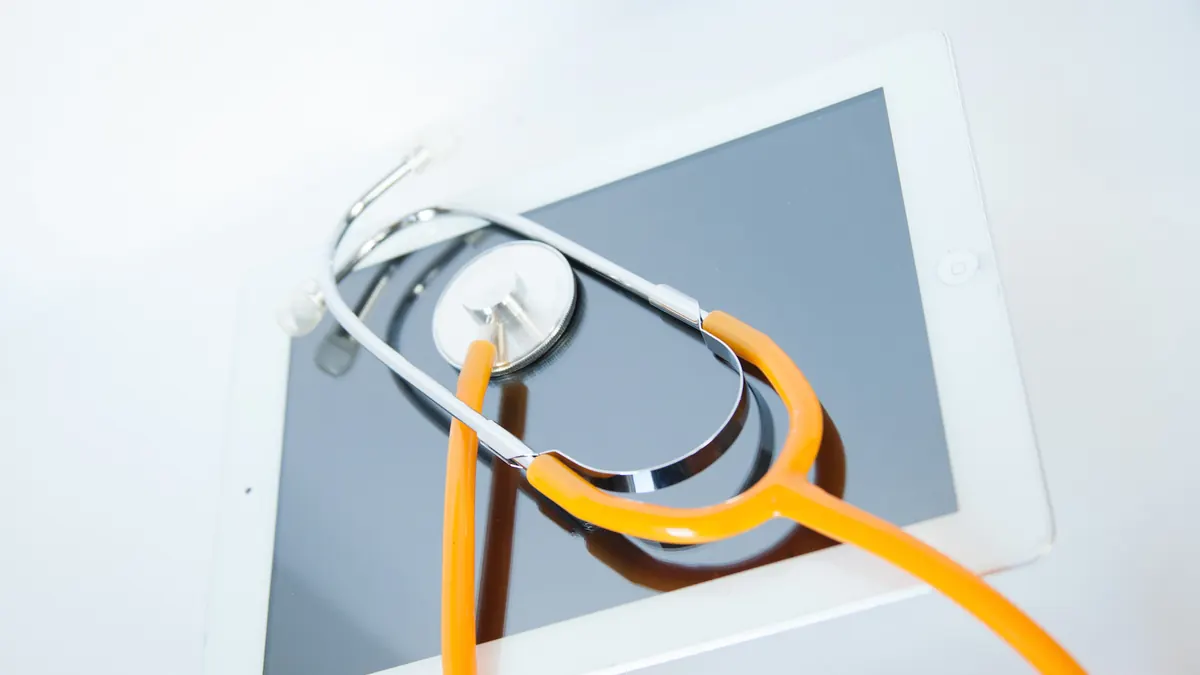
Remote consultations by phone, video or online form are now a routine part of healthcare in many places. They save travel and can be easier to fit around work and care duties. They are also not suitable for every problem. This post sets out how to think about the choice, and how to get the most from whichever you pick.
What counts as telemedicine
Telemedicine, or remote consultation, is any healthcare contact that does not happen in the same room. It can be a phone call, a video call, a secure message or an online form. Details vary by country: some health services route all first contact through an online form, others offer a video booking, and some private services run only by app.
The NHS in England, for example, explains that you can contact your GP surgery with an online form on its website to describe your symptoms, ask a question or follow up on something. It says the surgery uses what you submit to make sure you get the right help, and that it will tell you within one working day what will happen next, which may be an appointment, a phone call, a message, or advice to go to a pharmacy or another service. The form is therefore often a way into care, not a replacement for it.
When a remote consultation can work well
Remote appointments often suit situations where the clinician mainly needs to hear from you or see something that a camera can show:
- a conversation about test results that have already been done;
- follow-up of a condition that is stable and where the information needed is already in your record;
- a discussion of symptoms to decide what to do next, including whether you need to be examined;
- advice on managing a long-term condition between visits;
- a mental health conversation, where many people find talking from home easier;
- administrative matters such as repeat paperwork or referral discussions.
When an in-person visit is usually better
Some problems need hands-on examination, tests or equipment:
- anything that needs a physical examination, such as pain in a joint or the abdomen, lumps, or a skin change that needs a close look;
- measurements such as blood pressure, weight, or an ear examination;
- procedures, samples and imaging;
- children who are unwell, especially young babies, since examination is central to assessing them;
- symptoms that are new, severe, worsening quickly or that do not fit a clear pattern.
Hearing is an example. The NHS describes common signs of hearing loss and says to see a GP if your hearing is getting gradually worse or has not returned after treatment for an ear infection or earwax. Looking in the ear and testing hearing happen in person, so a video call can start the conversation but not finish it. Our post on signs of hearing loss goes into this.
Emergencies are different
Neither remote nor routine in-person appointments are the right route for an emergency. If someone has chest pain, difficulty breathing, signs of a stroke, severe bleeding or loss of consciousness, contact emergency services immediately. For urgent but not life-threatening problems, a local urgent care or telephone advice line may exist. In England the NHS explains when to use NHS 111, and similar services exist in other countries. Find out what applies where you live before you need it.
A simple way to decide
Ask yourself four questions:
- Does the clinician need to examine, measure or test me? If yes, plan an in-person visit.
- Is this new, severe or changing quickly? If yes, do not wait for a remote slot. Seek in-person or urgent care.
- Is this mainly a conversation, a follow-up or a discussion of results? If yes, a remote visit may do.
- Do I have what I need to take part? A private space, a stable connection, a working camera and any readings the clinician asks for.
If you are unsure, start with the remote option and say plainly that you may need to be seen. A good consultation includes a decision about whether to come in.
How to prepare for a remote consultation
- Check the time zone and the platform before the call. If you are abroad, check that the clinician is allowed to treat patients in the country you are in.
- Write a short list of symptoms, when they started and what changes them.
- Have your medicines to hand, and any readings you have taken.
- Find a quiet, well-lit place. For skin or eye matters, natural light helps.
- Ask what will happen if the connection drops, and how to reach the clinic afterwards.
- Ask how your records and any recordings are stored, and who can see them.
How to prepare for an in-person visit
Our guide to what to expect at a GP visit covers a typical consultation. If you are new to an area or country, what to bring to a first appointment has a checklist. To find clinics, browse the general medicine topic or the directory of doctors.
Privacy and who you are talking to
Check that the service is run by registered professionals. Our post on how to verify doctor registration works for remote services as well as clinics. Be cautious about sending personal medical details by ordinary email or messaging apps. HealthNaro is a directory, not a provider of consultations, and nothing here replaces the judgement of a clinician who knows you.
Frequently asked questions
Can a remote consultation lead to a prescription?
That depends on the country, the service and the clinician's judgement. Ask the service what it can and cannot do before you book.
Are online consultations cheaper?
Sometimes, but not always. Ask what the fee covers and whether you would still need an in-person visit afterwards.
Can I switch to an in-person visit?
Yes. Clinicians often ask patients to come in after a remote conversation. You can also ask for this yourself.
Is a video call suitable for a child?
For a child who is unwell, in-person examination is often more suitable, especially for young babies. Ask the clinic or a local advice line which route fits.
General information only
This article is general information, not medical advice. If you or someone with you has an emergency, call local emergency services now.
Se pensa ter uma emergência médica, contacte de imediato os serviços de emergência locais ou dirija-se à urgência mais próxima. Não espere pela resposta de uma ficha de diretório.
Precisa de ajuda para encontrar um prestador?
Diga-nos o que precisa e onde. Entramos em contacto consigo, percebemos a sua situação e ajudamo-lo a encontrar e escolher uma clínica adequada. Este serviço é gratuito para pacientes.
Mais do blogue
-
Artigo de blogue
How to check a doctor or dentist is registered in any country
A country-neutral method for checking that a doctor or dentist is on an official register: where registers sit, what to search for, what a result does and does not tell you, and what to do when you cannot find one.
1 novembro 2026
-
Artigo de blogue
Getting a second opinion: when it helps and how to ask
A second opinion is a reasonable request for a significant diagnosis or treatment decision. When it can help, how to ask politely, what records to share and how to weigh differing views.
1 novembro 2026
-
Artigo de blogue
What to bring to a first appointment in another country
A practical checklist for a first doctor visit abroad: records, medicine names, translations, insurance details and questions, plus how to keep your information safe.
1 novembro 2026