Hearing loss: early signs and when to have a hearing test
The everyday signs that hearing may be changing, how it differs in children and adults, which symptoms need urgent attention, and what a hearing test involves.
- Escrito por
- HealthNaro Editorial Team
- Publicado
How this page was made: Drafted by the HealthNaro Editorial Team with AI assistance, checked against reputable health sources, and not yet clinically reviewed. Editorial policy
Ainda sem revisão clínica
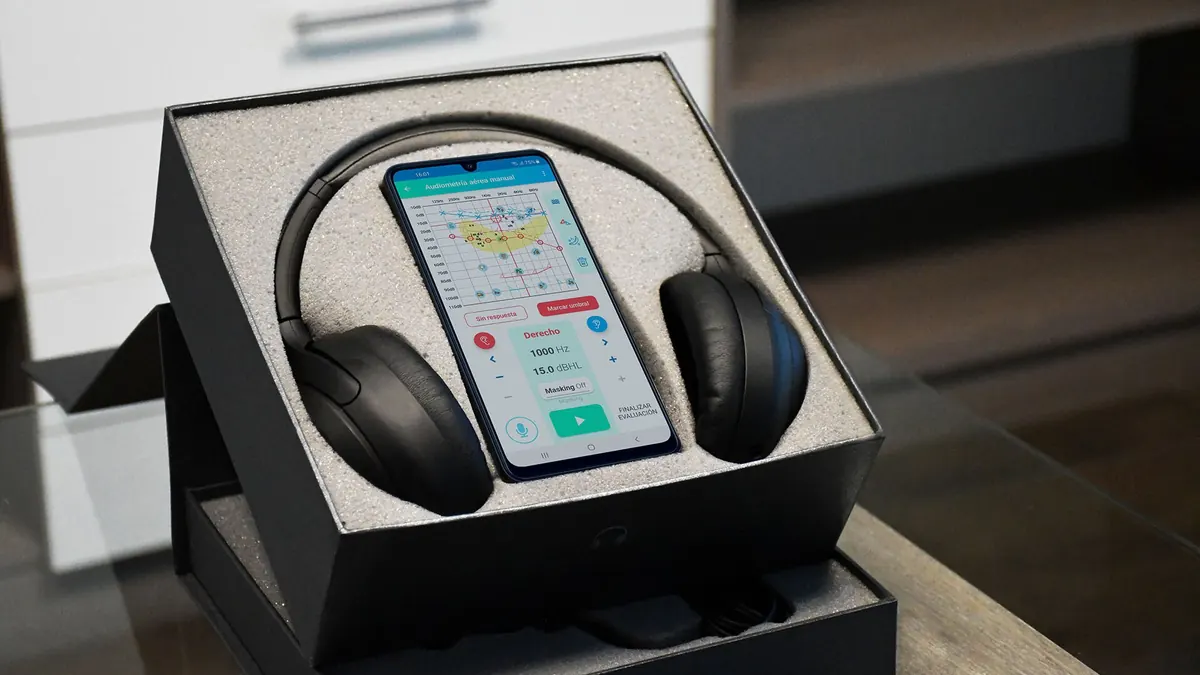
Hearing often changes slowly. People adapt without noticing: they turn the television up, avoid noisy restaurants or ask others to repeat themselves. Sometimes a friend or family member notices before you do. This post describes the common early signs, the situations that need urgent care and what happens at a hearing test.
How common hearing loss is
The World Health Organization (WHO) reports in its deafness and hearing loss fact sheet, updated 3 March 2026, that over 5% of the world's population, or 430 million people, need rehabilitation for disabling hearing loss, including 34 million children. It projects that by 2050 nearly 2.5 billion people will have some degree of hearing loss, and over 700 million will need rehabilitation. WHO says the prevalence increases with age: among those older than 60, over 25% are affected by disabling hearing loss. It also reports that nearly 80% of people with disabling hearing loss live in low- and middle-income countries.
Disabling hearing loss, in WHO's definition, is hearing loss greater than 35 decibels in the better hearing ear. You do not need to meet that definition to benefit from a check. Mild changes can still make life harder.
Early signs in adults
The NHS lists common signs of hearing loss:
- difficulty hearing other people clearly and misunderstanding what they say, especially in noisy places;
- needing to ask people to repeat themselves;
- listening to music or watching television with the volume higher than other people need;
- difficulty hearing on the phone;
- finding it hard to keep up with a conversation;
- feeling tired or stressed from having to concentrate while listening.
The NHS adds that it is not always easy to tell if you are losing your hearing, and that someone else may notice before you do.
Signs in babies and children
Hearing loss can affect a child's speech development and progress at school, according to the NHS, and it can be harder to spot in babies. Things parents and teachers sometimes notice include:
- a baby who does not react to sudden loud sounds or to a familiar voice;
- a child who does not respond when called, or who often says "what?";
- delayed or unclear speech;
- turning the television up, or sitting very close to it;
- difficulty following instructions in a noisy classroom;
- ear pain, discharge, or repeated ear infections.
The NHS refers parents to a checklist for babies on GOV.UK. Many countries run a newborn hearing screening programme, and the details differ. Ask your midwife, paediatrician or local health service what applies. WHO reports that around 95.1 million children aged 5 to 19 years live with hearing loss worldwide. Early checks matter because language and learning develop quickly in childhood.
The NHS also describes glue ear, a build-up of fluid in the middle ear that can reduce hearing in children. If you suspect it, see a doctor for assessment rather than treating it yourself.
Possible causes
Many different things can reduce hearing. The NHS notes that a gradual loss in both ears may be caused by ageing or damage from loud noise over many years, difficulty hearing in one ear with itchiness may be caused by earwax, and an ear infection can come with earache, discharge or a high temperature. It says not to self-diagnose and to see a GP for advice, since some causes are easily treated.
WHO lists unsafe listening practices as a risk, noting that over 1 billion young adults are at risk of avoidable hearing loss from this. Sensible habits include keeping headphone volume moderate, taking breaks and using hearing protection in noisy places.
When to seek urgent care
The NHS advises asking for an urgent GP appointment or calling its 111 service if you have sudden hearing loss in one or both ears, or if your hearing has been getting worse over the last few days or weeks. Sudden hearing loss with dizziness, a spinning sensation or ringing in the ears also needs prompt assessment. Elsewhere, contact your local urgent care service. Do not wait for a routine appointment.
When to book a routine hearing test
Consider a hearing test if:
- you recognise several of the signs above;
- others tell you that you do not seem to hear them;
- your hearing is gradually getting worse;
- you have had treatment for an ear infection or earwax and your hearing has not recovered. The NHS says to see a GP in this situation;
- you work in a noisy job or have long exposure to loud sound;
- you are over 60, when hearing loss becomes more common;
- your child is slow to speak or seems not to hear.
The NHS says you can sometimes get a free hearing test at some pharmacies and opticians, although this varies. In other countries, hearing tests are done by audiologists, ear, nose and throat doctors or hearing aid providers.
What a hearing test involves
Our hearing test guide describes the stages in detail. In brief, a clinician looks in the ear, asks about your history and plays tones or words through headphones, asking you to respond. The result is plotted on a chart showing the quietest sounds you can hear at different pitches. You can ask for the results to be explained in plain language and for a copy.
If hearing loss is found, the next step depends on the cause and degree. It may be treating a blockage or infection, monitoring, hearing aids or referral to a specialist. Your clinician will advise.
Finding a service
For adults, an audiologist or hearing clinic can test and advise. For ear symptoms such as pain, discharge or dizziness, see an ear, nose and throat doctor or general doctor first. Our ENT consultation guide explains what that visit is like, and you can look for clinics offering a hearing test. Browse the ear, nose and throat topic and the audiology specialty. Check the professional's registration; our post on how to verify doctor registration explains how. For help finding a clinic, send a free, non-medical inquiry.
Frequently asked questions
Can hearing loss happen at any age?
Yes. WHO figures include children, and hearing loss becomes more common with age.
Is earwax the cause of my hearing loss?
It can be, according to the NHS, but you should not assume. Have your ears and hearing assessed.
Do hearing tests hurt?
A hearing test usually involves headphones and responding to sounds, and is not painful. Tell the clinician if you feel any discomfort.
Can I test my hearing at home?
Online and app-based screening can raise a question, but they do not replace a test by a trained professional in suitable conditions.
General information only
This article is general information, not medical advice. If hearing loss comes on suddenly, or with dizziness, severe earache or facial weakness, seek urgent medical care.
Se pensa ter uma emergência médica, contacte de imediato os serviços de emergência locais ou dirija-se à urgência mais próxima. Não espere pela resposta de uma ficha de diretório.
Precisa de ajuda para encontrar audiology?
Diga-nos o que precisa e onde. Entramos em contacto consigo, percebemos a sua situação e ajudamo-lo a encontrar e escolher uma clínica adequada. Este serviço é gratuito para pacientes.
Mais do blogue
-
Artigo de blogue
Eczema or psoriasis: how to tell the difference
How atopic eczema and psoriasis typically look, where they appear, when they start and when to see a doctor for either.
3 novembro 2026
-
Artigo de blogue
Digital eye strain: why screens tire your eyes and what helps
What causes tired, dry or blurry eyes after screen use, practical steps from the American Academy of Ophthalmology, and when to book an eye test.
3 novembro 2026
-
Artigo de blogue
Bleeding gums when brushing: causes and when to see a dentist
Why gums bleed when you brush or floss, how to clean them gently, and the signs that mean a dentist should take a look.
3 novembro 2026