Children's teeth: the first dental visit and daily care
When a child's first dental visit is usually suggested, what happens at it, how to prepare a nervous child and the basics of daily tooth care for babies and young children.
- Escrito por
- HealthNaro Editorial Team
- Publicado
How this page was made: Drafted by the HealthNaro Editorial Team with AI assistance, checked against reputable health sources, and not yet clinically reviewed. Editorial policy
Aún sin revisión clínica
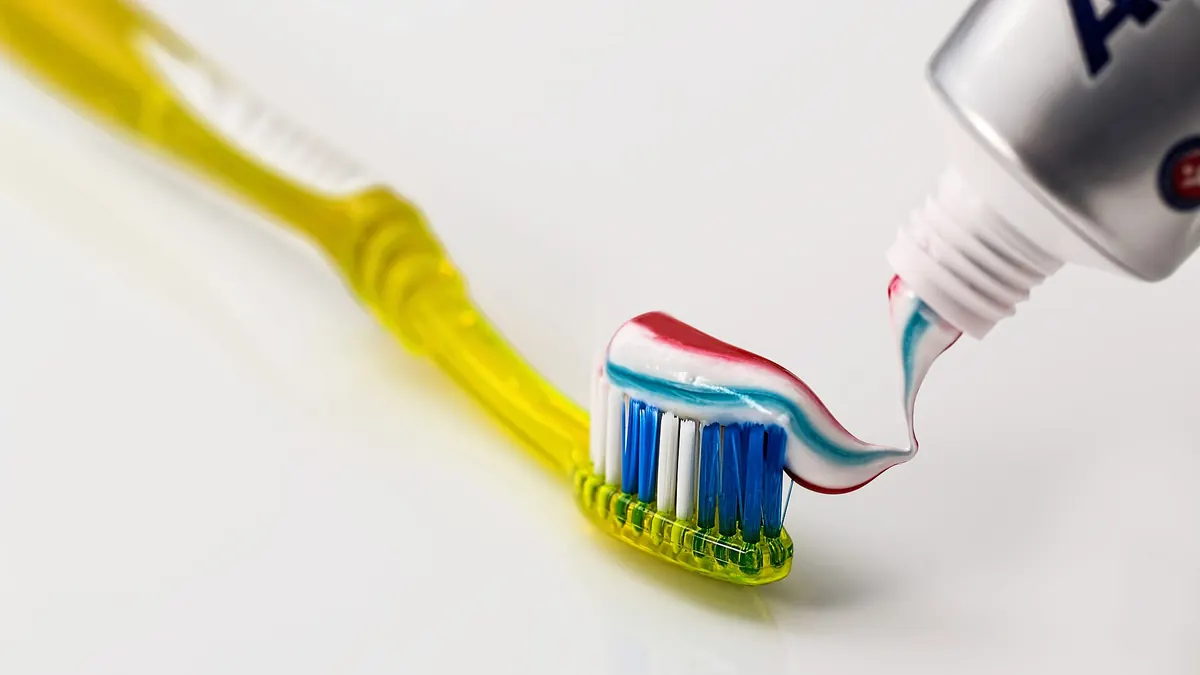
Many parents are unsure when a child should first see a dentist, what the visit involves and how much they should be doing at home. The advice from dental bodies is fairly consistent: start early, keep visits routine and make daily care a habit. This post summarises it for parents and carers, with the reminder that your child's own dentist can tailor advice to your child.
When to book the first visit
The American Dental Association's MouthHealthy site advises scheduling a child's first dental visit anytime after the first teeth break through, and no later than the first birthday. It describes this as a "well-baby checkup" for the teeth. The same page notes that babies are born with all 20 primary teeth already in the jaws, that the first teeth usually appear around six months of age, and that most primary teeth have appeared by about age three.
Other countries and professional bodies give slightly different timings, and some health services invite children for dental checks on a schedule. Ask your local health service or a dentist what applies where you live. The main point is that a first visit before problems arise is easier than one when a child is in pain.
Why baby teeth matter
It is tempting to think baby teeth do not matter because they fall out. The ADA explains that primary teeth help children chew and speak clearly, and that they help hold space for adult teeth to come through correctly. It also notes that baby teeth lost to cavities can threaten the health of adult teeth.
The World Health Organization (WHO) reports in its oral health fact sheet, updated 17 March 2025, that oral diseases, while largely preventable, affect nearly 3.7 billion people, and that most oral health conditions are largely preventable and can be treated in their early stages. It lists risk factors including sugar consumption and poor hygiene, and describes inadequate exposure to fluoride as one reason oral disease continues to rise globally. For parents, the useful point is that decay is mostly preventable with daily habits.
What happens at a first visit
A first visit is usually short and gentle. A dentist may:
- ask about feeding habits, thumb or dummy use and any concerns;
- look at the teeth, gums, jaw and bite, often with the child sitting on a parent's lap;
- gently clean the teeth;
- discuss brushing, toothpaste and diet;
- discuss whether any further steps are useful, such as fluoride varnish or sealants for back teeth when they come through. The ADA notes that dentists may suggest these and invites parents to ask whether they suit their child.
X-rays are not routine at a first visit for most very young children. They are used when a dentist has a reason to take them. Our guide to the children's dental check-up explains a typical appointment in more detail, and the paediatric dental check-up service page lists clinics that offer it.
Preparing your child
- Use simple, positive words. Avoid describing things as scary, painful or something that "might hurt".
- Read a picture book or play a game about a visit beforehand.
- Choose a time of day when your child is rested and fed.
- Let your child bring a comfort toy.
- Tell the clinic about any worry, medical condition or additional need before the visit, so they can plan time and approach.
- Stay calm. Children pick up on parents' anxiety.
Daily care basics
Before teeth appear
The ADA advises gently wiping a baby's gums with a damp cloth or gauze after meals, even before teeth come through.
Once teeth appear
The ADA says to start brushing as soon as baby teeth appear, twice a day, with a small soft brush and a small amount of fluoride toothpaste, about the size of a grain of rice. The NHS gives similar advice for England: children under three should use just a smear of toothpaste, and children aged three to six a pea-sized blob. It also says children should not lick or eat toothpaste from the tube, and that children of all ages can use family toothpaste as long as it contains the right concentration of fluoride, checking the packaging for how much each brand contains.
Because amounts and strengths differ between countries and brands, follow the guidance of your child's dentist or health service for the exact product and quantity.
Helping children learn
The ADA suggests that between ages three and six children can learn to brush and floss, with adult supervision to make sure they reach all surfaces. The NHS says to brush for about two minutes, twice a day, including just before bed, and to clean every surface of every tooth. Children usually need an adult to help or check their brushing for several years.
Food and drink
Cavity-causing bacteria feed on sugar. The ADA advises watching the diet, and giving plain water as the main drink. The WHO fact sheet lists sugar consumption as a key risk factor. Limiting sugary foods and drinks, particularly between meals and at bedtime, is a sensible habit to build.
Teething and dummies
Teething can make babies fussy. The ADA suggests gently rubbing the gums with a clean finger or giving a clean solid rubber teether. If your baby has a fever, rash or diarrhoea, contact a doctor, because these are not simply caused by teething.
Finding a dentist for your child
Ask whether a dentist is comfortable with young children and how they handle nervous patients. You can browse paediatric dentistry in our directory, or read about oral health worldwide for more context. If you would like help finding a clinic, send a free, non-medical inquiry.
Frequently asked questions
Does my child need a dentist if they have no teeth yet?
A first visit is advised once teeth appear, and by the first birthday at the latest, according to the ADA. Before teeth appear, you can wipe the gums with a damp cloth after meals.
Is fluoride toothpaste safe for toddlers?
Dental bodies including the ADA and NHS advise fluoride toothpaste for young children in small, age-appropriate amounts. Your dentist can advise on the right product for your area.
Do baby teeth need fillings?
Sometimes. Decay in baby teeth can cause pain and affect adult teeth, so a dentist will assess each case.
What if my child will not open their mouth?
This is common. Dentists are used to it. Keep the visit calm and let the dentist lead.
General information only
This article is general information, not dental or medical advice. If your child has a knocked-out tooth, facial swelling, a fever with tooth pain or difficulty breathing, seek urgent medical care.
Si cree que tiene una emergencia médica, contacte de inmediato con los servicios de emergencia locales o acuda al servicio de urgencias más cercano. No espere la respuesta de una ficha de directorio.
¿Necesita ayuda para encontrar paediatric dentistry?
Díganos qué necesita y dónde. Nos ponemos en contacto con usted, entendemos su situación y le ayudamos a encontrar y elegir una clínica adecuada. Este servicio es gratuito para los pacientes.
Más del blog
-
Entrada de blog
Bleeding gums when brushing: causes and when to see a dentist
Why gums bleed when you brush or floss, how to clean them gently, and the signs that mean a dentist should take a look.
3 noviembre 2026
-
Entrada de blog
Choosing a dentist in a new country: ten questions to ask
Moving or living abroad means finding a dentist from scratch. Ten practical questions to ask before a first visit, from registration and language to emergency cover and records.
1 noviembre 2026
-
Entrada de blog
Travelling for dental treatment: what to check before you book
Dental treatment abroad can look simple on paper. A balanced list of risks and checks: registration, infection control, communication, follow-up care, travel after procedures and what to put in writing.
1 noviembre 2026