What it involves
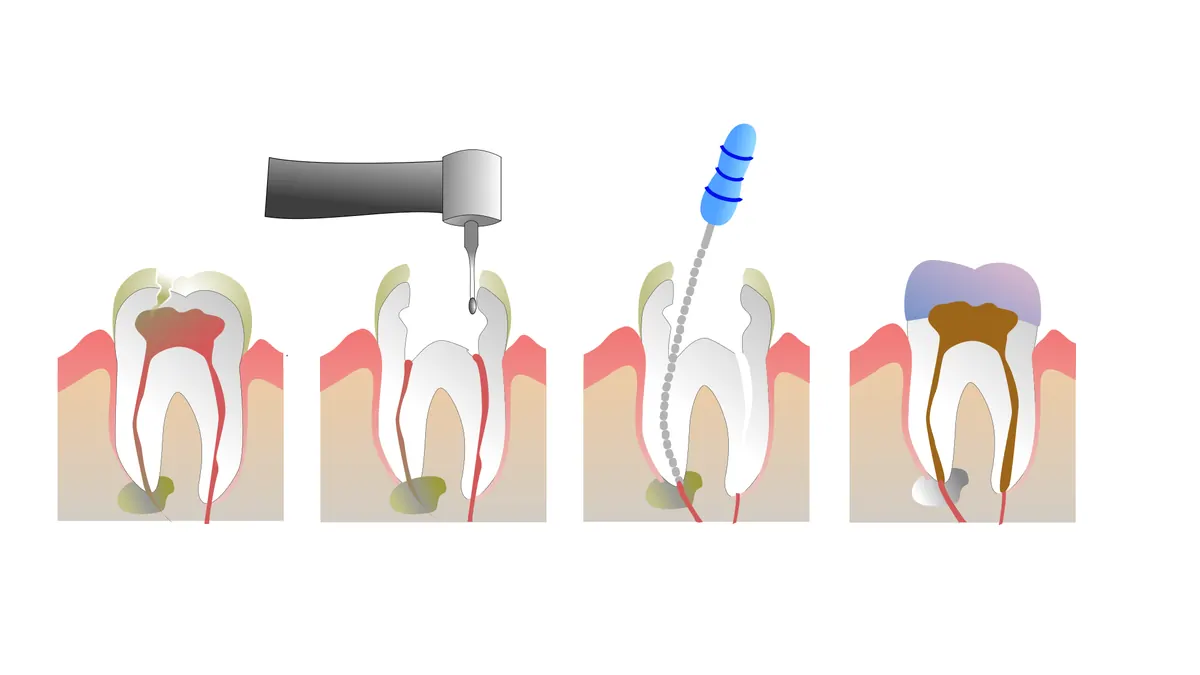
Root canal treatment, also called endodontic treatment, removes infected or damaged tissue from inside a tooth. The dentist or endodontist cleans and shapes the canals within the roots, then seals them to help prevent further infection. A filling or crown usually follows to protect the tooth.
Who it is for
It is for people whose tooth pulp has become inflamed or infected, often because of deep decay, a crack or an injury. The aim is to keep the natural tooth rather than remove it, although this is not always possible and the dentist will explain the options, including extraction.
How long it usually takes
Treatment may take one or more visits, depending on the tooth, the number of canals and whether infection is present. The clinic can explain the likely plan after assessing the tooth.
What to expect
The dentist takes an X-ray, numbs the tooth, makes an opening, cleans the canals and places a temporary or final filling. You may need a later appointment for a crown. Specialist endodontists are available in some places, and a general dentist may refer you.
Aftercare
The tooth may feel tender for a few days. Avoid chewing hard foods on it until it has been fully restored, and keep it clean. Attend follow-up appointments so the dentist can check it has healed. Contact the practice if pain, swelling or a bad taste returns.
When to seek it
See a dentist promptly if you have severe toothache, sensitivity that lingers, a darkening tooth or a swelling on the gum. Facial swelling, fever or difficulty swallowing needs urgent medical attention.
What affects the cost
Cost depends on the tooth treated, the number of canals, whether a specialist treats you, any retreatment and the crown or filling that follows. HealthNaro shows a price only where a clinic has supplied a figure with a source and date.
This page is general information and not medical advice. In an emergency, contact your local emergency number.
Sources: NHS; American Dental Association (MouthHealthy).