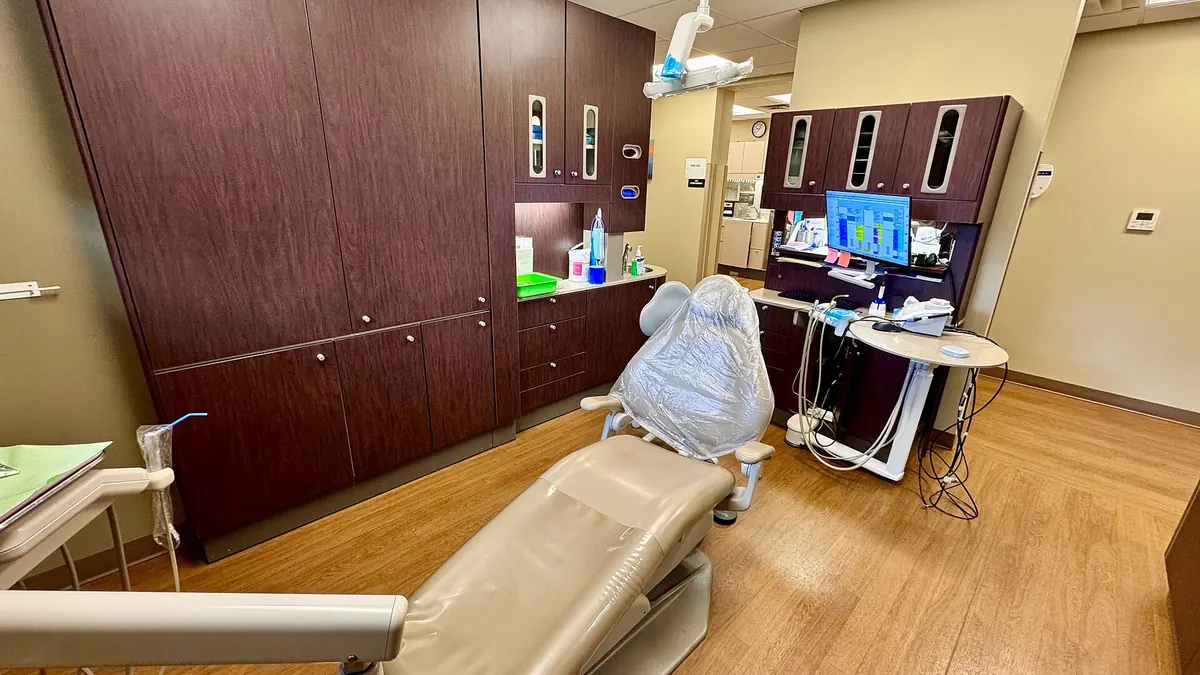
What it involves
A general dental consultation is an appointment in which a dentist looks at your teeth, gums and the rest of your mouth, asks about your dental and medical history and discusses anything that concerns you. It may include a visual check, a gentle probe of the teeth and gums, and sometimes X-rays.
Who it is for
It suits anyone who wants a routine check, has a new problem such as a sore tooth or bleeding gums, or is registering with a new practice. Children, adults and older people all need regular dental review, and the dentist will advise how often.
How long it usually takes
A routine consultation is often a single, fairly short appointment. A first visit with a new dentist, or a visit for a problem, may take longer because of the history and any tests. The clinic can tell you what to expect when you book.
What to expect
The dentist or a colleague will ask about symptoms, medicines, allergies and previous treatment. They examine your mouth and explain what they find. If treatment is needed, you should be offered options and a plan, and you can ask questions before agreeing.
Aftercare
After a check-up there is usually nothing special to do beyond brushing twice a day with fluoride toothpaste and cleaning between teeth, as your dentist advises. If you have any treatment on the day, follow the specific instructions you are given.
When to seek it
Seek a consultation if you have toothache, swelling, bleeding gums, a broken tooth, mouth sores that do not heal, or it has been longer than your dentist advised since your last visit. Severe swelling of the face or difficulty breathing or swallowing needs urgent medical attention.
What affects the cost
Cost depends on whether it is an examination only or includes X-rays, whether the dentist is a general practitioner or a specialist, and the location of the practice. HealthNaro shows a price only where a clinic has supplied a figure with a source and date.
Read more in our guide: Dental check-up and professional cleaning: what to expect.
This page is general information and not medical advice. In an emergency, contact your local emergency number.
Sources: NHS; World Health Organization.