What it involves
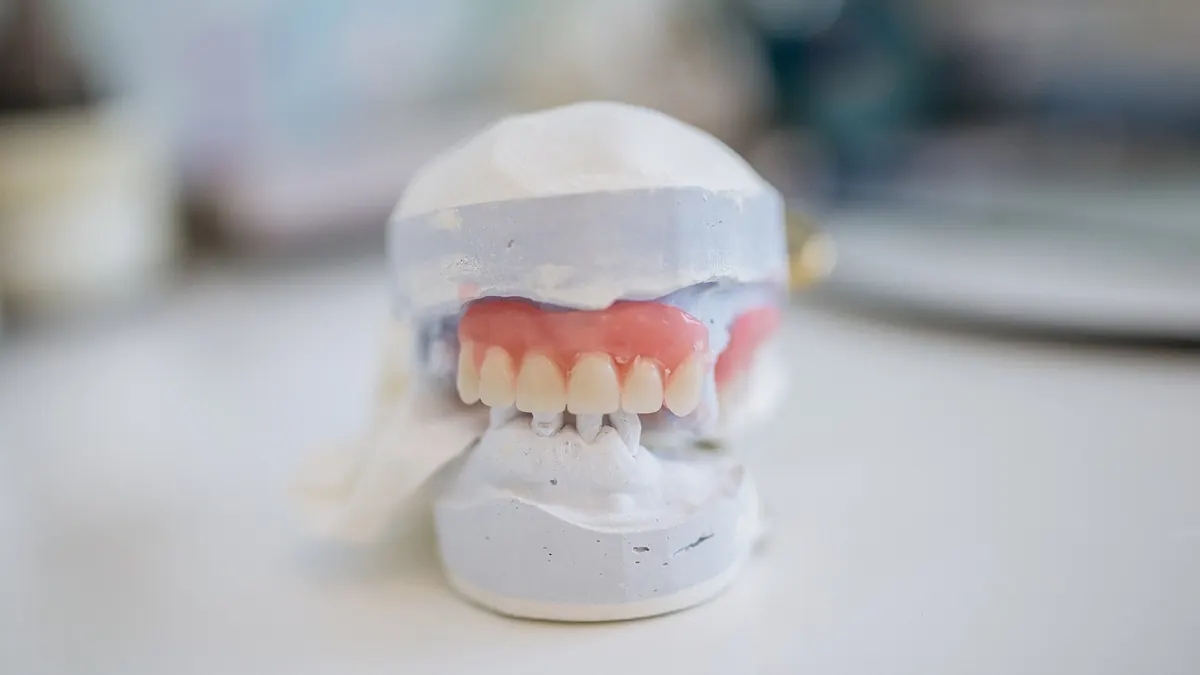
Dentures are removable replacements for missing teeth. Complete dentures replace all teeth in a jaw, while partial dentures fill gaps and clip around remaining teeth. They are made from acrylic, sometimes with a metal framework, and are made to fit the shape of your mouth from impressions.
Who it is for
Dentures are for people who have lost several or all of their teeth and want help with chewing, speaking and appearance. Some people choose implant-supported dentures for extra stability. A dentist will explain the options and what suits your mouth.
How long it usually takes
Making dentures usually takes several appointments over a few weeks, covering impressions, trial fittings, the final fit and adjustments.
What to expect
You can expect impressions, a check of how your bite fits together, a try-in of the teeth in wax and then the finished denture. New dentures may feel bulky and affect speech and eating at first. The dentist can adjust them if they rub.
Aftercare
Clean dentures daily as advised, remove them overnight if your dentist recommends it, and keep your gums and any remaining teeth clean. Attend regular check-ups, as the fit can change over time. Contact the dentist if the denture is loose, causes sore spots or breaks.
When to seek it
See a dentist if you have lost teeth, if your denture no longer fits, or if you notice sore patches in your mouth that do not heal within a couple of weeks.
What affects the cost
Cost depends on whether dentures are complete or partial, the materials, whether implants are involved, the number of visits and the practice. HealthNaro shows a price only where a clinic has supplied a figure with a source and date.
Read more in our guide: Dentures: types, the fitting process and getting used to them.
This page is general information and not medical advice. In an emergency, contact your local emergency number.
Sources: NHS; American Dental Association (MouthHealthy).