Physiotherapy: common movement problems, self-care and finding a physiotherapist
What physiotherapy covers, the injuries and conditions it most often treats, how to protect your joints and muscles, warning signs that need urgent care, and how to check a physiotherapy provider.
- Escrito por
- HealthNaro Editorial Team
- Publicado
How this page was made: Drafted by the HealthNaro Editorial Team with AI assistance, checked against reputable health sources, and not yet clinically reviewed. Editorial policy
Ainda sem revisão clínica
Physiotherapy helps people move better and with less pain after injury, illness or surgery. It relies mainly on exercise, hands-on treatment and education rather than medicines. This page explains what physiotherapists do, the problems they most often treat, how to look after your own joints and muscles, and how to find and check a provider.
What this field covers
The NHS describes physiotherapy as treatment that can ease pain and improve movement using exercise, massage and other techniques. Physiotherapists assess how the body moves, identify what is restricting it and design a programme of exercises and treatment to restore function. They work with bone, joint and muscle problems such as back pain and sports injuries; with recovery after surgery; with movement difficulties after a stroke or in conditions such as Parkinson's disease; with breathing problems; and with pelvic floor and continence problems during and after pregnancy.
Sports physiotherapists focus on preventing and rehabilitating injuries in people who train and compete, including planning a safe return to play. The WHO fact sheet on musculoskeletal conditions (14 July 2022) estimates that about 1.71 billion people live with a musculoskeletal condition, and describes these conditions as the leading contributor to disability worldwide and the group for which the most people may benefit from rehabilitation.
Common problems
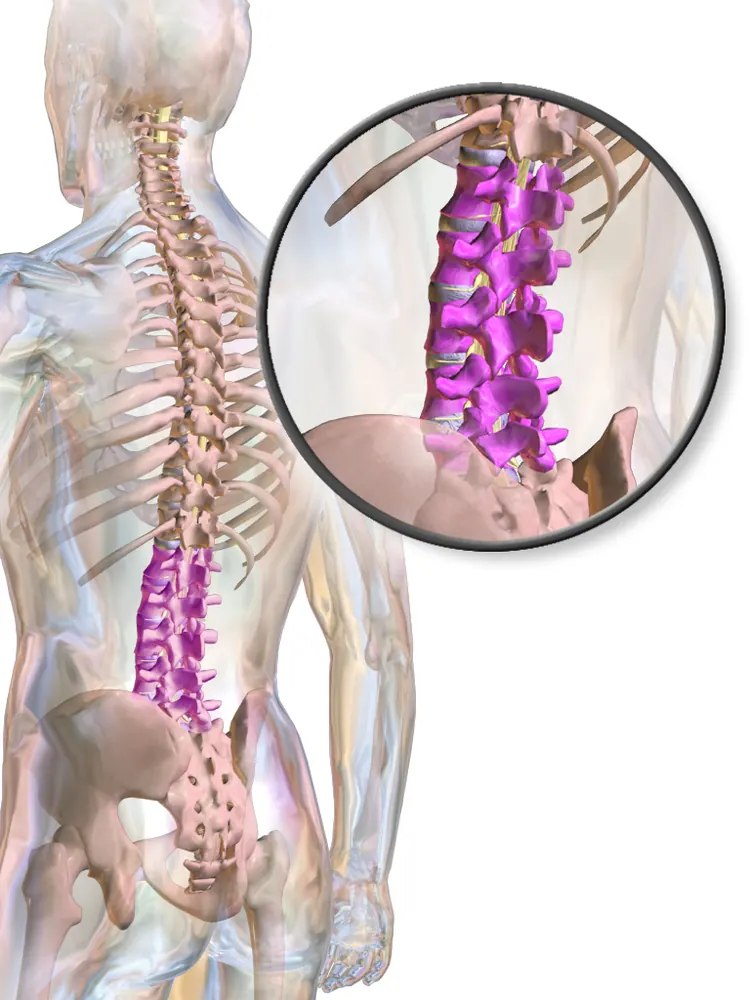
Low back pain. Pain between the bottom of the ribs and the buttocks is the single most common reason people see a physiotherapist. The WHO low back pain fact sheet (19 June 2023) reports that it affected 619 million people in 2020 and that about 90% of cases are non-specific, meaning no single structural cause can be identified. Most episodes improve within weeks. Physiotherapists treat it with graded activity, exercise and advice; general practitioners and orthopaedic or spinal specialists are involved when there are signs of nerve involvement or other causes.
Neck pain. Often linked to posture, sleeping position or sudden movement, neck pain may come with stiffness, headaches or pain spreading into the shoulder. The NHS notes that it usually improves within a few weeks. Physiotherapy addresses movement, posture and strength.
Sprains and strains. A sprain is an overstretched or torn ligament; a strain is a torn muscle or tendon. Ankles, knees, wrists and thumbs are the usual sites, with pain, swelling, bruising and difficulty bearing weight. The NHS advises rest, ice, compression and elevation in the first days, then gradual return to movement, which a physiotherapist can guide. Fractures must be ruled out when there is severe pain or inability to bear weight.
Sports injuries. Hamstring and calf tears, groin strains, knee ligament injuries and shin pain are common in football, running and athletics. Sports physiotherapists manage rehabilitation and return-to-play, with orthopaedic surgeons involved for ligament ruptures and fractures.
Tendon problems (tendinopathy). Overuse of a tendon, as in Achilles, patellar or tennis elbow problems, causes pain and stiffness that is worse after rest and during activity. The NHS describes it as usually improving over weeks with modified activity, and physiotherapists prescribe progressive loading exercises that help the tendon recover.
Frozen shoulder. The capsule around the shoulder joint becomes thick and tight, causing pain and marked stiffness that can last many months. The NHS notes that it is more common in people over 40 and in people with diabetes. Physiotherapy maintains movement; orthopaedic surgeons may offer injections or procedures for persistent cases.
Knee and hip pain from osteoarthritis. Wear of the joint cartilage leads to pain, stiffness and reduced function. Exercise to strengthen the muscles around the joint, weight management and activity advice are core treatments, delivered by physiotherapists, with orthopaedic surgeons considering joint replacement when the condition is severe.
Plantar fasciitis. Pain under the heel, worst with the first steps in the morning, caused by irritation of the band of tissue along the sole of the foot. The NHS notes that it often improves with rest, stretching and supportive footwear. Physiotherapists and podiatrists manage it.
Recovery after surgery. After joint replacement, fracture fixation, ligament reconstruction or abdominal and heart surgery, physiotherapy restores strength, movement and confidence. Programmes are planned together with the surgical team.
Recovery after stroke. Weakness, loss of balance and difficulty walking are common after a stroke. The NHS describes rehabilitation as beginning in hospital and continuing at home, with physiotherapists helping people regain movement and independence alongside occupational and speech therapists.
Pelvic floor problems. Leaking urine, pelvic pain and weakness during or after pregnancy, or after prostate surgery in men, are treated by pelvic health physiotherapists, often with gynaecologists or urologists.
Prevention and self-care basics
- Stay active. Regular activity is the main treatment for most back and joint pain, and it also helps prevent it.
- Build strength as well as fitness. Strong muscles protect joints and tendons; two sessions a week of resistance exercise is a common recommendation.
- Warm up before sport and increase training loads gradually. Sudden jumps in distance, intensity or frequency are a common cause of tendon and muscle injury.
- Vary your posture during desk work, take short movement breaks and set your screen at eye level.
- Lift with the load close to your body and avoid twisting while lifting, but do not be afraid to bend; the spine is designed to move.
- Keep to a healthy weight to reduce load on knees, hips and feet.
- Wear footwear suited to the activity and replace worn running shoes.
- After an injury, follow the exercise programme you are given. Doing the exercises is the treatment.
When to see a professional
See a physiotherapist if pain or stiffness is limiting what you can do for more than a couple of weeks, if an injury is not settling with rest and gentle movement, if you keep re-injuring the same area, if you want help returning to sport, or if you have been told you need rehabilitation after surgery or a stroke. In many places you can book a physiotherapist directly; in others a referral from a doctor is needed. See a general practitioner first if you have pain with unexplained weight loss, fever or night sweats, or if you are unsure of the cause.
Warning signs that need urgent care
Seek urgent medical care, not a routine physiotherapy appointment, if you have:
- Back pain together with numbness around the genitals or buttocks, difficulty controlling your bladder or bowels, or weakness in both legs. The NHS lists these as signs of a serious spinal condition that needs emergency treatment.
- A limb that is deformed, cannot bear any weight, or where you heard a crack at the time of injury.
- A hot, swollen, red joint with fever, which may indicate infection.
- Sudden severe calf pain with swelling and warmth, which can indicate a blood clot.
- A head or neck injury with dizziness, vomiting, confusion or loss of consciousness.
- Chest pain or breathlessness during exercise.
- Sudden weakness, facial drooping or slurred speech, which can indicate a stroke.
If you think you have a medical emergency, contact your local emergency services.
How to find and check a provider
HealthNaro lists physiotherapy centres and physiotherapists. Every listing carries a verification label stating what has been checked: Public listing, Contact verified, Reviewed by HealthNaro or Credentials verified. HealthNaro does not endorse providers; the labels describe our checks and not the quality of treatment.
Before booking, you may wish to ask whether the physiotherapist is registered with the national regulator, what experience they have with your type of problem, how many sessions they expect to need, and whether home exercises will form part of the plan. Browse providers by specialty:
Our consulting service is free: tell us what you need and we will help you find a suitable clinic.
Frequently asked questions
Do I need a scan before physiotherapy? Usually not. For most back, neck and joint pain, imaging does not change treatment. A physiotherapist or doctor will arrange imaging if your history or examination suggests it is needed.
Should physiotherapy hurt? Some exercises may be uncomfortable, and mild soreness afterwards is common. Sharp or worsening pain is not expected, and you should tell your physiotherapist so the programme can be adjusted.
How many sessions will I need? This varies with the problem and how consistently you do your exercises. Ask for an expected plan at the first appointment and for a review if progress stalls.
What is the difference between a physiotherapist and a massage therapist or chiropractor? Physiotherapists are regulated health professionals trained to assess and treat a wide range of conditions, mainly through exercise and education. Massage or manipulation may be part of physiotherapy, but it is not the whole of it.
Can physiotherapy help older people stay independent? Yes. Strength and balance training reduces the risk of falls and helps maintain mobility, and physiotherapists tailor programmes to a person's ability.
This page is general information, not medical advice.
Se pensa ter uma emergência médica, contacte de imediato os serviços de emergência locais ou dirija-se à urgência mais próxima. Não espere pela resposta de uma ficha de diretório.
Precisa de ajuda para encontrar um prestador?
Diga-nos o que precisa e onde. Entramos em contacto consigo, percebemos a sua situação e ajudamo-lo a encontrar e escolher uma clínica adequada. Este serviço é gratuito para pacientes.
Leituras relacionadas
-
Artigo de blogue
Back pain: when to see a physiotherapist, a doctor or get a scan
Most low back pain has no single identifiable cause. How to decide between self-care, a physiotherapist and a doctor, which symptoms need urgent attention, and why a scan is not always the first step.
1 novembro 2026
-
Guia
Physiotherapy after an injury or operation: how rehabilitation works
What rehabilitation involves after a fracture, sprain, ligament injury or surgery, the stages of recovery, how to prepare, and what affects how long it takes.
31 outubro 2026
-
Guia
Physiotherapy for back pain: what treatment involves and what the evidence supports
How a physiotherapist assesses low back pain, why exercise and staying active are the core of treatment, what manual therapy adds, and the warning signs that need urgent care.
31 outubro 2026