Orthopaedics: common bone, joint and spine problems and finding a specialist
What orthopaedics covers, the bone, joint and spine problems people most often seek help for, how to protect your musculoskeletal health, the injuries that need urgent care, and how to check an orthopaedic provider.
- Escrito por
- HealthNaro Editorial Team
- Publicado
How this page was made: Drafted by the HealthNaro Editorial Team with AI assistance, checked against reputable health sources, and not yet clinically reviewed. Editorial policy
Ainda sem revisão clínica
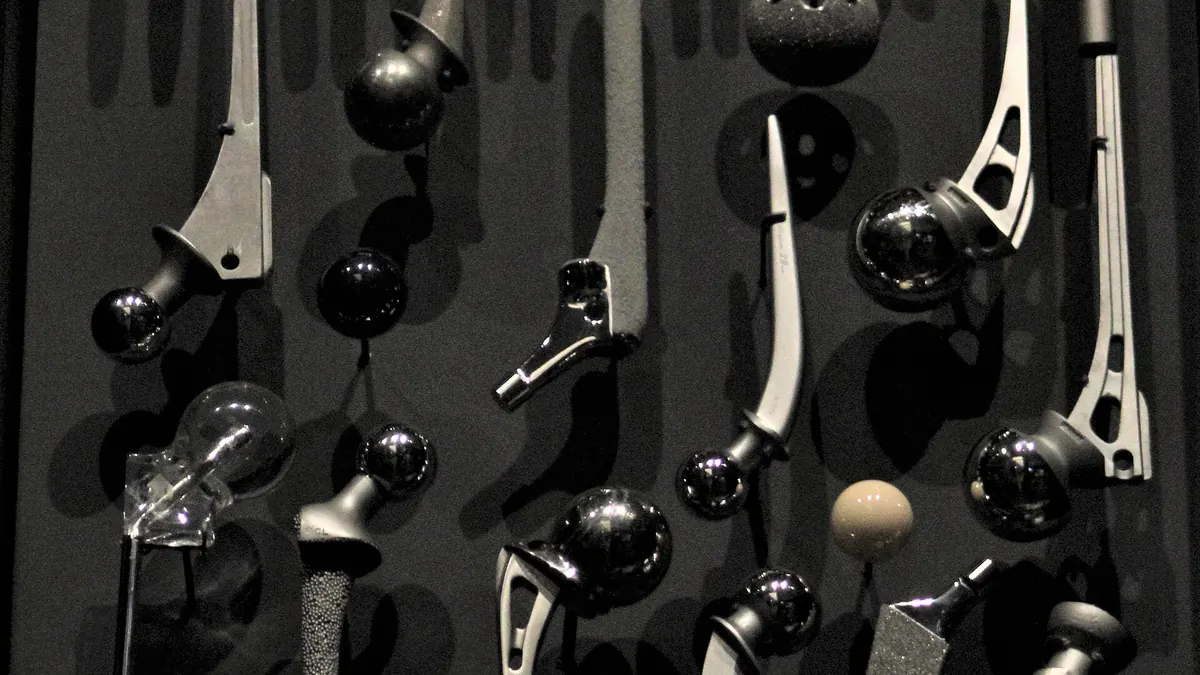
Problems with bones, joints, muscles, ligaments and the spine are among the most common causes of pain and lost mobility at every age. This page explains what orthopaedics covers, the problems that most often bring people to an orthopaedic clinic, how to protect your musculoskeletal health, and how to find and check a provider.
What this field covers
Orthopaedic surgeons are doctors who diagnose and treat conditions of the musculoskeletal system, both surgically and without surgery. Their work includes setting and fixing fractures, replacing worn hip and knee joints, repairing torn ligaments and tendons, correcting deformities in children, operating on the spine, and treating bone infections and bone tumours. Much orthopaedic care does not involve an operation: advice, bracing, injections and physiotherapy are often the first steps. Orthopaedic surgeons work closely with physiotherapists, rheumatologists (who treat inflammatory joint disease with medicines), radiologists and, for children, paediatricians.
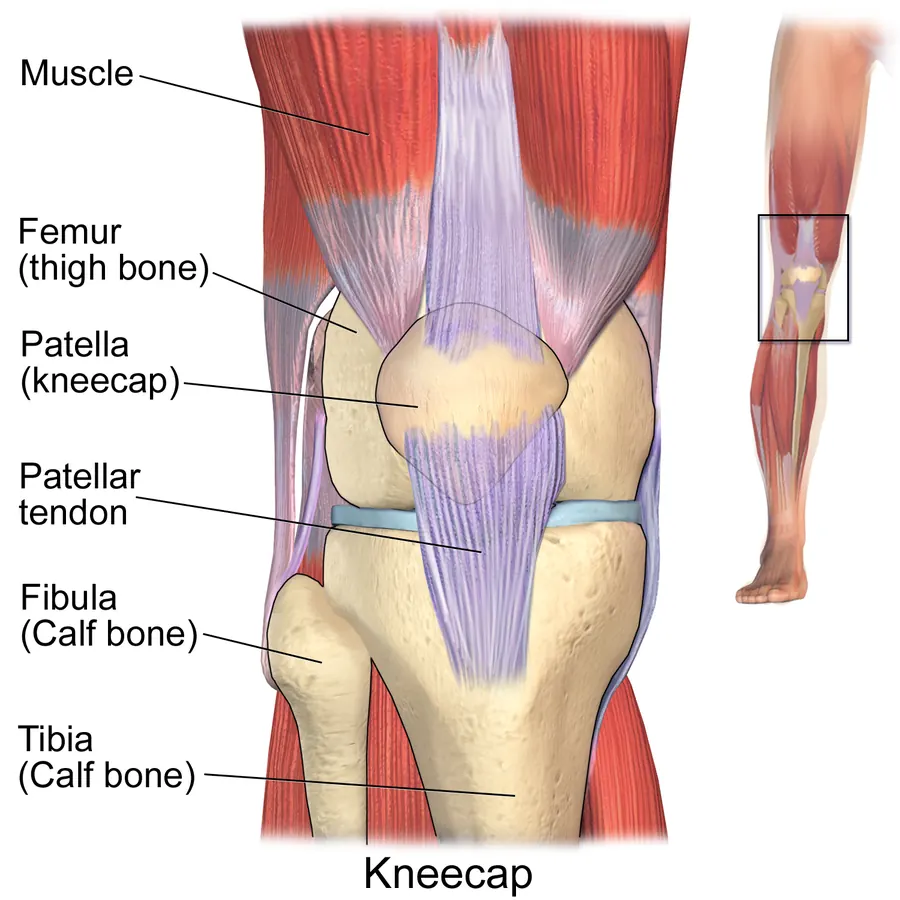
The WHO fact sheet on musculoskeletal conditions (14 July 2022) estimates that approximately 1.71 billion people live with a musculoskeletal condition and describes these conditions as the leading contributor to disability worldwide.
Common problems
Osteoarthritis. The cartilage that cushions a joint wears down, causing pain, stiffness and swelling, most often in the knees, hips, hands and spine. The NHS notes that it is more common with age, after joint injury and in people who are overweight. Treatment begins with exercise, weight management and pain relief; when a joint is badly damaged, an orthopaedic surgeon may offer joint replacement.
Fractures. Broken bones follow falls, road traffic injuries, sport and, in older people with fragile bones, minor stumbles. The NHS lists severe pain, swelling, bruising, deformity and inability to use the limb as typical signs. Fractures are diagnosed by X-ray and treated by orthopaedic surgeons with casts, splints or surgery to fix the bone.
Osteoporosis. Bones lose density and break more easily, often without any warning until a wrist, hip or spine fracture occurs. The NHS notes that it is most common in women after menopause and that it can be assessed with a bone density scan. Fracture prevention involves general practitioners and physicians; orthopaedic surgeons treat the fractures that result.
Back and neck problems, including slipped disc. Most back pain has no single identifiable cause and settles with activity. A slipped (herniated) disc occurs when the soft centre of a spinal disc pushes out and presses on a nerve, causing pain, numbness or weakness that travels down the arm or leg. According to the NHS most slipped discs improve within six weeks without surgery. Orthopaedic or neurosurgical spine specialists see cases with nerve compression that is not improving.
Sports and ligament injuries. Torn knee ligaments (such as the anterior cruciate ligament), meniscus tears, shoulder dislocations and Achilles tendon ruptures are common in football, rugby, running and athletics. Orthopaedic surgeons repair or reconstruct torn structures where needed, with rehabilitation led by sports physiotherapists.
Carpal tunnel syndrome. Pressure on the median nerve at the wrist causes tingling, numbness and weakness in the hand, often worse at night. The NHS notes that it sometimes gets better on its own, and that splints, injections or a small operation are the main treatments. Hand surgeons, who are usually orthopaedic or plastic surgeons, carry out the release.
Rheumatoid arthritis and gout. Rheumatoid arthritis is an autoimmune disease causing painful, swollen, stiff joints, typically on both sides of the body, and is treated by rheumatologists with disease-modifying medicines. Gout causes sudden, intensely painful swelling, often of the big toe, from uric acid crystals. Orthopaedic surgeons become involved when joints are damaged beyond repair.
Children's bone and joint conditions. Clubfoot, hip dysplasia, bow legs, limb length differences and scoliosis (a sideways curve of the spine) are usually detected in infancy or during growth. The NHS notes that clubfoot is typically corrected with gentle stretching and casting from the first weeks of life, and that most scoliosis in children does not need surgery. Paediatric orthopaedic surgeons manage these conditions.
Bone and joint infections. Osteomyelitis (infection of bone) and septic arthritis (infection in a joint) cause severe pain, swelling, fever and inability to move the joint. They need urgent hospital treatment with antibiotics and often surgery, and are more common in children and in people with diabetes or sickle cell disease.
Shoulder problems. Rotator cuff tears, frozen shoulder and recurrent dislocation cause pain and loss of movement. Most are first treated with physiotherapy; orthopaedic surgeons repair tears and stabilise shoulders that keep dislocating.
Bone tumours. Rare, but persistent bone pain that is worse at night, a growing lump, or a fracture after minimal force should always be investigated by an orthopaedic specialist.
Prevention and self-care basics
- Stay active and include strength training; strong muscles protect joints and reduce falls. Weight-bearing activity also helps keep bones dense.
- Keep to a healthy weight to reduce load on knees, hips and the spine.
- Eat enough calcium and get adequate vitamin D from sunlight or diet, particularly in later life and after menopause.
- Do not smoke; smoking weakens bone and slows fracture and wound healing.
- Use protective equipment for sport and work, wear seat belts and helmets, and warm up before exercise.
- Make the home safer for older people: good lighting, secure rugs, handrails and footwear that grips.
- Treat sprains and strains properly and complete rehabilitation before returning to sport.
- Vary posture and take movement breaks during long periods of sitting.
When to see a professional
See a doctor or orthopaedic specialist for joint pain or stiffness that limits daily activities for more than a few weeks, for a joint that keeps swelling or giving way, for pain, numbness or weakness travelling down an arm or leg that does not settle within a few weeks, for a limp or asymmetry in a child, for a suspected fracture, or for any bone pain that is persistent and unexplained. Many problems can first be assessed by a general practitioner or physiotherapist, who will refer onwards if imaging or a surgical opinion is needed.
Warning signs that need urgent care
Go to an emergency department or call emergency services for:
- An obvious deformity, a bone through the skin, or a limb that cannot bear weight after an injury.
- A joint that is hot, red, swollen and extremely painful, particularly with fever, which may be infected.
- Back pain with numbness around the buttocks or genitals, difficulty controlling bladder or bowels, or weakness in both legs, which the NHS describes as signs of a serious spinal condition needing emergency care.
- Loss of sensation, coldness or a pale or blue colour in a limb after an injury.
- A fall in an older person with hip or groin pain and inability to stand.
- Severe pain and swelling in a limb inside a cast or after injury that painkillers do not ease.
If you think you have a medical emergency, contact your local emergency services.
How to find and check a provider
HealthNaro lists orthopaedic clinics and orthopaedic surgeons. Each listing carries a verification label describing what has been checked: Public listing, Contact verified, Reviewed by HealthNaro or Credentials verified. HealthNaro does not endorse providers; the labels describe our checks, not the quality of care.
Before surgery in particular, it is reasonable to ask whether the surgeon is registered as a specialist with the national medical regulator, how often they perform the procedure proposed, what the alternatives are, what the recovery and rehabilitation plan involves, and which hospital the operation will take place in. Browse providers by specialty:
Our consulting service is free: tell us what you need and we will help you find a suitable clinic.
Frequently asked questions
Do I need to see an orthopaedic surgeon or a physiotherapist first? For most back, neck and joint pain without injury, a physiotherapist or general practitioner is a sensible first step. An orthopaedic surgeon is needed for fractures, deformity, suspected ligament rupture, or when non-surgical treatment has not worked.
How long does a joint replacement last? The NHS notes that most modern hip and knee replacements last many years, and that a replacement may eventually need revision. Your surgeon can discuss what to expect in your situation.
Will an X-ray or MRI show what is wrong? X-rays show bones and are the first test for fractures and arthritis. MRI shows soft tissues such as discs, ligaments and cartilage. Scans are most useful when the findings would change treatment, which is not always the case for back pain.
Can children's bowed legs or flat feet correct themselves? Often, yes. Many variations in young children are part of normal development. A paediatrician or paediatric orthopaedic surgeon can tell which need treatment.
Is osteoporosis only a women's condition? No. It is more common in women after menopause, but men, people on long-term steroid treatment and those with certain medical conditions are also at risk.
This page is general information, not medical advice.
Se pensa ter uma emergência médica, contacte de imediato os serviços de emergência locais ou dirija-se à urgência mais próxima. Não espere pela resposta de uma ficha de diretório.
Precisa de ajuda para encontrar orthopaedic surgery?
Diga-nos o que precisa e onde. Entramos em contacto consigo, percebemos a sua situação e ajudamo-lo a encontrar e escolher uma clínica adequada. Este serviço é gratuito para pacientes.
Leituras relacionadas
-
Guia
An orthopaedic consultation for joint pain: assessment, options and when surgery is considered
What an orthopaedic surgeon assesses for knee, hip or shoulder pain, why exercise and weight management come first for osteoarthritis, and when joint replacement is discussed.
31 outubro 2026