Eye care: common eye conditions, prevention and finding an eye clinic
What ophthalmology and optometry cover, the eye problems people most often need help with, how to protect your sight, the symptoms that need urgent attention, and how to check an eye care provider.
- Escrito por
- HealthNaro Editorial Team
- Publicado
How this page was made: Drafted by the HealthNaro Editorial Team with AI assistance, checked against reputable health sources, and not yet clinically reviewed. Editorial policy
Aún sin revisión clínica
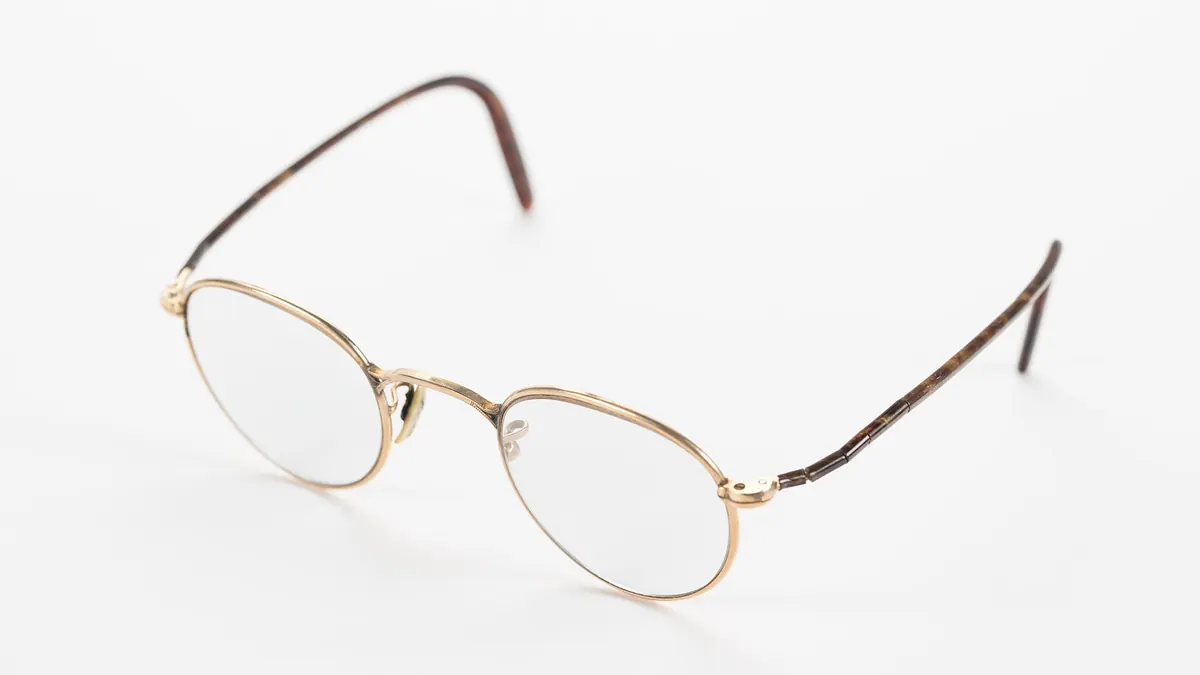
Sight is the sense most people say they fear losing, yet many eye conditions develop silently and are found only when someone has an eye test. This page explains what eye care covers, the problems people most often bring to an eye clinic, how to protect your vision, and how to find and check a provider.
What this field covers
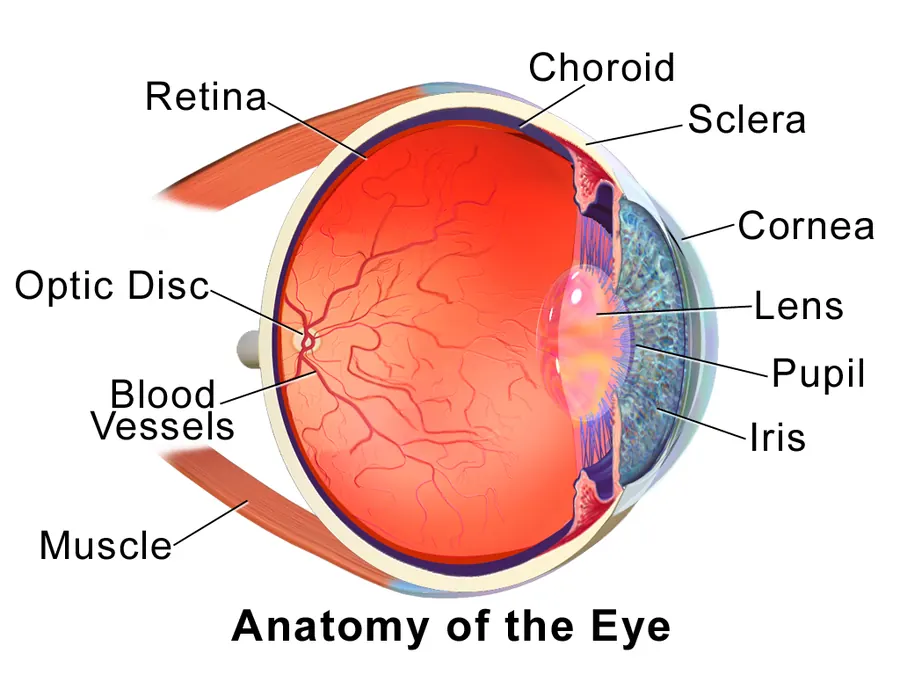
Eye care involves two main professions. Optometrists test vision, prescribe and fit spectacles and contact lenses, and examine the eye for signs of disease, referring onwards when they find something that needs medical treatment. Ophthalmologists are medical doctors who diagnose and treat eye disease medically and surgically, including cataract removal, glaucoma care, retinal treatment and eye injuries. Many eye clinics bring both together, and opticians dispense the spectacles that an optometrist prescribes.
The WHO fact sheet on blindness and vision impairment (10 February 2026) states that at least 2.2 billion people have a near or distance vision impairment, and that in low-income countries two out of three people who need eyeglasses do not have access to them. Much vision loss is therefore preventable or correctable.
Common problems
Refractive errors. Short-sightedness (myopia), long-sightedness, astigmatism and the age-related difficulty focusing on near objects (presbyopia) are the most common eye problems of all. Signs include blurred vision at distance or near, squinting, headaches and eye strain. An optometrist diagnoses them with a sight test and corrects them with spectacles or contact lenses; some adults choose laser surgery performed by an ophthalmologist.
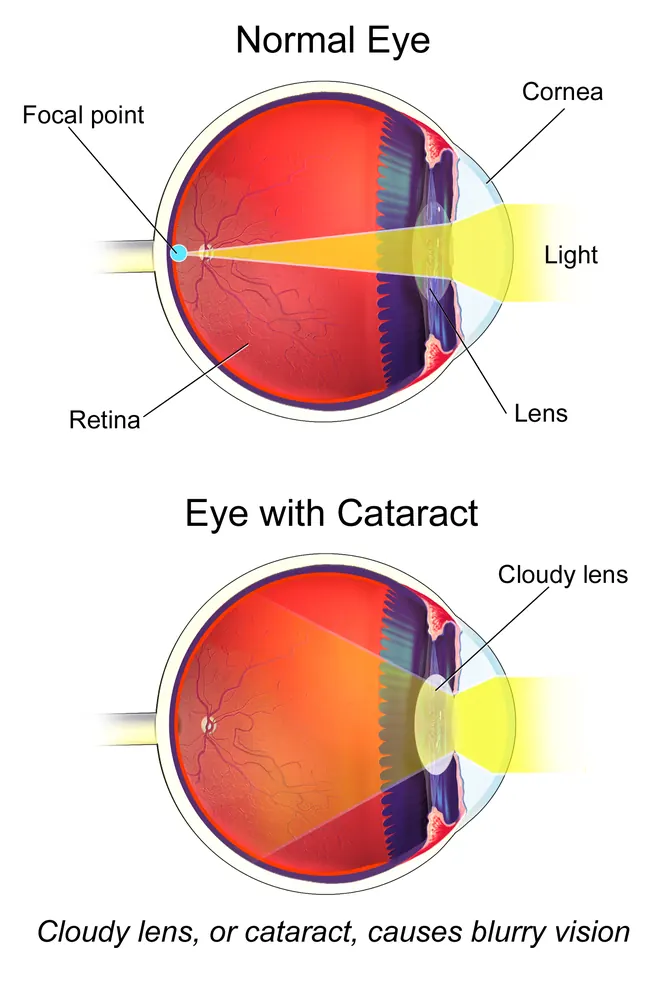
Cataracts. A cataract is a clouding of the lens inside the eye. The NHS describes vision becoming blurred or misty, colours looking faded, lights appearing too bright or glaring, and difficulty seeing at night, usually developing slowly in both eyes. Age is the main factor, with smoking, long-term steroid use, eye injury and sun exposure also contributing. Surgery to replace the cloudy lens with an artificial one is carried out by an ophthalmologist, usually as a day procedure.
Glaucoma. Glaucoma damages the optic nerve, usually because of raised pressure inside the eye. The NHS notes that it often causes no symptoms at first and is typically picked up at a routine eye test, which is why regular testing matters, particularly for people over 40 with a family history. Treatment with drops, laser or surgery aims to slow further damage; lost sight cannot be restored. Ophthalmologists manage glaucoma, with optometrists often monitoring between visits.
Diabetic retinopathy. High blood sugar damages the small blood vessels at the back of the eye. There may be no early symptoms, so people with diabetes should have regular retinal examinations. Advanced disease causes floaters, blurred or patchy vision and can lead to sight loss. Ophthalmologists treat it with laser, injections or surgery; good control of diabetes, blood pressure and cholesterol reduces the risk.
Age-related macular degeneration (AMD). AMD affects the central part of the retina used for reading and recognising faces. The NHS describes it as usually first appearing in people in their 50s, with straight lines looking wavy, words disappearing while reading, or a dark or blurred spot in central vision. It does not cause total blindness. Ophthalmologists manage it; some forms are treated with regular injections.
Conjunctivitis. Inflammation of the thin membrane covering the white of the eye causes redness, grittiness, watering and sometimes sticky discharge. Infectious conjunctivitis usually clears in a couple of weeks; allergic conjunctivitis accompanies hay fever and is not contagious. Optometrists and general practitioners manage most cases.
Dry eyes. When the eyes do not make enough tears or tears evaporate too quickly, they feel gritty, sore or itchy and may water excessively. The NHS lists age, contact lens wear, long screen use, dry or smoky air and some medicines as contributing factors. Optometrists usually manage dry eye and refer persistent cases to an ophthalmologist.
Squint and lazy eye in children. A squint is where the eyes point in different directions. If it is not treated in early childhood the brain may begin to ignore the image from one eye, leading to amblyopia (a lazy eye). The NHS advises assessment for any squint that persists beyond three months of age. Treatment with glasses, patching or surgery is provided by ophthalmologists and orthoptists.
Eye injuries. Foreign bodies, chemical splashes, blows to the eye and welding flash are common. The NHS advises rinsing chemical splashes with clean water for at least 20 minutes and never trying to remove an object stuck in the eye. Minor surface injuries are treated by optometrists or doctors; anything affecting vision needs an ophthalmologist urgently.
Infections and inflammation inside the eye. Uveitis, keratitis (often linked to contact lens misuse) and trachoma in endemic areas can cause pain, redness, light sensitivity and reduced vision. These need an ophthalmologist.
Prevention and self-care basics
- Have a routine eye test at the interval your optometrist recommends, even if you see well. Glaucoma, diabetic retinopathy and early AMD are usually silent.
- If you have diabetes, attend every retinal screening appointment and work with your doctor on blood sugar and blood pressure control.
- Do not smoke. Smoking increases the risk of cataracts and AMD.
- Wear sunglasses that block ultraviolet light and a hat in strong sun.
- Use protective eyewear for grinding, welding, hammering, gardening and sports where balls or shuttlecocks can strike the eye.
- Follow contact lens hygiene exactly: wash hands, never use tap water or saliva, and do not sleep or swim in lenses unless they are designed for it.
- Give children outdoor time and encourage breaks from screens; rest your own eyes regularly during close work.
When to see a professional
Book an eye test if you notice blurred vision, difficulty reading or seeing at night, frequent headaches after close work, eyes that are often tired or dry, or if it has been two years or more since your last test. Children should be checked if they squint, hold books very close, sit close to the television, rub their eyes often or complain of headaches. Anyone with diabetes, a family history of glaucoma or who is over 60 should test more regularly. An optometrist will refer you to an ophthalmologist if treatment is needed.
Warning signs that need urgent care
Some eye symptoms can threaten sight within hours. Seek same-day care from an ophthalmologist or emergency department for:
- Sudden loss or dimming of vision in one or both eyes, or a curtain or shadow across part of your vision.
- A sudden shower of new floaters or flashes of light, which can signal a retinal tear or detachment.
- Severe eye pain, especially with nausea, a red eye and blurred vision, which can indicate acute glaucoma.
- A chemical splash or an object embedded in the eye.
- A red, painful eye in a contact lens wearer.
- Double vision that appears suddenly, or a drooping eyelid with a headache.
- An eye injury from a blow, with bleeding, a change in the shape of the pupil or reduced vision.
If you think you have a medical emergency, contact your local emergency services.
How to find and check a provider
HealthNaro lists eye clinics, ophthalmologists and optometrists. Each listing shows a verification label describing what has been checked: Public listing, Contact verified, Reviewed by HealthNaro or Credentials verified. HealthNaro does not endorse providers; the labels describe our checks, not the standard of care.
Before an appointment it is reasonable to ask whether the clinic has both an optometrist and an ophthalmologist, whether a sight test fee is separate from the cost of spectacles, who performs any surgery and where, and how follow-up is arranged. Browse providers by specialty:
Our consulting service is free: tell us what you need and we will help you find a suitable clinic.
Frequently asked questions
Should I see an optometrist or an ophthalmologist? Start with an optometrist for sight tests, spectacles, contact lenses and most minor eye complaints. An ophthalmologist is needed for eye disease, surgery and any sudden change in vision. Optometrists refer onwards when they find something that needs medical care.
How often should I have an eye test? A common recommendation is every two years for adults, and more often if you have diabetes, glaucoma in the family, are over 60, or your optometrist advises it.
Can cataracts come back after surgery? The artificial lens does not cloud, although the membrane behind it can sometimes become hazy months or years later. This is treatable with a brief laser procedure. Ask your ophthalmologist what to expect.
Does reading in dim light or sitting close to screens damage the eyes? It causes tiredness and strain but is not known to cause permanent damage. Regular breaks and good lighting help with comfort.
Can glaucoma be cured? No, but treatment can usually slow or stop further damage, which is why early detection and keeping follow-up appointments matter.
This page is general information, not medical advice.
Si cree que tiene una emergencia médica, contacte de inmediato con los servicios de emergencia locales o acuda al servicio de urgencias más cercano. No espere la respuesta de una ficha de directorio.
¿Necesita ayuda para encontrar un proveedor?
Díganos qué necesita y dónde. Nos ponemos en contacto con usted, entendemos su situación y le ayudamos a encontrar y elegir una clínica adecuada. Este servicio es gratuito para los pacientes.
Lecturas relacionadas
-
Entrada de blog
Digital eye strain: why screens tire your eyes and what helps
What causes tired, dry or blurry eyes after screen use, practical steps from the American Academy of Ophthalmology, and when to book an eye test.
3 noviembre 2026
-
Entrada de blog
Optometrist or ophthalmologist: which eye professional to see
What optometrists, ophthalmologists and opticians do, which one to see for a sight test, glasses or an eye condition, and how often adults may need an eye examination.
1 noviembre 2026
-
Guía
Cataract surgery: how it works, recovery and the risks to understand
What a cataract is, when surgery is recommended, what happens on the day, lens choices, the recovery timeline and the complications to discuss with your surgeon.
31 octubre 2026