Ear, nose and throat: common problems, hearing care and finding an ENT specialist
What otolaryngology and audiology cover, the ear, nose, sinus and throat problems people most often seek help for, how to protect your hearing, the signs that need urgent care, and how to check an ENT provider.
- Verfasst von
- HealthNaro Editorial Team
- Veröffentlicht
How this page was made: Drafted by the HealthNaro Editorial Team with AI assistance, checked against reputable health sources, and not yet clinically reviewed. Editorial policy
Noch nicht klinisch geprüft
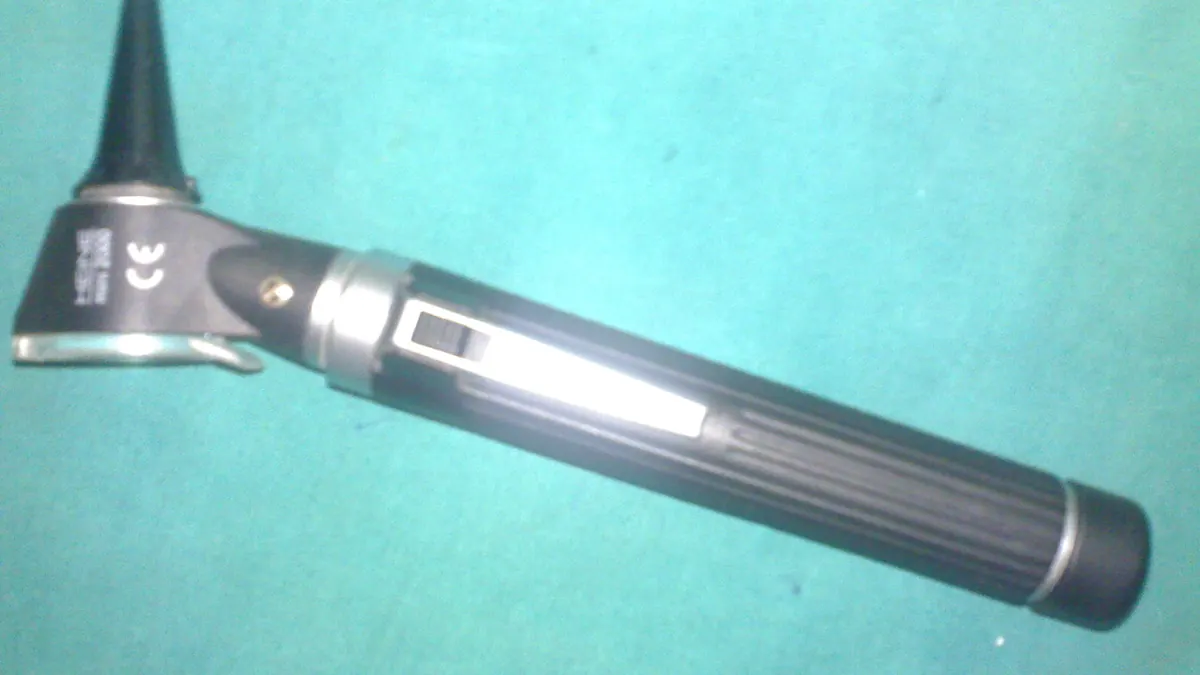
Ear, nose and throat problems are among the most frequent reasons people of all ages see a doctor. This page explains what the field covers, the problems that most often bring people to an ENT clinic, how to protect your hearing and airways, and how to find and check a provider.
What this field covers
Otolaryngologists, usually called ENT specialists or ENT surgeons, are doctors who diagnose and treat conditions of the ear, nose, sinuses, throat, voice box and the structures of the head and neck. Their work ranges from treating infections and allergies to operations such as removing tonsils, inserting grommets, sinus surgery and surgery for head and neck tumours. Audiologists are hearing specialists who test hearing, fit and adjust hearing aids, and help people and families manage hearing loss and tinnitus. General practitioners manage many ear, nose and throat complaints in the first instance.
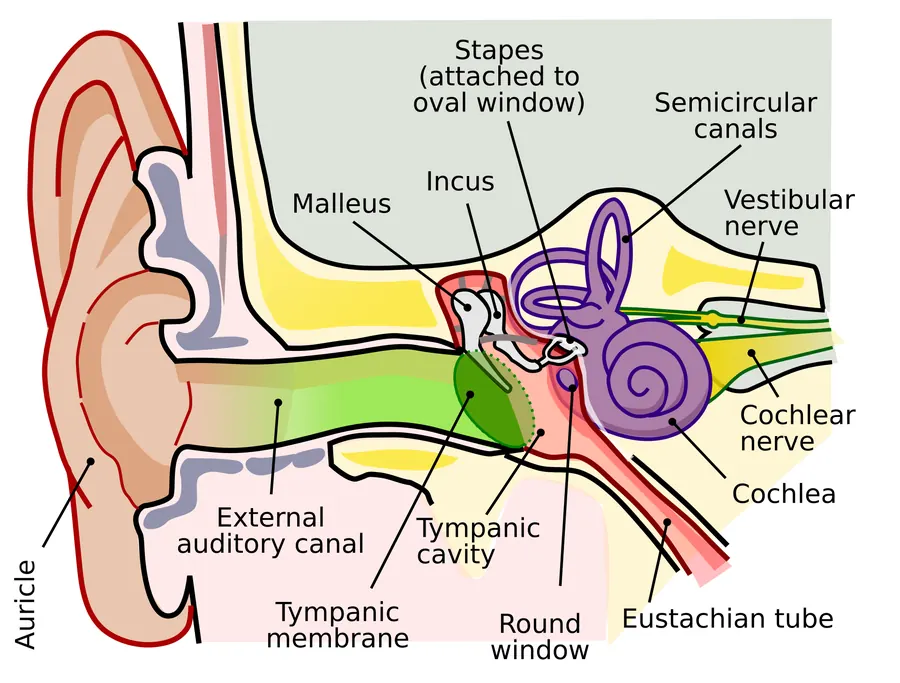
The WHO fact sheet on deafness and hearing loss (3 March 2026) reports that over 5% of the world's population, about 430 million people, need rehabilitation for disabling hearing loss, and projects that by 2050 nearly 2.5 billion people will have some degree of hearing loss.
Common problems
Ear infections. Middle ear infections (otitis media) are especially common in young children after colds, causing ear pain, fever and irritability. Outer ear infections (otitis externa) affect the ear canal, often after swimming or using cotton buds, causing itching, pain and discharge. The NHS notes that most ear infections clear within three days and that antibiotics are not usually needed. General practitioners manage most; ENT specialists see recurrent or complicated infections.
Glue ear. Fluid builds up behind the eardrum, usually in children, causing muffled hearing, which can affect speech and schooling. The NHS describes it as usually clearing on its own within three months, with grommets (small tubes inserted into the eardrum) offered by an ENT surgeon when it persists and affects hearing.
Hearing loss. Hearing can decline gradually with age or noise exposure, or suddenly after infection, injury or for no clear reason. Signs include turning up the volume, asking people to repeat themselves and struggling in noisy rooms. Audiologists measure hearing and fit hearing aids; ENT specialists investigate the cause, particularly when loss is sudden or affects one side only.
Earwax build-up. Wax that blocks the canal causes dulled hearing, a feeling of fullness and sometimes earache or tinnitus. The NHS advises against using cotton buds, which push wax deeper, and describes removal by a trained professional when drops do not work. Nurses, audiologists and ENT clinics provide this.
Tinnitus. Ringing, buzzing or humming in the ears or head without an external source. The NHS notes that it is often linked to hearing loss, noise exposure or ear conditions, and that while there is no single cure, management strategies and sound therapy help many people. Audiologists and ENT specialists assess it.
Dizziness and vertigo. Vertigo is the sensation that you or the room is spinning, often caused by inner ear conditions such as benign paroxysmal positional vertigo, labyrinthitis or Meniere's disease. The NHS notes that many episodes settle on their own and that specific head movement exercises help some types. ENT specialists and audiologists with balance training assess persistent cases.
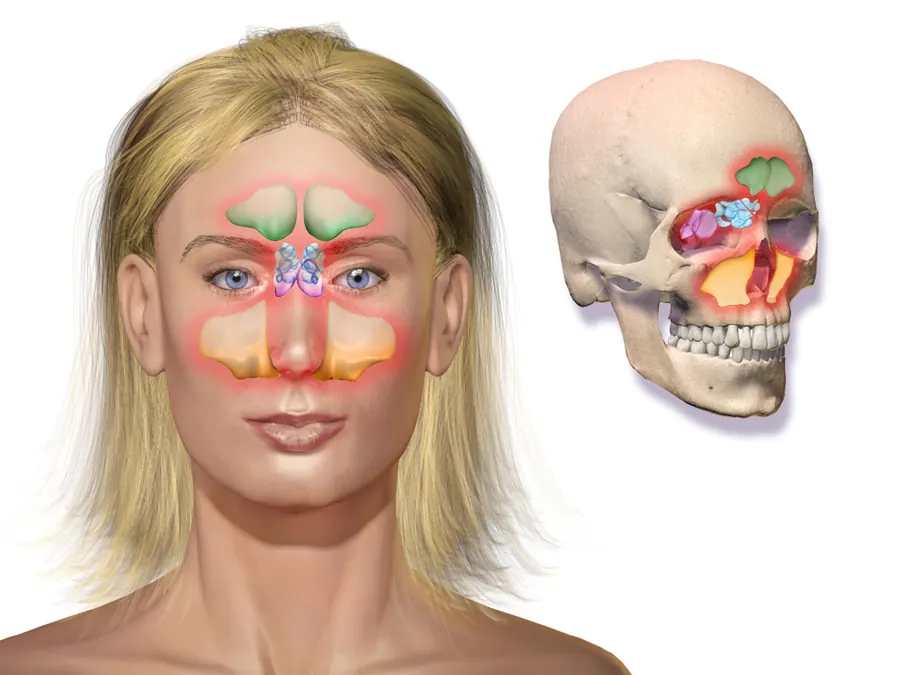
Sinusitis. Inflammation of the sinuses after a cold or with allergy causes facial pain, a blocked nose, thick discharge and reduced smell. The NHS describes most cases as settling within two to three weeks without antibiotics. Chronic sinusitis lasting months may need an ENT assessment and occasionally surgery.
Tonsillitis and sore throats. Most sore throats are viral and settle within a week. Tonsillitis causes severe throat pain, fever, swollen glands and difficulty swallowing. The NHS notes that tonsil removal is considered only for frequent, severe recurrent episodes. General practitioners manage most; ENT surgeons perform tonsillectomy.
Voice problems. Hoarseness from laryngitis usually clears within a week or two. The NHS advises assessment of hoarseness lasting more than three weeks, particularly in smokers, to rule out growths on the vocal cords. ENT specialists examine the voice box; speech therapists treat voice strain.
Snoring and sleep apnoea. Loud snoring with pauses in breathing, gasping and daytime sleepiness suggests obstructive sleep apnoea, which the NHS links to high blood pressure and other health problems if untreated. Diagnosis involves a sleep study; treatment includes weight loss, breathing devices worn at night and, in selected cases, ENT surgery. In children, large tonsils and adenoids are a common cause.
Lumps in the neck and head and neck cancer. A neck lump that persists for more than two to three weeks, a mouth ulcer that does not heal, persistent hoarseness, difficulty swallowing or one-sided ear pain without an ear cause should be assessed by an ENT specialist, who works with cancer teams when needed.
Prevention and self-care basics
- Protect your hearing. Keep personal audio at moderate volume and use ear protection in noisy workplaces and around machinery. The WHO (3 March 2026) notes that over one billion young adults are at risk of permanent, avoidable hearing loss from unsafe listening.
- Do not put cotton buds or other objects in the ear canal.
- Dry ears after swimming and avoid swimming in dirty water, which raises the risk of outer ear infection.
- Make sure children receive their routine immunisations, which prevent some causes of ear infection and hearing loss, and have their hearing checked if speech is delayed.
- Do not smoke, and keep children away from smoke; it increases ear infections, sinus problems and throat cancer risk.
- Rest your voice when hoarse and stay hydrated.
- Have hearing tested in later life; untreated hearing loss is linked to isolation and reduced quality of life.
When to see a professional
See a general practitioner or ENT specialist for ear pain or discharge lasting more than three days, hearing that seems reduced in one or both ears, a child whose speech is delayed or who does not respond to sounds, tinnitus or dizziness that persists, a blocked nose or sinus symptoms lasting more than three weeks, recurrent tonsillitis, hoarseness lasting more than three weeks, loud snoring with daytime sleepiness, or any lump in the neck. Audiologists can be seen directly for hearing tests and hearing aid care.
Warning signs that need urgent care
Seek urgent medical attention for:
- Sudden hearing loss in one or both ears, which is treated as an emergency because early treatment may help.
- Severe ear pain with a high fever, a stiff neck, severe headache, drowsiness or swelling and redness behind the ear.
- Difficulty breathing, noisy breathing (stridor) or drooling with a sore throat, especially in a child.
- A nosebleed that does not stop after 20 minutes of firm pressure, or follows a serious head injury.
- Sudden severe vertigo with weakness, double vision, slurred speech or difficulty walking, which can indicate a stroke rather than an ear problem.
- A button battery or other object lodged in the ear or nose of a child.
- Swelling of the face or neck that is spreading rapidly, or an inability to swallow saliva.
If you think you have a medical emergency, contact your local emergency services.
How to find and check a provider
HealthNaro lists ENT clinics, otolaryngologists and audiologists. Each listing carries a verification label describing what has been checked: Public listing, Contact verified, Reviewed by HealthNaro or Credentials verified. HealthNaro does not endorse providers; the labels describe our checks, not the quality of care.
Useful questions include whether the specialist is registered with the national medical regulator, whether hearing tests are carried out by a qualified audiologist, what a hearing aid price includes in terms of fitting and follow-up, and where any surgery would be performed. Browse providers by specialty:
Our consulting service is free: tell us what you need and we will help you find a suitable clinic.
Frequently asked questions
Should I see an ENT specialist or an audiologist for hearing loss? An audiologist is the right first step for gradual hearing loss, hearing tests and hearing aids. See an ENT specialist, urgently, for sudden hearing loss, or when hearing loss affects one ear only, is accompanied by pain or discharge, or has an unclear cause.
Do children grow out of ear infections and glue ear? Often, yes. Ear infections become less frequent as children grow, and the NHS notes that glue ear usually clears within three months. Persistent problems that affect hearing or speech should be assessed.
Can anything be done about tinnitus? There is no single cure, but treating any underlying hearing loss, sound therapy and counselling approaches help many people manage it. An audiologist can advise.
When does snoring need a doctor? When it is loud and accompanied by pauses in breathing, gasping, morning headaches or daytime sleepiness, or in a child who snores most nights. These can indicate sleep apnoea, which is treatable.
This page is general information, not medical advice.
Wenn Sie glauben, einen medizinischen Notfall zu haben, kontaktieren Sie sofort den örtlichen Notdienst oder gehen Sie in die nächste Notaufnahme. Warten Sie nicht auf die Antwort eines Verzeichniseintrags.
Brauchen Sie Hilfe bei der Suche nach einem Anbieter?
Sagen Sie uns, was Sie brauchen und wo. Wir melden uns bei Ihnen, verstehen Ihre Situation und helfen Ihnen, eine geeignete Klinik zu finden und auszuwählen. Dieser Service ist für Patienten kostenlos.
Passende Lektüre
-
Blogbeitrag
Hearing loss: early signs and when to have a hearing test
The everyday signs that hearing may be changing, how it differs in children and adults, which symptoms need urgent attention, and what a hearing test involves.
1 November 2026
-
Ratgeber
An ENT consultation: what an ear, nose and throat specialist checks
When to see an ENT specialist for ear, nose, sinus or throat problems, how the examination is done, what tests may follow and the questions to ask.
31 Oktober 2026
-
Ratgeber
A hearing test: what happens, who should have one and what the results mean
The difference between a hearing screening and a full evaluation, the tests an audiologist uses, how to prepare, and what happens if hearing loss is found.
31 Oktober 2026