Diagnostics: common tests, what they look for and finding a laboratory or imaging centre
What radiology and laboratory medicine cover, the conditions that most often need blood tests or imaging, how to prepare for a test, warning signs that need urgent care, and how to check a diagnostic provider.
- Verfasst von
- HealthNaro Editorial Team
- Veröffentlicht
How this page was made: Drafted by the HealthNaro Editorial Team with AI assistance, checked against reputable health sources, and not yet clinically reviewed. Editorial policy
Noch nicht klinisch geprüft
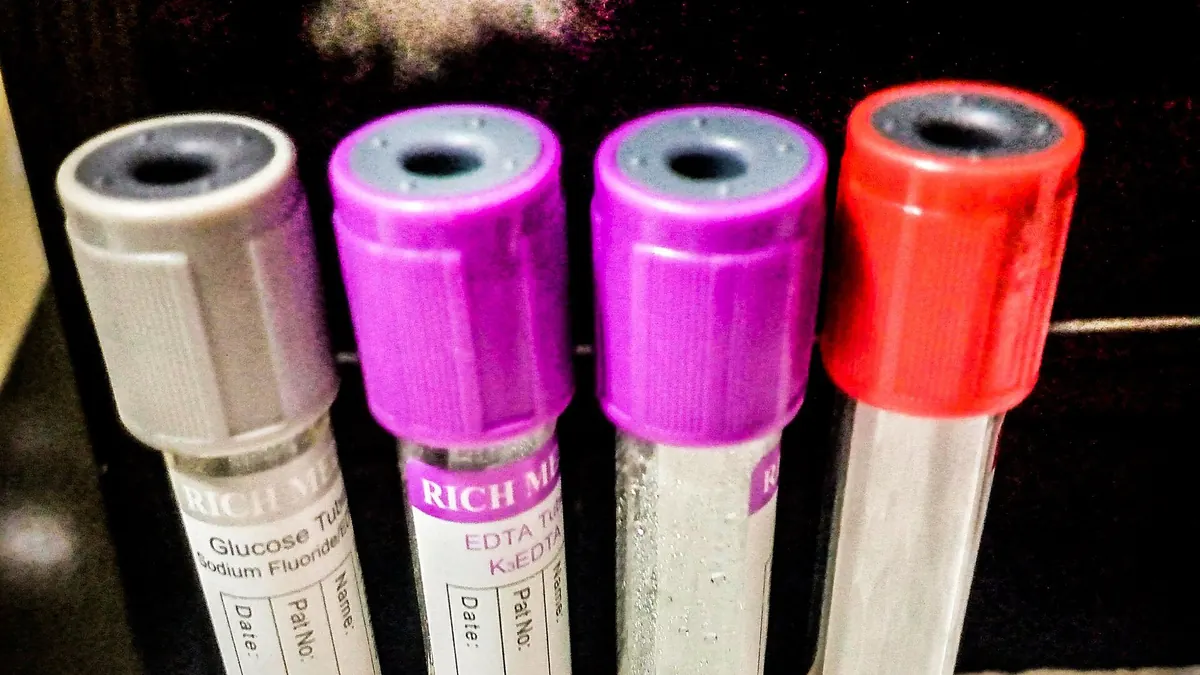
Most medical decisions rest on a test result: a blood count, a malaria slide, a chest X-ray, an ultrasound scan. Diagnostics is the part of healthcare that produces those results. This page explains what the field covers, the conditions that most often call for testing, how to prepare, and how to find and check a laboratory or imaging centre.
What this field covers
Laboratory medicine analyses blood, urine, stool, swabs and tissue to detect infection, measure organ function, screen for disease and monitor treatment. It is led by pathologists and run day to day by laboratory scientists and technologists. Radiology produces and interprets images of the inside of the body: plain X-rays, ultrasound, computed tomography (CT) and magnetic resonance imaging (MRI), as well as mammography and bone density scans. Radiologists are doctors who report the images; radiographers and sonographers carry out the examinations.
Tests are usually requested by a treating clinician, who interprets the result in the light of your symptoms and examination.
Common problems
Malaria. In areas where malaria is transmitted, every fever should be tested before treatment. The WHO malaria fact sheet (4 December 2025) stresses prompt diagnosis by microscopy or rapid diagnostic test. Laboratories provide the test; the requesting clinician, usually in general practice or paediatrics, treats.
Anaemia. Tiredness, breathlessness and pallor are investigated with a full blood count, which the NHS describes as measuring the number of blood cells to check for conditions such as iron deficiency anaemia. Further tests identify the cause. General practitioners and physicians manage treatment.
Diabetes and blood sugar problems. Fasting glucose, random glucose and HbA1c tests diagnose diabetes and track control over time. Urine tests detect sugar and protein. Results are managed by general practitioners and internal medicine physicians.
Infections, including HIV, hepatitis and typhoid. Blood tests, urine culture, stool tests and swabs identify the organism and the antibiotics it responds to. The NHS notes that HIV testing is the only way to know whether you have the virus, and that early diagnosis allows effective treatment. Sexual health clinics, general practitioners and physicians act on results.
Tuberculosis. A cough lasting more than two to three weeks is investigated with sputum tests and a chest X-ray. The WHO (24 March 2026) describes TB as preventable and curable, and rapid molecular tests are now widely used alongside microscopy. National TB programmes and physicians manage treatment.
Kidney disease. Blood tests for creatinine and urine tests for protein detect chronic kidney disease, which the NHS notes often has no symptoms in its early stages and is frequently linked to diabetes and high blood pressure. Ultrasound shows kidney size and obstruction. Physicians and nephrologists manage care.
Thyroid disorders. An underactive or overactive thyroid causes tiredness, weight change, palpitations or feeling cold, and is diagnosed with thyroid function blood tests. The NHS notes that an underactive thyroid is common and treatable. General practitioners and endocrinologists manage it.
High cholesterol and heart risk. A lipid profile measures cholesterol; an ECG records heart rhythm and an echocardiogram images the heart. Together they inform risk assessment by general practitioners and cardiologists.
Fractures and bone or joint problems. The NHS describes X-ray as the first test to check bones for a fracture after an accident and for problems in the teeth and lungs. CT gives more detail of complex fractures; MRI shows ligaments, cartilage and discs. Orthopaedic surgeons and physiotherapists act on the findings.
Pregnancy monitoring. Ultrasound, which uses sound waves rather than radiation, confirms dates, checks the baby's growth and position and examines the placenta. Blood tests in pregnancy screen for anaemia, blood group and infections. Midwives and obstetricians request and act on them.
Abdominal and pelvic conditions. Gallstones, kidney stones, liver disease, fibroids and ovarian cysts are commonly assessed with ultrasound, with CT or MRI when more detail is needed. Results go back to the requesting surgeon, gynaecologist or physician.
Cancer detection and staging. Mammography, cervical screening samples, tissue biopsies examined by pathologists, and CT or MRI scans to assess the extent of a cancer are central to cancer care.
Prevention and self-care basics
In diagnostics, prevention means getting a reliable result and avoiding unnecessary tests:
- Have tests requested by a clinician who will interpret and act on them, rather than self-ordering panels whose results you then have to make sense of alone.
- Follow preparation instructions exactly. Some blood tests need fasting; some scans require a full bladder, an empty stomach or stopping certain medicines. Ask if you are unsure.
- Tell staff if you are or might be pregnant before any X-ray or CT scan, and tell them about metal implants, pacemakers or claustrophobia before an MRI.
- Bring previous results and a list of your medicines; some drugs alter test values.
- Keep your own copies of results so that repeat tests can be compared over time.
- Ask how long results will take and how you will receive them, and follow up if they do not arrive.
- Use screening tests appropriate to your age and risk, such as cervical screening, blood pressure and blood sugar checks, rather than untargeted whole-body scans.
The WHO fact sheet on ionising radiation (27 July 2023) notes that medical X-rays are a beneficial use of radiation but that low doses can slightly increase long-term cancer risk, which is why imaging that uses radiation should be done when it is justified and with the lowest dose that answers the question.
When to see a professional
See a clinician, rather than going straight to a laboratory, when you have symptoms that need explaining, so that the right tests are chosen. Ask for a test review if you have had an abnormal result and no one has explained it, if you have a long-term condition and have not had monitoring tests for a year, or if a test done elsewhere has given a result that does not fit how you feel. Pregnant women should attend the scans and blood tests in their antenatal schedule. Anyone who has had unprotected sex or shared needles should seek an HIV and sexual health test.
Warning signs that need urgent care
Diagnostic tests take time; some situations should not wait for results. Seek emergency care immediately for:
- Chest pain, sudden breathlessness, or signs of stroke such as face drooping, arm weakness or slurred speech.
- Fever with confusion, a stiff neck, a non-fading rash, or in a baby under three months.
- Suspected malaria with drowsiness, repeated vomiting, convulsions, difficulty breathing or inability to drink, which the WHO lists among features of severe malaria.
- Severe abdominal pain with vomiting, a rigid abdomen or blood in vomit or stool.
- Heavy bleeding in pregnancy or severe one-sided pelvic pain with a missed period.
- A severe allergic reaction to a contrast injection during a scan, with swelling, breathing difficulty or collapse.
- An injury with a deformed limb, inability to bear weight or loss of consciousness.
If you think you have a medical emergency, contact your local emergency services.
How to find and check a provider
HealthNaro lists diagnostic centres, medical laboratories and imaging services. Each listing carries a verification label describing what has been checked: Public listing, Contact verified, Reviewed by HealthNaro or Credentials verified. HealthNaro does not endorse providers; the labels describe our checks, not the quality of testing.
It is reasonable to ask a laboratory whether it is licensed by the national regulator and whether it takes part in external quality assurance, who reports imaging and whether that person is a registered radiologist, how long results take, and how your results are kept confidential. Browse providers by specialty:
Our consulting service is free: tell us what you need and we will help you find a suitable clinic.
Frequently asked questions
Can I walk into a laboratory and ask for tests without a doctor? Many laboratories allow it. The risk is receiving results you cannot interpret, missing the test you actually needed, or paying for tests that add nothing. A clinician's request usually gives you a better-targeted and more useful result.
Is an MRI better than a CT scan? Neither is better in general. The NHS explains that CT is quick and shows bones, lungs and bleeding well, while MRI uses no radiation and gives detailed images of soft tissues such as the brain, spine and joints. The right test depends on the question.
Are X-rays and CT scans safe? They use ionising radiation. A single X-ray involves a very small dose; CT doses are higher. Both are considered justified when the information is needed, and the WHO notes that benefit should outweigh risk for each examination.
Why does the same test give different results at two laboratories? Methods, reference ranges and sample handling differ between laboratories, and some values vary with the time of day or fasting. Repeat tests are easiest to compare when done at the same laboratory.
This page is general information, not medical advice.
Wenn Sie glauben, einen medizinischen Notfall zu haben, kontaktieren Sie sofort den örtlichen Notdienst oder gehen Sie in die nächste Notaufnahme. Warten Sie nicht auf die Antwort eines Verzeichniseintrags.
Brauchen Sie Hilfe bei der Suche nach einem Anbieter?
Sagen Sie uns, was Sie brauchen und wo. Wir melden uns bei Ihnen, verstehen Ihre Situation und helfen Ihnen, eine geeignete Klinik zu finden und auszuwählen. Dieser Service ist für Patienten kostenlos.
Passende Lektüre
-
Blogbeitrag
How to read your health check-up results
What a reference range is, why a result slightly outside it is not a diagnosis, how blood pressure and cholesterol results are used, and how to prepare questions for the person who explains them.
1 November 2026
-
Ratgeber
Blood tests: how they are done, how to prepare and how to read your results
What common blood tests check, fasting and other preparation, what happens when blood is taken, how long results take and why a result outside the range is not always a problem.
31 Oktober 2026
-
Ratgeber
X-ray, ultrasound, CT and MRI scans: how they differ and what to expect
How the four main imaging tests work, which use radiation, how to prepare, how long each takes, what contrast dye involves and how results reach you.
31 Oktober 2026