Cardiology: common heart conditions, prevention and finding a heart specialist
What cardiology covers, the heart and circulation problems people most often need help with, how to lower your risk, the symptoms that need emergency care, and how to check a heart clinic.
- Escrito por
- HealthNaro Editorial Team
- Publicado
How this page was made: Drafted by the HealthNaro Editorial Team with AI assistance, checked against reputable health sources, and not yet clinically reviewed. Editorial policy
Aún sin revisión clínica
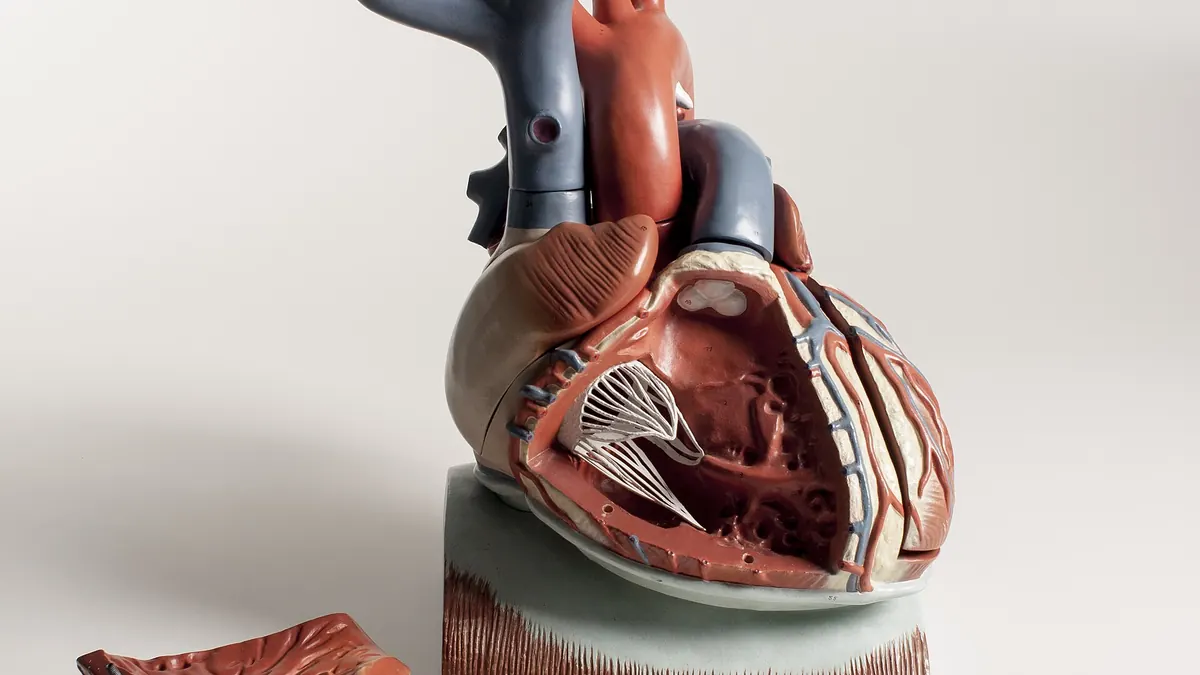
Heart and circulatory diseases are the leading cause of death worldwide, yet much of the risk can be reduced. This page explains what cardiology covers, the problems that most often bring people to a heart clinic, how to protect your heart, and how to find and check a provider.
What this field covers
Cardiologists are physicians who diagnose and treat diseases of the heart and blood vessels. Their work includes assessing chest pain, palpitations and breathlessness; managing high blood pressure, high cholesterol, heart failure and rhythm disorders; and interpreting tests such as the electrocardiogram (ECG), echocardiogram (ultrasound of the heart), exercise tests and heart monitors. Interventional cardiologists perform procedures through blood vessels, such as angiography and stents; cardiac surgeons carry out bypass and valve operations. General practitioners manage most blood pressure and cholesterol care and refer to a cardiologist when needed.
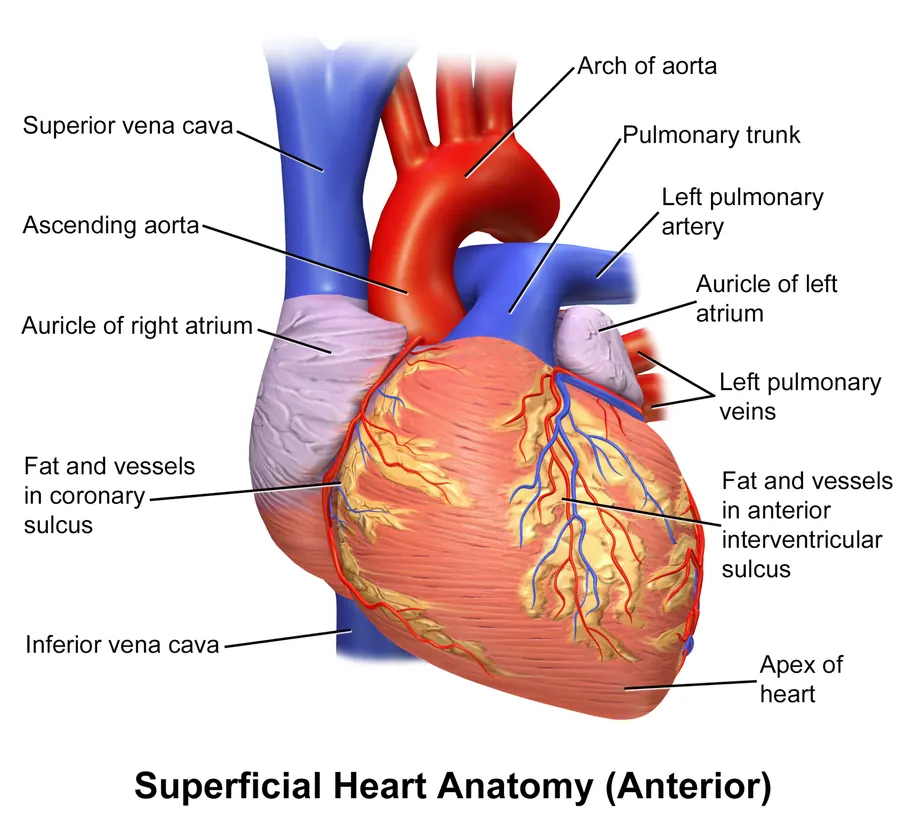
The WHO cardiovascular diseases fact sheet (31 July 2025) reports that an estimated 19.8 million people died from cardiovascular diseases in 2022, about 32% of all global deaths, that 85% of these were due to heart attack and stroke, and that over three quarters occurred in low- and middle-income countries.
Common problems
High blood pressure (hypertension). Persistently raised pressure in the arteries is the single largest risk factor for heart disease and stroke. It rarely causes symptoms, so it is found by measurement. The WHO hypertension fact sheet (25 September 2025) estimates that 1.4 billion adults aged 30 to 79 had hypertension in 2024 and that only about 23% had it controlled. General practitioners manage most cases; cardiologists see resistant or complicated hypertension.
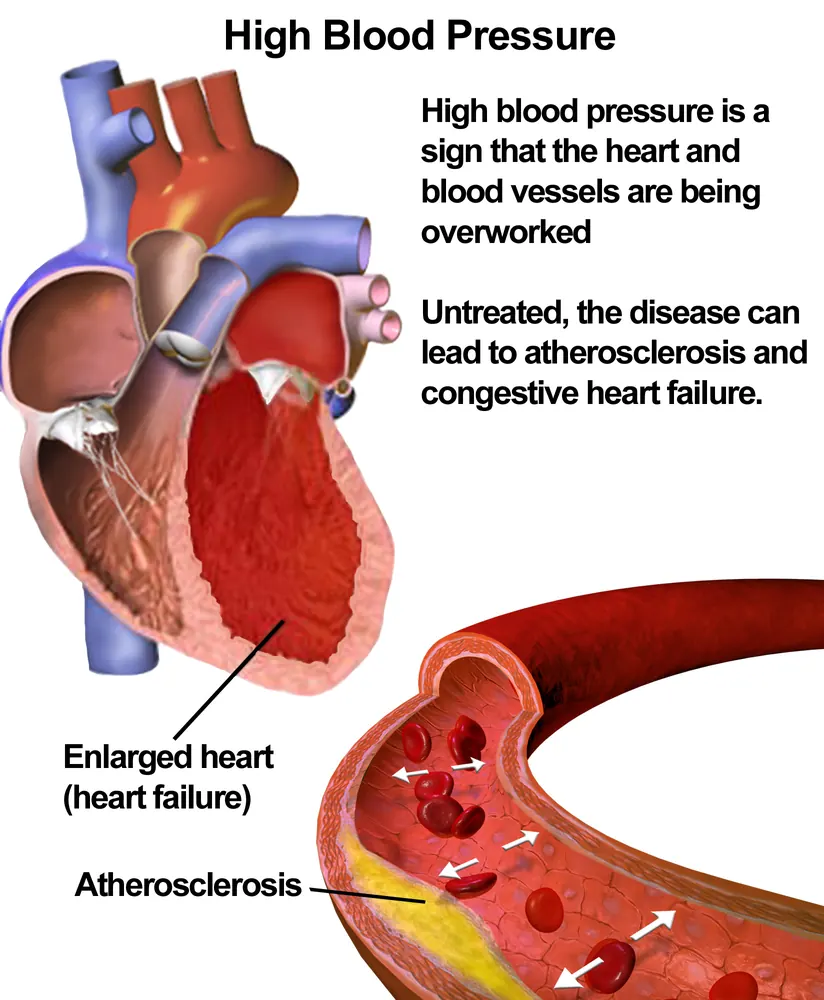
Coronary heart disease. Fatty deposits narrow the arteries that supply the heart muscle. The NHS describes the main symptoms as chest pain (angina), breathlessness and, when an artery blocks completely, a heart attack. Cardiologists diagnose it with ECG, stress tests and angiography and treat it with medicines, stents or bypass surgery.
Heart attack. A heart attack happens when blood flow to part of the heart muscle is suddenly cut off. The NHS lists chest pain or pressure that may spread to the arms, neck, jaw or back, together with sweating, breathlessness, nausea and light-headedness, and notes that the pain is not always severe and can feel like indigestion. It is an emergency treated in hospital by cardiologists; the sooner treatment starts, the more heart muscle is saved.
Heart failure. The heart cannot pump as well as it should, often after a heart attack, long-standing high blood pressure or valve disease. Breathlessness on exertion or lying flat, swollen ankles and tiredness are typical. The NHS describes it as a long-term condition that can usually be controlled with medicines and lifestyle changes. Cardiologists and general practitioners share care.
Abnormal heart rhythms (arrhythmias). Atrial fibrillation is the most common, causing an irregular, often fast heartbeat, palpitations, dizziness or breathlessness, and increasing the risk of stroke. Other rhythm problems range from harmless extra beats to dangerous fast rhythms. Cardiologists treat them with medicines, procedures or pacemakers.
Stroke. Stroke is closely linked to heart disease, high blood pressure and atrial fibrillation. The NHS FAST test describes the signs: Face drooping, Arm weakness, Speech difficulty, Time to call emergency services. Cardiologists help prevent stroke by treating its causes; stroke itself is managed by physicians and neurologists.
High cholesterol. Excess cholesterol in the blood builds up in artery walls. It causes no symptoms and is found by a blood test. The NHS notes that it is influenced by diet, weight, activity, smoking and inheritance, and that medicines are used when lifestyle change is not enough. General practitioners manage most cases; cardiologists and lipid clinics see inherited or severe cases.
Valve disease and rheumatic heart disease. Heart valves can narrow or leak with age, infection or, in rheumatic heart disease, after repeated untreated throat infections in childhood. The WHO (24 January 2025) describes rheumatic heart disease as the most commonly acquired heart disease in people under 25, affecting an estimated 55 million people, the large majority in low- and middle-income countries. Breathlessness, tiredness and a murmur are typical. Cardiologists diagnose it with echocardiography; surgeons repair or replace valves.
Congenital heart disease. Heart defects present from birth range from small holes that close on their own to complex malformations needing surgery in infancy. The NHS lists breathlessness, poor feeding, blue tinge to the skin and poor growth as signs in babies. Paediatric cardiologists and cardiac surgeons manage it, and many people now need follow-up into adulthood.
Peripheral arterial disease. Narrowed arteries in the legs cause cramping pain on walking that eases with rest. The NHS describes it as a marker of higher heart attack and stroke risk. Vascular surgeons and cardiologists manage it, with stopping smoking and exercise as core treatments.
Cardiomyopathy. Diseases of the heart muscle itself, some inherited and some linked to infection, pregnancy or alcohol, can lead to heart failure or rhythm problems. Cardiologists investigate unexplained breathlessness, fainting or a family history of sudden death.
Prevention and self-care basics
The WHO identifies tobacco use, unhealthy diet, physical inactivity, harmful use of alcohol and air pollution as the main modifiable risk factors for cardiovascular disease. In practice:
- Have your blood pressure checked regularly from early adulthood, and if it is raised, take treatment consistently; high blood pressure cannot be felt.
- Do not smoke, and avoid second-hand smoke.
- Eat plenty of vegetables, fruit, legumes and whole grains; limit salt, sugar, fried food and processed meat.
- Be physically active most days of the week.
- Keep alcohol low or avoid it.
- Keep to a healthy weight and have your blood sugar and cholesterol checked at the intervals your doctor advises.
- If you have had a heart attack, stent or heart surgery, take part in cardiac rehabilitation and take prescribed medicines exactly as directed.
- Treat sore throats in children promptly to reduce the risk of rheumatic fever where it is common.
When to see a professional
See a general practitioner for a blood pressure check, for breathlessness that is new or worsening, for palpitations, for swollen ankles, for chest discomfort on exertion, for dizziness or fainting, or if close relatives had heart disease or sudden death at a young age. A cardiologist is usually seen on referral, or directly in private practice, for abnormal test results, persistent symptoms, a heart murmur or a known heart condition that needs monitoring.
Warning signs that need urgent care
Call emergency services immediately for:
- Chest pain, pressure or tightness lasting more than a few minutes, or coming and going, especially with sweating, nausea, breathlessness or pain spreading to the arm, neck, jaw or back.
- Sudden face drooping, arm weakness or speech difficulty, which are signs of stroke.
- Sudden severe breathlessness, or breathlessness with blue lips or frothy sputum.
- Fainting or collapse, particularly during exertion or with palpitations.
- A very fast or very irregular heartbeat with dizziness, chest pain or breathlessness.
- A cold, pale, painful limb, which can indicate a blocked artery.
If you think you have a medical emergency, contact your local emergency services.
How to find and check a provider
HealthNaro lists heart clinics and cardiologists. Each listing carries a verification label describing what has been checked: Public listing, Contact verified, Reviewed by HealthNaro or Credentials verified. HealthNaro does not endorse providers; the labels describe our checks, not the quality of care.
Useful questions include whether the cardiologist is registered as a specialist with the national medical regulator, which tests (ECG, echocardiogram, monitoring) are available on site, where procedures are performed, and how results are shared with your general practitioner. Browse providers by specialty:
Our consulting service is free: tell us what you need and we will help you find a suitable clinic.
Frequently asked questions
Do I need to see a cardiologist for high blood pressure? Most people are managed by a general practitioner. A cardiologist is appropriate if blood pressure is hard to control, if there are complications, or if you are young with no obvious cause.
What is the difference between an ECG and an echocardiogram? An ECG records the heart's electrical activity and is used for rhythm problems and heart attacks. An echocardiogram is an ultrasound scan that shows the heart's structure and pumping, and is used for valve disease, heart failure and congenital conditions.
Can heart disease be reversed? Risk factors can be reduced, and symptoms and progression can often be controlled with lifestyle change and treatment. Damage already done, such as scarring after a heart attack, cannot usually be undone, which is why early action matters.
Are palpitations always serious? Often not; extra beats and awareness of a fast heartbeat under stress are common. Palpitations with dizziness, chest pain, fainting or breathlessness should be assessed.
Is heart disease only a problem for older people? No. Rheumatic heart disease, congenital heart disease and inherited heart muscle conditions affect children and young adults.
This page is general information, not medical advice.
Si cree que tiene una emergencia médica, contacte de inmediato con los servicios de emergencia locales o acuda al servicio de urgencias más cercano. No espere la respuesta de una ficha de directorio.
¿Necesita ayuda para encontrar cardiology?
Díganos qué necesita y dónde. Nos ponemos en contacto con usted, entendemos su situación y le ayudamos a encontrar y elegir una clínica adecuada. Este servicio es gratuito para los pacientes.
Lecturas relacionadas
-
Entrada de blog
Measuring blood pressure at home: a step-by-step guide
A practical, step-by-step guide to measuring blood pressure at home, how to record readings, what the two numbers mean and when to take the readings to a doctor.
1 noviembre 2026
-
Guía
A cardiology check-up, ECG and echocardiogram: what to expect
When a heart assessment is recommended, what a cardiologist asks and examines, how an ECG and an echocardiogram are done, and what the tests can and cannot show.
31 octubre 2026