Tooth extraction in Kenya: cost, wisdom teeth and aftercare
What a simple or surgical extraction involves, SHA tariffs and other reported costs in Kenya, and a day-by-day aftercare guide to avoid dry socket.
- Written by
- HealthNaro Editorial Team
- Published
How this page was made: Drafted by the HealthNaro Editorial Team with AI assistance, checked against reputable health sources, and not yet clinically reviewed. Editorial policy
Not yet clinically reviewed
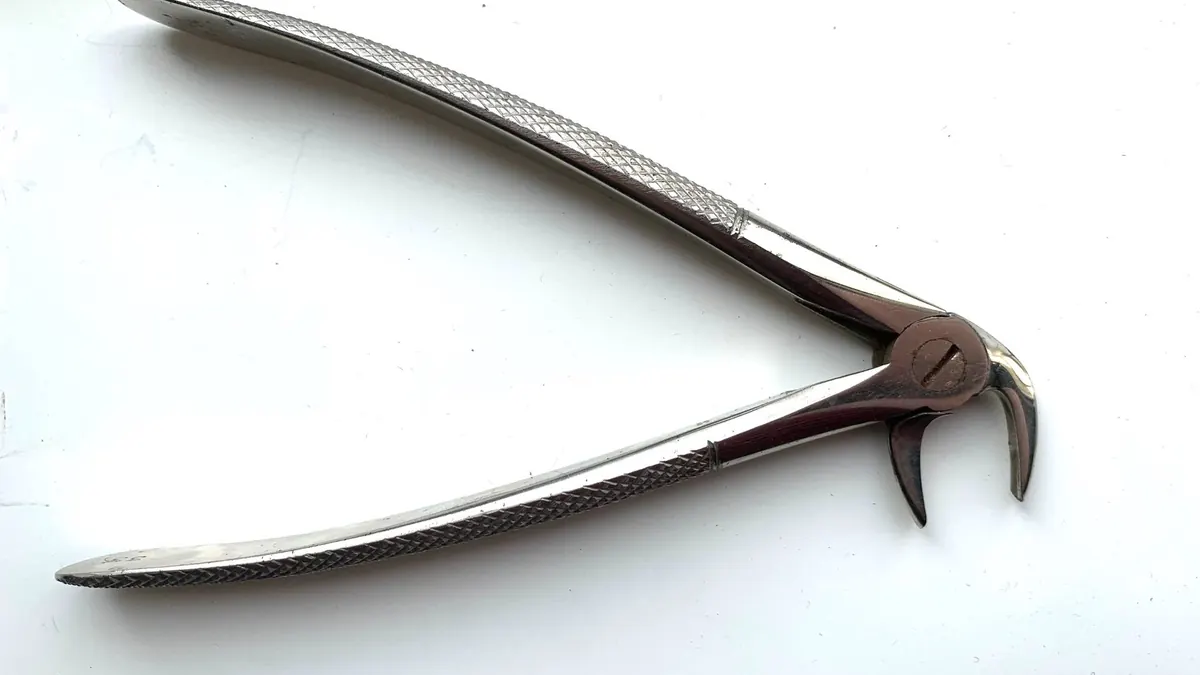
Having a tooth removed is one of the most common dental procedures in Kenya, partly because it is the cheapest way to end toothache when a tooth cannot be saved. This guide explains the difference between a simple and a surgical extraction, what the Social Health Authority pays, what else has been reported about cost, and how to look after the socket so it heals cleanly.
Simple versus surgical extraction
A simple extraction is done under local anaesthetic with instruments that loosen and lift the tooth. A surgical extraction is needed when a tooth is broken at the gum line, has curved roots or is impacted, meaning it has not come through properly. Wisdom teeth are the usual example. The NHS explains that wisdom teeth may need removing if there is not enough room for them, causing pain, swelling, gum infection, trapped food, decay or cysts. A wisdom tooth that causes no trouble is normally left alone and monitored.
For a surgical removal, the NHS says the dentist or oral surgeon may cut the gum, widen the socket and take the tooth out whole or in two or three pieces, using dissolvable stitches if needed. It usually takes a few minutes and rarely more than 40 minutes, and most people go home the same day. Sedation or a general anaesthetic may be offered for difficult cases or anxious patients, which adds to the cost.
What extraction costs in Kenya
Under SHA. The Social Health Authority's published oral health tariffs set tooth extraction at KES 650, screening and consultation at KES 300, suturing under local anaesthetic at KES 1,000 and dry socket debridement at KES 750, all within an annual limit of KES 2,000 per household. SHA notes that services are available only at contracted facilities whose dental units agree to those tariffs, so confirm with the facility first.
Paying privately. There is no national price list. A 2016 Strathmore University MBA dissertation estimated the actual cost of providing an extraction at two privately owned Nairobi clinics at about KES 1,536 and KES 1,625, and found that prices charged were generally marked up well above cost. An undated patient blog on Abacus.co.ke reported consultation fees of about KES 100 at Mama Lucy Kibaki Hospital, KES 500 at Kenyatta National Hospital and KES 1,000 to 2,000 at larger private hospitals. Surgical extractions of impacted wisdom teeth, especially under sedation at a private hospital, cost considerably more than a simple extraction, and X-rays are usually billed separately.
Fees vary by city, by facility and by how difficult the tooth is. Ask for a written quote that states whether it covers the consultation, X-ray, anaesthetic, the extraction itself and the review visit.
What to expect afterwards
Most people recover from a simple removal within a few days, and the Primary Health Care Corporation advises avoiding strenuous exercise for one to two days; a difficult surgical extraction may need one to three days off. Pain, swelling, bruising and a stiff jaw are normal for up to two weeks, and should start improving after a day or two.
Aftercare: the first 24 hours
The blood clot that forms in the socket is what allows it to heal, so the first day is about protecting it. Guidance from Qatar's Primary Health Care Corporation and the NHS agrees on the essentials:
- Bite firmly on the gauze pad for about an hour, replacing it if it soaks through. Do not chew on it. If bleeding restarts, press a clean folded cloth or gauze on the site for at least ten minutes.
- Do not rinse, spit forcefully or gargle for the first eight to ten hours; vigorous rinsing can dislodge the clot.
- Do not drink through a straw, and do not smoke. Both create suction or chemicals that disturb the clot and delay healing.
- Avoid hot food and drinks, alcohol and strenuous exercise for the rest of the day.
- Eat soft, cool foods such as yoghurt, porridge, mashed potato or scrambled eggs, chewing on the other side.
- Use a cold compress on the cheek to limit swelling.
- Take paracetamol or ibuprofen as advised. Do not exceed the recommended dose.
- Your lip and tongue will be numb for a few hours; take care not to bite them.
Aftercare: day two onwards
From the next day, rinse gently with warm salt water (half a teaspoon in a cup) after meals, brush the rest of your teeth normally while avoiding the socket, and move gradually back to a normal diet while skipping hard or seedy foods that could lodge in the wound. Keep any review appointment, particularly if you had stitches.
Dry socket and other complications
The NHS describes dry socket as a painful condition in which the clot fails to form or is lost before the gum heals, exposing bone. It typically shows as worsening pain a few days after the extraction, often with a bad taste or smell. It is treatable: a dentist cleans the socket and places a dressing, which is the "dry socket debridement" item on the SHA tariff. Infection and, after lower wisdom tooth removal, temporary numbness of the lip, tongue or chin are other recognised complications.
When to see a dentist
Go back to the dentist, or to a hospital emergency department if the dentist is closed, if you have bleeding that will not stop with pressure, severe or worsening pain and swelling that painkillers do not help, pain with a bad taste, fever or chills, or redness and swelling spreading from the socket. The NHS also advises urgent help if swelling makes it hard to breathe or swallow.
Once a permanent tooth is removed, the gap can let neighbouring teeth drift. Ask your dentist about replacement options such as a bridge, denture or implant once the socket has healed.
This guide is general information and not medical advice. Prices mentioned come from SHA's published tariffs, a 2016 study and undated patient reports; they vary by clinic and city, so confirm current fees directly.
If you think you have a medical emergency, contact your local emergency services or go to the nearest emergency department straight away. Do not wait for a reply from a directory listing.
Need help finding oral and maxillofacial surgery?
Tell us what you need and where. We contact you, understand your situation and help you find and choose a suitable clinic. This service is free for patients.
Related guides
-
Guide
A child's dental check-up: first visits, fluoride varnish and fissure sealants
When to take a child to the dentist for the first time, what the visit involves, the preventive treatments that may be offered and how to make it a calm experience.
31 October 2026
-
Guide
Crowns and bridges: when they are used and what the process involves
How a crown protects a weakened tooth, how a bridge replaces a missing one, the appointments involved, aftercare and the factors that drive the price.
31 October 2026
-
Guide
Dental fillings: materials, what happens and how to look after them
Why a filling is needed, the difference between composite, amalgam and glass ionomer, what the appointment involves, and what the regulators say about amalgam.
31 October 2026