Physiotherapy for back pain: what treatment involves and what the evidence supports
How a physiotherapist assesses low back pain, why exercise and staying active are the core of treatment, what manual therapy adds, and the warning signs that need urgent care.
- Verfasst von
- HealthNaro Editorial Team
- Veröffentlicht
How this page was made: Drafted by the HealthNaro Editorial Team with AI assistance, checked against reputable health sources, and not yet clinically reviewed. Editorial policy
Noch nicht klinisch geprüft
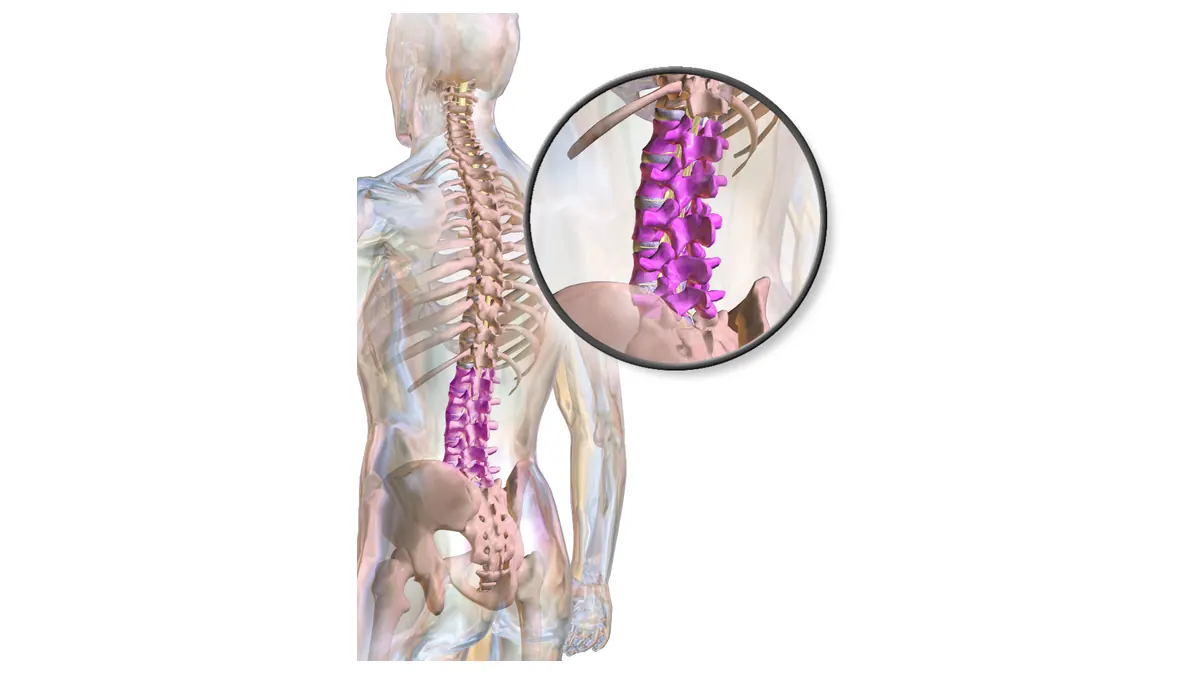
What it is
Physiotherapy for back pain is an assessment-led programme of exercise, education and, where useful, hands-on treatment, delivered by a physiotherapist. The NHS physiotherapy page (reviewed 3 April 2025) describes the main approaches as exercises to improve joint movement and muscle strength, manual therapy using the hands to mobilise and massage, and sometimes other techniques such as hydrotherapy. The aim is to reduce pain, restore movement and confidence, and give you the means to manage flare-ups yourself.
Low back pain is the most common musculoskeletal problem in the world. The World Health Organization's low back pain fact sheet (19 June 2023) reports that it affected 619 million people in 2020, that it is the single leading cause of disability globally, and that around 90 percent of cases are non-specific, meaning no particular disease or structural cause can be identified. The WHO classes pain as acute (under six weeks), sub-acute (six to twelve weeks) or chronic (over twelve weeks).
Who it is for and when it is recommended
Physiotherapy is suitable for most people with non-specific low back pain, with or without leg pain (sciatica), whether it is a first episode, a recurrence or a long-standing problem. The NHS back pain page (reviewed 5 March 2026) notes that back pain usually improves within a few weeks and advises staying active; it suggests seeing a GP or a musculoskeletal service if pain has not improved after a few weeks of self-care, and notes that in many areas you can access physiotherapy directly without a GP referral.
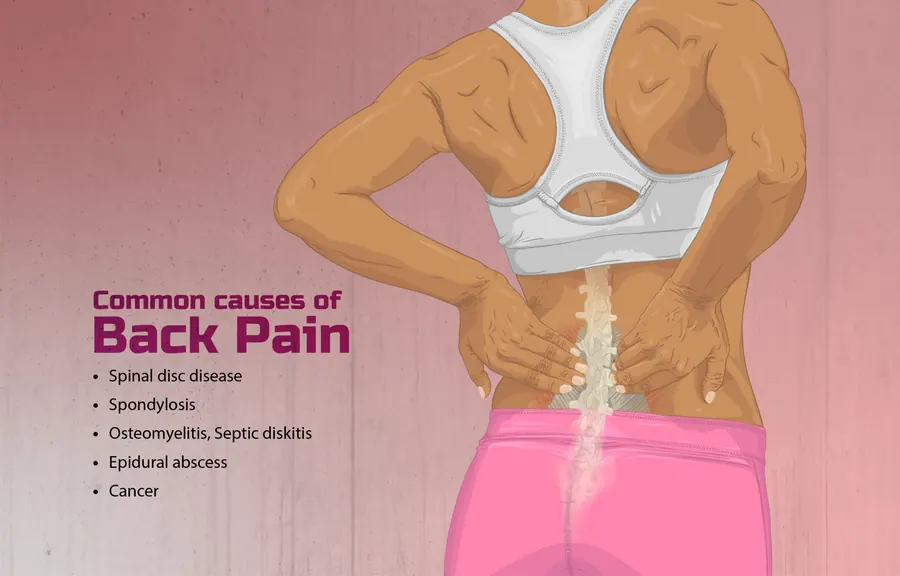
Some symptoms need urgent medical assessment rather than physiotherapy. The NHS lists numbness, tingling or weakness in both legs, and changes in bladder or bowel control, as reasons to seek urgent help; back pain with fever, unexplained weight loss, a history of cancer, or following a significant fall or accident should also be assessed by a doctor promptly.
What happens at the appointment
Assessment (first visit, often 45 to 60 minutes). The physiotherapist asks about how the pain started, where it is, what makes it better and worse, how it affects work, sleep and activity, your general health and what you believe is going on. They screen for the warning signs above. The physical examination looks at posture, range of movement, strength, nerve function in the legs and how you move in everyday tasks. NICE guideline NG59, Low back pain and sciatica in over 16s (last reviewed July 2026), supports using a risk stratification tool at first contact to match the intensity of treatment to the likelihood of a poor outcome.
Explanation and plan. You should leave with an understanding of why you have pain, a reassurance that most non-specific back pain is not dangerous, and a plan.
Treatment (follow-ups, often 20 to 40 minutes). NG59 recommends considering a group exercise programme, which may be biomechanical, aerobic, mind-body or a combination, and recommends manual therapy such as spinal mobilisation, manipulation or massage only as part of a package that includes exercise. Education on self-management is central. Some clinics offer acupuncture or electrotherapy; NG59 does not recommend acupuncture for low back pain, and does not recommend electrotherapies such as TENS or ultrasound either.
The number of sessions varies; the NHS notes the physiotherapist will discuss how many you may need.
How to prepare
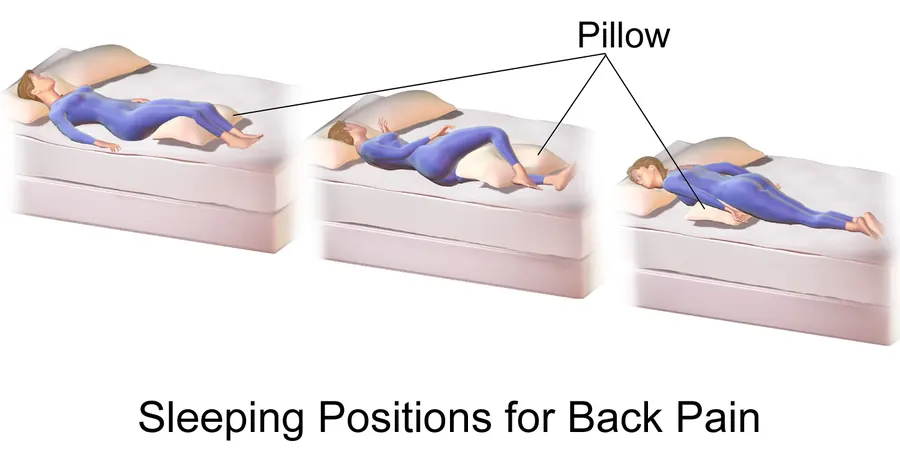
Wear loose clothing you can move in. Bring any scan or X-ray reports, a list of medicines and a note of what you have already tried. Be ready to describe a typical day and what you want to get back to doing, because goals shape the programme. Think about your work demands and sleeping position. If you are anxious about moving because of pain, say so; addressing that fear is part of the treatment.
Afterwards and recovery
Expect to be given exercises to do at home between sessions. The NHS stresses that doing them regularly is important for recovery. Some soreness after exercise or manual therapy is normal and usually settles within a day or two; sharp or escalating pain, or new leg symptoms, should be reported. Progress in chronic back pain is often measured in function (walking further, sleeping better, returning to work) rather than pain scores alone. Plan for flare-ups: ask what to do when one happens so you are not starting from scratch.
Risks and limitations (sourced)
Exercise-based physiotherapy is low risk; temporary soreness is the most common effect. Manual therapy, including manipulation, can cause short-term discomfort and carries rare but serious risks, which a physiotherapist should discuss. The biggest limitation is expectation. The WHO notes that non-specific low back pain cannot usually be traced to a single structural cause, so treatments that promise to fix a named structure are often over-stated. NG59 advises against routinely offering imaging in non-specialist settings, because scans frequently show age-related changes that are not the source of pain and can lead to unnecessary worry and treatment. Recovery is rarely a straight line, and the goal of physiotherapy is to make you more able to manage pain independently rather than dependent on repeat sessions.
What affects the cost
Fees vary by country, city and clinic, and some public systems provide physiotherapy free or on referral. Factors include:
- Length of the first assessment compared with follow-up sessions.
- Number of sessions, which depends on your goals and progress.
- One-to-one versus group exercise classes.
- Additional modalities offered (acupuncture, electrotherapy, hydrotherapy), which add cost and, as noted above, limited supported benefit for back pain.
- Home visits or sports-specific services.
- Coverage by a national scheme or insurance, and whether a doctor's referral is required for cover.
Ask what a course is likely to involve and the price per session in writing. HealthNaro does not publish prices unless they come from a named, dated source.
Questions to ask the provider
- What do you think is causing my pain, and is there anything that worries you?
- Do I need a scan? (If the answer is yes, ask how the result would change treatment.)
- What will the programme involve, and how much of it will I do myself?
- How many sessions do you expect, and how will we know it is working?
- What should I do during a flare-up?
- Which activities can I keep doing now, including work and sport?
- What is your registration and your experience with back pain?
How to find and check a provider
HealthNaro lists physiotherapy centres and physiotherapists with a verification label on every listing. Public listing means the details came from public sources and have not yet been checked. Contact verified means the provider has confirmed their phone number and email address. Reviewed by HealthNaro means our team has looked over the listing's details. Credentials verified means we have seen a licence or registration document. A label describes what has been checked; it is not a recommendation or a ranking, and HealthNaro does not endorse any provider.
Check the physiotherapist's registration with your national regulator or professional council. You can browse providers under Physiotherapy. If you would like help finding a suitable clinic, our consulting service is free: send a request through the inquiry form and we will come back to you with options. You choose whom to contact.
This guide is general information, not medical advice. Speak to a registered physiotherapist or doctor about your own situation.
Wenn Sie glauben, einen medizinischen Notfall zu haben, kontaktieren Sie sofort den örtlichen Notdienst oder gehen Sie in die nächste Notaufnahme. Warten Sie nicht auf die Antwort eines Verzeichniseintrags.
Brauchen Sie Hilfe bei der Suche nach physiotherapy?
Sagen Sie uns, was Sie brauchen und wo. Wir melden uns bei Ihnen, verstehen Ihre Situation und helfen Ihnen, eine geeignete Klinik zu finden und auszuwählen. Dieser Service ist für Patienten kostenlos.
Passende Ratgeber
-
Ratgeber
Physiotherapy after an injury or operation: how rehabilitation works
What rehabilitation involves after a fracture, sprain, ligament injury or surgery, the stages of recovery, how to prepare, and what affects how long it takes.
31 Oktober 2026