An orthopaedic consultation for joint pain: assessment, options and when surgery is considered
What an orthopaedic surgeon assesses for knee, hip or shoulder pain, why exercise and weight management come first for osteoarthritis, and when joint replacement is discussed.
- Escrito por
- HealthNaro Editorial Team
- Publicado
How this page was made: Drafted by the HealthNaro Editorial Team with AI assistance, checked against reputable health sources, and not yet clinically reviewed. Editorial policy
Ainda sem revisão clínica
What it is
An orthopaedic consultation is an assessment by an orthopaedic surgeon, a doctor who treats bones, joints, ligaments, tendons and the spine. Despite the title, most people seen for joint pain are not offered surgery; the consultation is about reaching a diagnosis and agreeing a plan, which may be exercise, physiotherapy, weight management, medicines, injections or, for some, an operation.
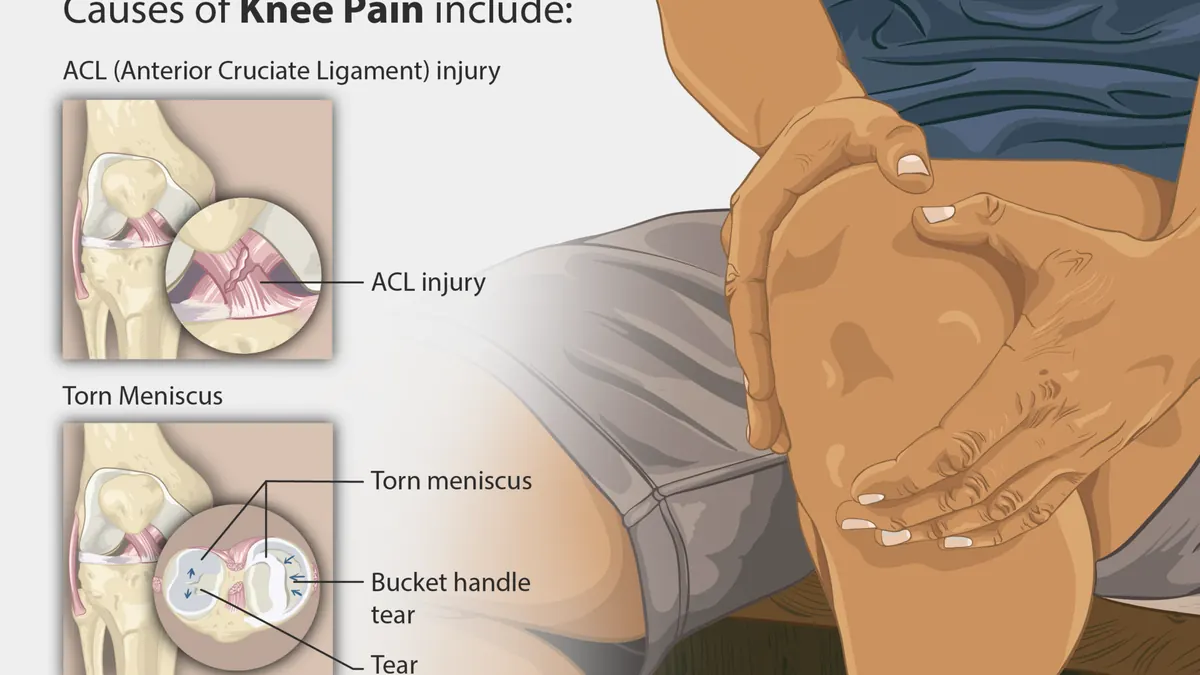
Osteoarthritis is the most common reason for long-term joint pain in adults. The World Health Organization's osteoarthritis fact sheet (14 July 2023) estimates that about 528 million people were living with it in 2019, that around 73 percent are older than 55 and 60 percent are female, and that the knee is the most frequently affected joint, followed by the hip and hand. Other causes of joint pain include injuries, such as ligament or meniscus tears, inflammatory arthritis and problems with tendons.
Who it is for and when it is recommended
People are usually referred by a GP or physiotherapist when joint pain is persistent, limits walking, sleep or work, has not improved with initial treatment, follows a significant injury, or when the joint gives way or locks. NICE guideline NG226, Osteoarthritis in over 16s (last reviewed October 2022), says osteoarthritis can be diagnosed clinically, without imaging, in people aged 45 or over with activity-related joint pain and either no morning stiffness or stiffness lasting no longer than 30 minutes. It names therapeutic exercise and weight management, where appropriate, along with information and support, as the core treatments.
Seek urgent care for a hot, red, swollen joint with fever, a joint that cannot bear weight after an injury, an obvious deformity, or sudden severe pain.
What happens at the appointment
History. Where the pain is, when it started, what makes it worse, morning stiffness, swelling, locking or giving way, previous injuries, your work and activity, general health and medicines, and what you have tried.
Examination. The surgeon looks at how you walk and stand, the alignment of the limb, swelling and muscle wasting, the range of movement, ligament stability and tenderness, and compares the joint with the other side.
Imaging. X-rays are commonly used to look at joint space and bone; the NHS X-ray page (reviewed 4 February 2026) describes a quick test using a small amount of radiation. NG226 advises against routinely using imaging to diagnose osteoarthritis unless there are atypical features or another diagnosis is suspected. MRI may be requested for suspected soft-tissue injuries.
Plan. You should leave knowing the likely diagnosis and the options. The NHS osteoarthritis page (reviewed 20 March 2023) describes exercise, losing weight if overweight, painkillers and a structured physiotherapy programme, with surgery reserved for a small number of cases where these have not helped or joint damage is severe.
How to prepare
Bring previous scans and reports (images on disc if possible), a list of medicines and a note of treatments tried, including physiotherapy and how long you did it. Wear clothing that lets the joint be examined, such as shorts for a knee or hip. Think about what the pain stops you doing; this matters more to the decision than the X-ray appearance.
Afterwards and recovery
After a consultation you may be referred for physiotherapy, given exercises, or booked for tests. If an injection is given, follow the advice on activity. If surgery is proposed, you should be given information about the operation, the risks and the recovery, and time to decide. The WHO notes that joint replacement can reduce pain and improve mobility and quality of life for most people with severely affected joints, but recovery takes months and depends on rehabilitation.
Risks and limitations (sourced)
A consultation and examination are low risk. X-rays involve a small radiation dose; the NHS notes a very small cancer risk from repeated X-rays, which doctors weigh before ordering them. X-ray findings do not always match symptoms: some people with marked changes have little pain and vice versa, which is why NG226 favours clinical diagnosis. Injections and surgery carry their own risks, including infection, blood clots and the possibility that pain is not fully relieved, and these should be explained specifically for your case. No treatment reverses established osteoarthritis; the aim is to reduce pain and improve function.
What affects the cost
Fees vary by country and clinic. Factors include:
- Consultation fee and follow-ups.
- Imaging: X-ray, ultrasound or MRI.
- Physiotherapy, braces or injections.
- If surgery is chosen, the procedure, implant, hospital stay, anaesthetic and rehabilitation.
- Coverage by a national scheme or insurance.
Ask for an itemised estimate, especially for any operation. HealthNaro does not publish prices unless they come from a named, dated source.
Questions to ask the provider
- What is the diagnosis, and how sure are you?
- Do I need imaging, and how would the result change the plan?
- What can I do myself, and what should I avoid?
- What are the non-surgical options, and how long should I try them?
- If surgery is an option, what are the benefits, risks and recovery time for me?
- How many of these operations do you perform each year?
- What would the full cost be?
How to find and check a provider
HealthNaro lists orthopaedic clinics, hospitals and orthopaedic surgeons with a verification label on every listing. Public listing means the details came from public sources and have not yet been checked. Contact verified means the provider has confirmed their phone number and email address. Reviewed by HealthNaro means our team has looked over the listing's details. Credentials verified means we have seen a licence or registration document. A label describes what has been checked; it is not a recommendation or a ranking, and HealthNaro does not endorse any provider.
Check that the surgeon is registered as a specialist with your national medical regulator. You can browse providers under Orthopaedic Surgery. If you would like help finding a suitable clinic, our consulting service is free: send a request through the inquiry form and we will come back to you with options. You choose whom to contact.
This guide is general information, not medical advice. Speak to a registered doctor about your own situation.
Se pensa ter uma emergência médica, contacte de imediato os serviços de emergência locais ou dirija-se à urgência mais próxima. Não espere pela resposta de uma ficha de diretório.
Precisa de ajuda para encontrar orthopaedic surgery?
Diga-nos o que precisa e onde. Entramos em contacto consigo, percebemos a sua situação e ajudamo-lo a encontrar e escolher uma clínica adequada. Este serviço é gratuito para pacientes.