X-ray, ultrasound, CT and MRI scans: how they differ and what to expect
How the four main imaging tests work, which use radiation, how to prepare, how long each takes, what contrast dye involves and how results reach you.
- Escrito por
- HealthNaro Editorial Team
- Publicado
How this page was made: Drafted by the HealthNaro Editorial Team with AI assistance, checked against reputable health sources, and not yet clinically reviewed. Editorial policy
Aún sin revisión clínica
What it is
Medical imaging produces pictures of the inside of the body to help diagnose and monitor conditions. The four most common tests are:
- X-ray. A quick test using a small amount of radiation, commonly used for bones, the chest and some abdominal problems (NHS X-ray page, reviewed 4 February 2026).
- Ultrasound. Uses high-frequency sound waves to image soft tissues, organs, blood flow and pregnancy. The NHS ultrasound page (reviewed 25 February 2025) states that it uses no radiation.
- CT (computed tomography). Many X-ray images taken from different angles and combined by computer into cross-sectional slices. The FDA notes that CT involves a higher radiation dose than a conventional X-ray.
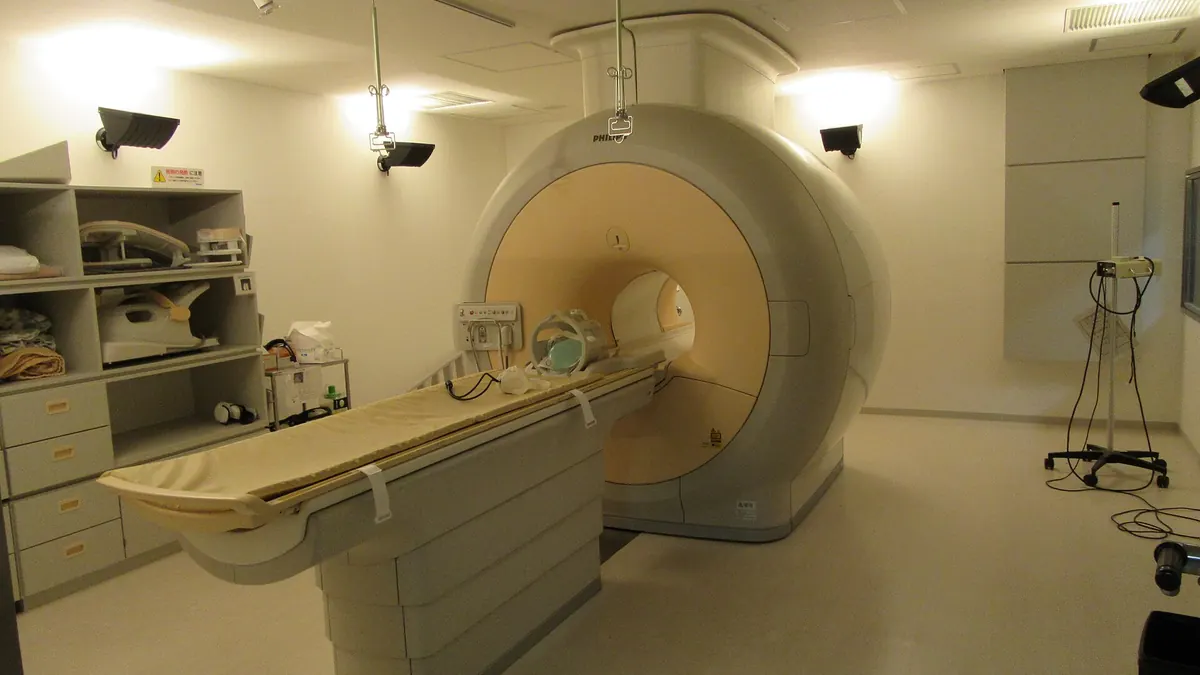
- MRI (magnetic resonance imaging). Uses a strong magnetic field and radio waves, with no radiation, to give detailed images of the brain, spine, joints and soft tissues.
Images are interpreted by a radiologist, a doctor specialising in imaging, and performed by radiographers or sonographers. The WHO ionizing radiation fact sheet (27 July 2023) reports that more than 4.2 billion diagnostic radiology examinations are performed worldwide each year.
Who it is for and when it is recommended
Imaging is requested by a clinician to answer a specific question: whether a bone is broken, what is causing pain or a lump, how an organ is working, how a pregnancy is developing, or how a condition is responding to treatment. The right test depends on the question. More detailed is not always better: NICE guideline NG59 on low back pain, for example, advises against routinely offering imaging in non-specialist settings.
What happens at the appointment
X-ray. You may change into a gown and remove metal items. You stand, sit or lie in position while the image is taken; the NHS says the X-ray itself only takes a few minutes. Some specialised X-rays use a contrast dye or barium.
Ultrasound. Gel is applied to the skin and a hand-held probe is moved over the area. The NHS says a scan takes around 10 to 45 minutes. Some scans are internal, using a covered probe inserted into the vagina or rectum; you can ask to insert it yourself.
CT. You lie on a table that moves through a ring-shaped scanner. The NHS says a scan usually takes 10 to 20 minutes. A contrast dye may be injected, which can cause a warm feeling or a metallic taste.
MRI. You lie on a table that slides into a tunnel-shaped scanner and must keep still. The NHS says it usually takes 15 minutes to an hour; the scanner makes loud bangs and clicks, so ear plugs or headphones are provided. Contrast may be injected.
How to prepare
Follow the instructions in your appointment letter. The NHS lists common requirements:
- All tests: remove jewellery and clothing with metal; tell staff if you are or might be pregnant, or have allergies, particularly to contrast dye.
- X-ray and CT: you may be asked not to eat or drink for several hours for some types.
- Ultrasound: some scans need a full bladder, for which you drink water beforehand, and some need fasting.
- MRI: tell staff about any metal in your body, such as a pacemaker, surgical clips or implants, as some are not safe in the scanner. If you are anxious in enclosed spaces, ask in advance about support.
Afterwards and recovery
You can usually go home straight away. If contrast was given, the NHS notes you may be asked to wait up to 30 minutes to check for a reaction. If you were given a medicine to relax for an MRI, you should not drive for 24 hours. Results are sent to the clinician who referred you: the NHS says MRI and CT results usually take one to two weeks, and ultrasound results may be given at the end of the appointment or take a few weeks. Contact the referring clinician if you have not heard.
Risks and limitations (sourced)
X-rays and CT use ionising radiation. The WHO states that low doses can increase the risk of longer-term effects such as cancer, and the FDA describes the added risk from medical imaging as generally very small, higher with larger doses, more examinations and younger age. The NHS notes doctors weigh this before recommending a scan. Ultrasound and MRI involve no radiation. Contrast dyes can cause side effects and, rarely, allergic reactions, which staff are trained to treat. MRI is unsuitable for some people with metal implants. No imaging test sees everything, and scans can reveal incidental findings that need further tests.
What affects the cost
Fees vary by country and centre. Factors include:
- The type of test: X-ray generally costs least, MRI most.
- The body part and number of areas scanned.
- Whether contrast is used.
- Whether a radiologist's report is included.
- Urgent appointments.
- Coverage by a national scheme or insurance, and whether a referral is required.
Ask for the price including the report. HealthNaro does not publish prices unless they come from a named, dated source.
Questions to ask the provider
- Why this test rather than another, and how will the result change my care?
- Does it use radiation, and how does the dose compare with other options?
- How should I prepare?
- Will contrast be used, and what are its risks for me?
- Who will report the images, and when will I get the results?
- Can I have a copy of the images and report?
- What is the total cost?
How to find and check a provider
HealthNaro lists diagnostic centres, hospitals and radiologists with a verification label on every listing. Public listing means the details came from public sources and have not yet been checked. Contact verified means the provider has confirmed their phone number and email address. Reviewed by HealthNaro means our team has looked over the listing's details. Credentials verified means we have seen a licence or registration document. A label describes what has been checked; it is not a recommendation or a ranking, and HealthNaro does not endorse any provider.
Check that the centre is licensed by your national radiation protection or health regulator and that reports are signed by a registered radiologist. You can browse providers under Radiology. If you would like help finding a suitable centre, our consulting service is free: send a request through the inquiry form and we will come back to you with options. You choose whom to contact.
This guide is general information, not medical advice. Speak to a registered clinician about your own situation.
Si cree que tiene una emergencia médica, contacte de inmediato con los servicios de emergencia locales o acuda al servicio de urgencias más cercano. No espere la respuesta de una ficha de directorio.
¿Necesita ayuda para encontrar radiology?
Díganos qué necesita y dónde. Nos ponemos en contacto con usted, entendemos su situación y le ayudamos a encontrar y elegir una clínica adecuada. Este servicio es gratuito para los pacientes.
Guías relacionadas
-
Guía
Blood tests: how they are done, how to prepare and how to read your results
What common blood tests check, fasting and other preparation, what happens when blood is taken, how long results take and why a result outside the range is not always a problem.
31 octubre 2026