A hearing test: what happens, who should have one and what the results mean
The difference between a hearing screening and a full evaluation, the tests an audiologist uses, how to prepare, and what happens if hearing loss is found.
- Escrito por
- HealthNaro Editorial Team
- Publicado
How this page was made: Drafted by the HealthNaro Editorial Team with AI assistance, checked against reputable health sources, and not yet clinically reviewed. Editorial policy
Aún sin revisión clínica
What it is
A hearing test measures how well each ear hears sounds of different pitches and volumes, and how well you understand speech. The American Speech-Language-Hearing Association (ASHA; page reviewed 1 May 2026) distinguishes a screening, a quick pass-or-refer check that does not diagnose anything, from a hearing evaluation, a fuller assessment by an audiologist tailored to your needs.
Hearing loss is common. The World Health Organization's deafness and hearing loss fact sheet (3 March 2026) states that over 5 percent of the world's population, about 430 million people, need rehabilitation for disabling hearing loss, that over 25 percent of people older than 60 are affected, and that by 2050 nearly 2.5 billion people are projected to have some degree of hearing loss. The WHO links unaddressed hearing loss with communication difficulties and an increased risk of dementia.
Who it is for and when it is recommended
ASHA advises that all newborns have a hearing screening shortly after birth, that young children have their hearing checked regularly, especially with speech delay or frequent ear infections, and that adults consider regular screening, especially if exposed to loud noise or if they have new concerns. Signs listed by the NHS hearing loss page (reviewed 30 May 2025) include needing to ask people to repeat themselves and turning up the television louder than others want. In children, hearing loss can affect speech development and progress at school.
The NHS hearing tests page (reviewed 12 November 2024) advises asking for an urgent appointment if you have sudden hearing loss in one or both ears; sudden loss is treated as urgent because early treatment matters.
What happens at the appointment
An evaluation usually takes 30 to 60 minutes. ASHA describes the audiologist asking about your medical history and concerns, then looking into your ears with a light (otoscope) to check for wax, objects or infection. The NHS lists the common tests:
- Pure tone audiometry. You listen to tones through headphones and press a button or raise your hand each time you hear one. The result is an audiogram showing your hearing in each ear across pitches.
- Speech audiometry. Similar, but with words, sometimes in background noise.
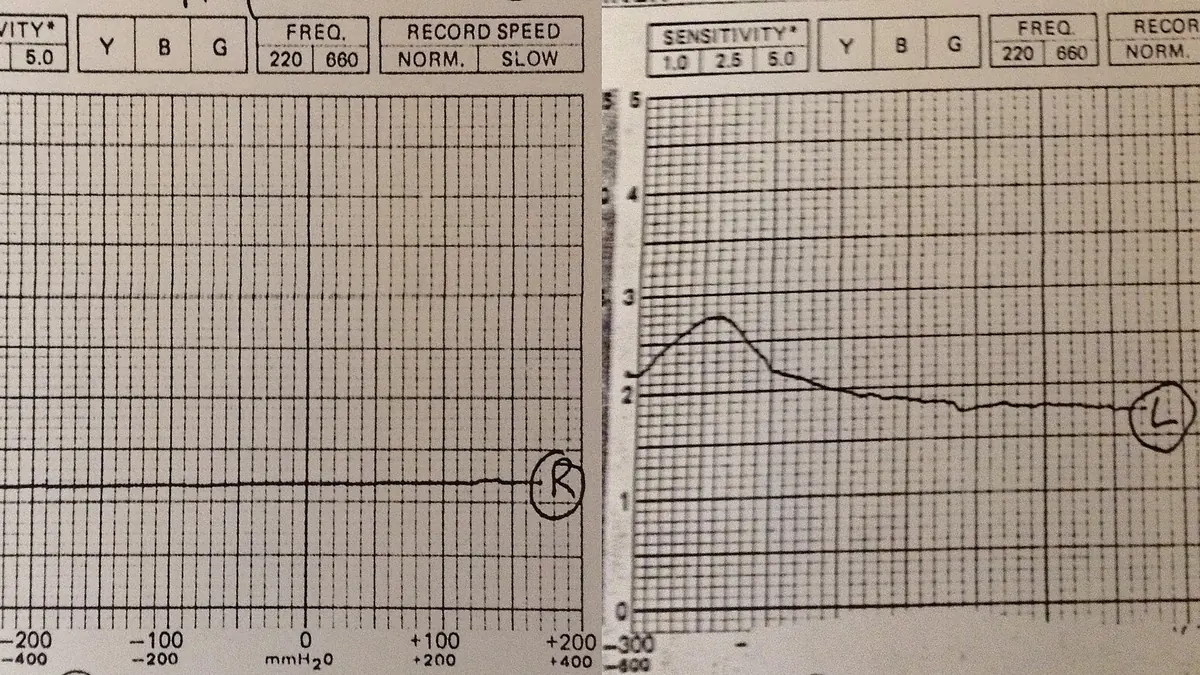
- Tympanometry. A small device in the ear checks how the eardrum moves and whether fluid or a blockage behind it may be affecting hearing.
Children have tests suited to their age and development, sometimes using play.
How to prepare
Avoid loud noise for a day beforehand where possible, as it can temporarily dull hearing. If you have a cold or ear infection, ask whether to rebook. Bring a list of medicines and note any history of ear infections, surgery, noise exposure, ringing in the ears (tinnitus) or dizziness. If you use hearing aids, bring them. It can help to bring someone who can describe the situations where you struggle.
Afterwards and recovery
There is no recovery. The audiologist goes through your results with you. The NHS hearing loss page describes treatments depending on the cause: an ear infection might be treated with antibiotics, earwax removed, and permanent hearing loss often managed with hearing aids, which make sounds louder and clearer but do not make hearing perfect. You may be referred to an ENT specialist if a medical cause is suspected.
Risks and limitations (sourced)
Hearing tests are painless and safe. The limitations are that a screening, as ASHA notes, only tells you whether more testing is needed, and results can be affected by a cold, wax or fatigue on the day. Tests measure hearing but not always the cause. The NHS notes that the test is often free at pharmacies and opticians but you may have to pay for any treatment, such as hearing aids.
What affects the cost
Fees vary by country and provider. Factors include:
- Screening versus full evaluation.
- Additional tests, such as tympanometry or balance testing.
- Earwax removal if needed first.
- Hearing aid fitting and follow-up, which is usually priced separately.
- Coverage by a national scheme or insurance.
Ask whether the test fee is separate from any hearing aid package. HealthNaro does not publish prices unless they come from a named, dated source.
Questions to ask the provider
- Is this a screening or a full hearing evaluation?
- What do my results show for each ear?
- What is the likely cause, and do I need to see an ENT specialist?
- Would hearing aids help, and what are the options?
- Is the test fee separate from any device costs?
- When should I be retested?
- What are your qualifications and registration?
How to find and check a provider
HealthNaro lists ENT clinics and audiologists with a verification label on every listing. Public listing means the details came from public sources and have not yet been checked. Contact verified means the provider has confirmed their phone number and email address. Reviewed by HealthNaro means our team has looked over the listing's details. Credentials verified means we have seen a licence or registration document. A label describes what has been checked; it is not a recommendation or a ranking, and HealthNaro does not endorse any provider.
Check the audiologist's registration with your national regulator or professional body. You can browse providers under Audiology. If you would like help finding a suitable clinic, our consulting service is free: send a request through the inquiry form and we will come back to you with options. You choose whom to contact.
This guide is general information, not medical advice. Speak to a registered clinician about your own situation.
Si cree que tiene una emergencia médica, contacte de inmediato con los servicios de emergencia locales o acuda al servicio de urgencias más cercano. No espere la respuesta de una ficha de directorio.
¿Necesita ayuda para encontrar audiology?
Díganos qué necesita y dónde. Nos ponemos en contacto con usted, entendemos su situación y le ayudamos a encontrar y elegir una clínica adecuada. Este servicio es gratuito para los pacientes.
Guías relacionadas
-
Guía
An ENT consultation: what an ear, nose and throat specialist checks
When to see an ENT specialist for ear, nose, sinus or throat problems, how the examination is done, what tests may follow and the questions to ask.
31 octubre 2026