An ENT consultation: what an ear, nose and throat specialist checks
When to see an ENT specialist for ear, nose, sinus or throat problems, how the examination is done, what tests may follow and the questions to ask.
- Escrito por
- HealthNaro Editorial Team
- Publicado
How this page was made: Drafted by the HealthNaro Editorial Team with AI assistance, checked against reputable health sources, and not yet clinically reviewed. Editorial policy
Aún sin revisión clínica
What it is
An ENT consultation is an assessment by an otolaryngologist, a doctor who specialises in conditions of the ear, nose, throat, head and neck. ENT specialists treat problems such as hearing loss, ear infections, glue ear, earwax build-up, tinnitus, dizziness and balance disorders, blocked nose and sinus problems, nosebleeds, tonsil and voice problems, swallowing difficulties and lumps in the neck. ENT UK, the professional body for ENT surgeons in the United Kingdom, publishes patient leaflets covering many of these conditions and procedures, including ear microsuction for wax.
Who it is for and when it is recommended
Most people are referred by a GP when a problem persists despite initial treatment, needs specialist examination or may need a procedure. Common reasons include:
- Hearing loss that has not improved after treatment of an ear infection or wax, which the NHS hearing loss page (reviewed 30 May 2025) lists as a reason to see a GP.
- Recurrent ear infections, discharge or ear pain.
- Persistent blocked nose, sinus pain or loss of smell.
- Recurrent tonsillitis or snoring with pauses in breathing.
- Hoarseness lasting several weeks, difficulty swallowing, or a lump in the neck.
- Persistent dizziness or tinnitus.
NICE guideline NG98, Hearing loss in adults (last reviewed October 2023), recommends that hearing loss which developed suddenly, over three days or less, within the past 30 days is referred immediately to be seen within 24 hours by an ENT service or emergency department. Seek emergency care for difficulty breathing, severe throat swelling, or heavy nosebleeds that will not stop.
What happens at the appointment
History. The specialist asks about your symptoms, their duration, triggers, previous treatments, general health, medicines, smoking and noise exposure.
Examination. Depending on the problem:
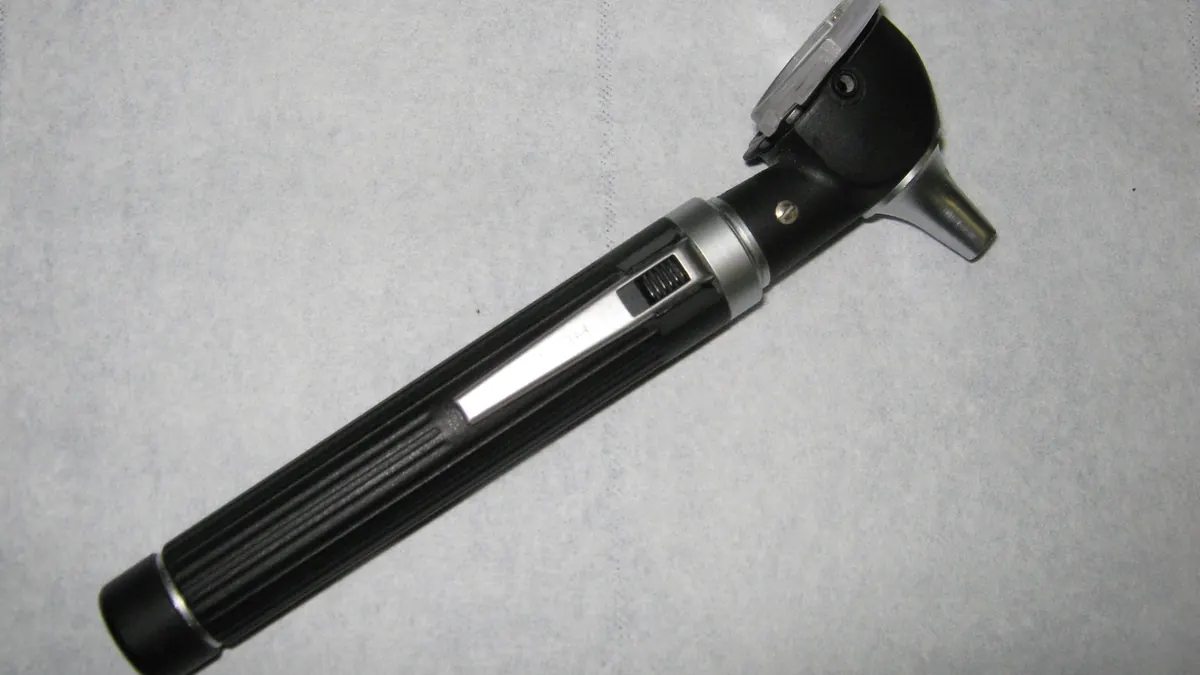
- Ears: looking into the ear canal with an otoscope or microscope; wax may be removed by suction.
- Nose: looking inside with a light, sometimes after a spray to shrink the lining and numb it.
- Throat and voice box: a thin flexible camera (nasendoscope) may be passed through the nose to view the back of the nose, throat and vocal cords. It is uncomfortable rather than painful and takes a minute or two.
- Neck: feeling for lumps and glands.
Tests. A hearing test by an audiologist, balance tests, a scan, allergy tests or a biopsy may be arranged.
How to prepare
Bring a list of medicines and any previous hearing tests or scans. Note when symptoms occur and what you have tried. If you have hearing loss, bring someone to help with communication if useful. Do not put anything in your ears before the appointment.
Afterwards and recovery
Most consultations need no recovery. After a nasal spray or nasendoscopy, the nose and throat may feel numb for a short time; avoid hot drinks until sensation returns. You should leave knowing the likely diagnosis, any tests needed and the plan. If a procedure such as tonsil removal or sinus surgery is proposed, ask for written information on recovery and risks.
Risks and limitations (sourced)
An examination is low risk; nasendoscopy can cause brief discomfort, and wax removal can occasionally cause dizziness or ear discomfort. The NHS notes that hearing aids, often recommended for permanent hearing loss, make sounds louder and clearer but do not make hearing perfect. The WHO notes that unaddressed hearing loss has wider effects on communication and wellbeing, so follow-up matters. Procedures carry their own risks, which should be explained for your case.
What affects the cost
Fees vary by country and clinic. Factors include:
- Consultation and follow-up fees.
- Procedures done in the clinic, such as microsuction or nasendoscopy.
- Hearing tests, scans or allergy testing.
- Surgery, anaesthetic and hospital stay if needed.
- Coverage by a national scheme or insurance, and whether a referral is required.
Ask for an itemised estimate. HealthNaro does not publish prices unless they come from a named, dated source.
Questions to ask the provider
- What is causing my symptoms?
- Do I need any tests or scans?
- What are the treatment options, including doing nothing for now?
- If surgery is proposed, what are the benefits, risks and recovery time?
- What symptoms should make me seek urgent help?
- When will I be reviewed?
- What is included in the fee?
How to find and check a provider
HealthNaro lists ENT clinics, hospitals and ENT specialists with a verification label on every listing. Public listing means the details came from public sources and have not yet been checked. Contact verified means the provider has confirmed their phone number and email address. Reviewed by HealthNaro means our team has looked over the listing's details. Credentials verified means we have seen a licence or registration document. A label describes what has been checked; it is not a recommendation or a ranking, and HealthNaro does not endorse any provider.
Check that the specialist is registered with your national medical regulator as an otolaryngologist. You can browse providers under Otolaryngology. If you would like help finding a suitable clinic, our consulting service is free: send a request through the inquiry form and we will come back to you with options. You choose whom to contact.
This guide is general information, not medical advice. Speak to a registered doctor about your own situation.
Si cree que tiene una emergencia médica, contacte de inmediato con los servicios de emergencia locales o acuda al servicio de urgencias más cercano. No espere la respuesta de una ficha de directorio.
¿Necesita ayuda para encontrar otolaryngology?
Díganos qué necesita y dónde. Nos ponemos en contacto con usted, entendemos su situación y le ayudamos a encontrar y elegir una clínica adecuada. Este servicio es gratuito para los pacientes.
Guías relacionadas
-
Guía
A hearing test: what happens, who should have one and what the results mean
The difference between a hearing screening and a full evaluation, the tests an audiologist uses, how to prepare, and what happens if hearing loss is found.
31 octubre 2026