A dermatology consultation for acne or eczema: what to expect
When to see a dermatologist for acne or eczema rather than managing it yourself, how the consultation runs, how treatments are chosen and what results to expect.
- Rédigé par
- HealthNaro Editorial Team
- Publié
How this page was made: Drafted by the HealthNaro Editorial Team with AI assistance, checked against reputable health sources, and not yet clinically reviewed. Editorial policy
Pas encore relu cliniquement
What it is
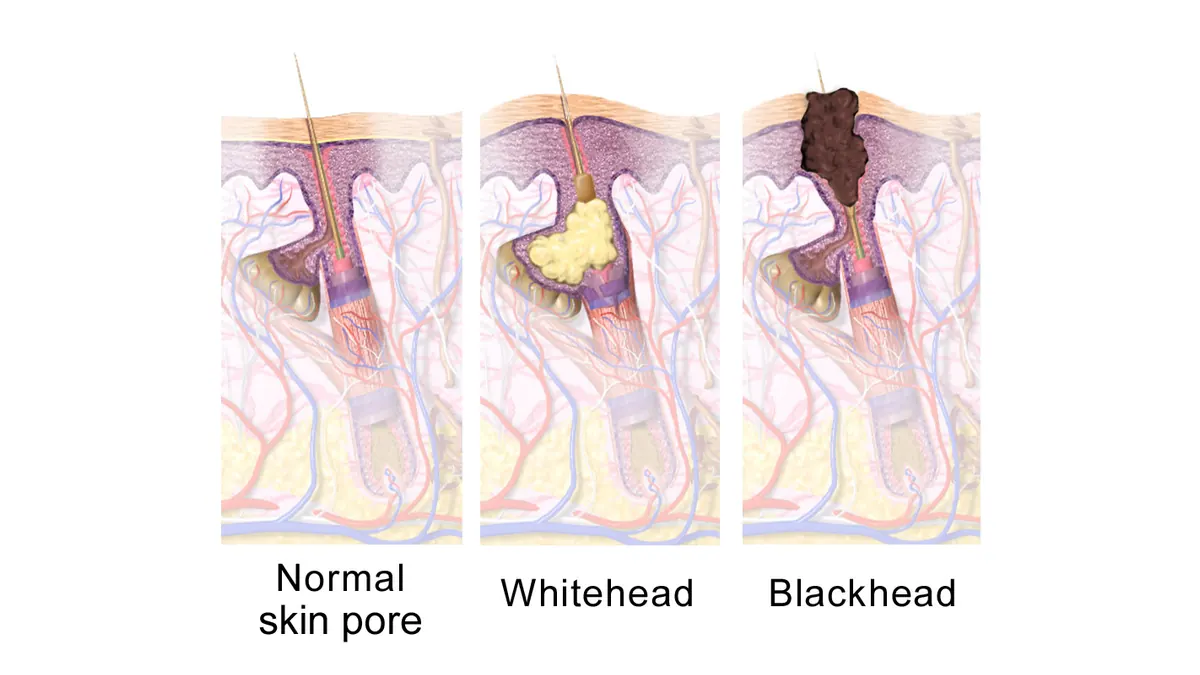
A dermatology consultation is an assessment of a skin condition by a dermatologist, a doctor who specialises in skin, hair and nails. Acne and eczema are two of the most frequent reasons for a visit. Acne is a condition of the hair follicles and oil glands that produces blackheads, whiteheads, inflamed spots and sometimes deeper nodules, most often on the face, back and chest. Atopic eczema (atopic dermatitis) is a long-term inflammatory condition that causes dry, itchy, inflamed skin. The NHS atopic eczema page (reviewed 6 September 2024) notes that it is most common in young children but affects people of all ages, that it cannot be cured, and that treatment can control symptoms.
The consultation aims to confirm the diagnosis, grade severity, identify triggers and agree a treatment plan that you can sustain.
Who it is for and when it is recommended
Many people manage mild acne or eczema with a pharmacist's advice and over-the-counter products; the NHS acne page (reviewed 22 September 2026) suggests this as a first step for mild acne. A GP is the next step in most systems, and can prescribe stronger treatments or refer on. See a dermatologist, via referral or directly where that is how your system works, when:
- Acne is widespread, deep or painful, is leaving scars or dark marks, or has not improved after a proper trial of prescribed treatment. NICE guideline NG198, Acne vulgaris: management (last reviewed September 2026), recommends referral to a consultant dermatologist-led team for people with severe acne, scarring, significant psychological distress or acne that has not responded to treatment, and same-day referral for the rare, severe form acne fulminans.
- Eczema is severe, widespread, keeps flaring despite regular emollients and prescribed creams, disturbs sleep, is affecting mood or school and work, or there is uncertainty about the diagnosis.
- Signs of infected eczema, which the NHS lists as reasons to seek urgent advice, including weeping, crusting, rapidly worsening areas or fever.
What happens at the appointment
History. When the condition began, how it has changed, what makes it worse (for eczema, the NHS lists irritants and allergens such as soaps, detergents, pets, some fabrics, pollen, house dust mites and certain foods), what you have tried and for how long, your general health, medicines, family history of skin disease, asthma or hay fever, and how the condition affects your daily life and mood.
Examination. The dermatologist examines the affected skin and usually the whole skin surface in good light. For acne, they note the types of lesions, their distribution and any scarring, and may grade severity. For eczema, they assess the extent, how inflamed and dry the skin is, whether there are signs of infection, and the pattern, which helps separate atopic eczema from contact dermatitis or other conditions.
Tests. Usually none are needed. Swabs may be taken if infection is suspected. Patch testing for contact allergy, or blood tests before certain medicines, are arranged when relevant.
Plan. The dermatologist explains the diagnosis and the options. For acne, NG198 sets out first-line treatments based on severity, combining topical products and, for more severe disease, oral medicines, usually for a defined course before reviewing. For eczema, the American Academy of Dermatology and the NHS describe the foundation as regular emollient use (the NHS advises at least twice a day, continuing even when skin improves) with anti-inflammatory creams for flares and stronger treatments for severe disease. You should leave knowing what to apply, where, how often and for how long. A consultation usually lasts 15 to 30 minutes.
How to prepare
Photograph flare-ups on your phone, with dates, because the skin may be calmer on the day. Bring every product you have used, prescription and over the counter, or a list with how long you used each. Attend without make-up over acne if you can, or be prepared to remove it. Note triggers you have observed and questions about things you have read. For a child, bring their health record and be ready to describe sleep and scratching. If you take regular medicines, bring the list; some can worsen acne or interact with treatments.
Afterwards and recovery
Skin treatments are slow. Acne treatments commonly take six to twelve weeks to show their effect, and NG198 advises reviewing after a treatment course of this length rather than switching early; the NHS warns against picking or squeezing spots because of scarring. Eczema care is a routine rather than a cure: the NHS advises washing with an emollient instead of soap and applying emollients generously and often. Side effects, if they occur, should be reported rather than tolerated silently, since adjustments are usually possible. Agree a review date and what would prompt an earlier appointment. The NHS also notes that eczema can affect mental health and that support may be offered; the same is true of acne, and it is a legitimate subject for the consultation.
Risks and limitations (sourced)
A consultation itself is risk-free; the treatments carry side effects that the dermatologist will explain, and some oral acne medicines require monitoring and strict precautions around pregnancy. Limitations include slow response, the need for maintenance, and the fact that eczema, as the NHS states, cannot be cured. Acne scarring cannot be fully reversed, which is one reason NG198 emphasises earlier referral when scarring is developing. Trigger identification for eczema is imperfect; food exclusion without medical advice is not recommended, particularly in children. Claims of permanent cures for either condition, from any source, should be treated with caution.
What affects the cost
Fees vary by country and clinic, and public systems may provide dermatology on referral. Factors include:
- First consultation versus follow-up.
- Whether the clinic is consultant-led or run by a GP with a special interest.
- Tests such as swabs, patch testing or blood monitoring.
- Treatments: prescription creams, oral medicines, and for acne scarring any procedures offered.
- Teleconsultation versus in person.
- Coverage by a national scheme or insurance, and whether a referral is required for cover.
Ask what the consultation fee covers and what the treatment plan is likely to cost over several months. HealthNaro does not publish prices unless they come from a named, dated source.
Questions to ask the provider
- What is the diagnosis, and how severe is it?
- What is the plan, in what order, and how long before I should expect change?
- What side effects should I watch for, and when should I stop and contact you?
- How should I apply each product, and in what order with moisturisers or make-up?
- Is there any monitoring I need, and are there precautions I must follow?
- When will you review me, and what happens if this does not work?
- Is there anything in my routine that is making this worse?
How to find and check a provider
HealthNaro lists skin clinics and dermatologists with a verification label on every listing. Public listing means the details came from public sources and have not yet been checked. Contact verified means the provider has confirmed their phone number and email address. Reviewed by HealthNaro means our team has looked over the listing's details. Credentials verified means we have seen a licence or registration document. A label describes what has been checked; it is not a recommendation or a ranking, and HealthNaro does not endorse any provider.
Check that the practitioner is registered as a specialist dermatologist with your national medical regulator; many clinics describing themselves as skin or aesthetic clinics are not led by dermatologists. You can browse providers under Dermatology. If you would like help finding a suitable clinic, our consulting service is free: send a request through the inquiry form and we will come back to you with options. You choose whom to contact.
This guide is general information, not medical advice. Speak to a registered doctor about your own situation.
Si vous pensez être en situation d'urgence médicale, contactez immédiatement les services d'urgence locaux ou rendez-vous aux urgences les plus proches. N'attendez pas la réponse d'une fiche d'annuaire.
Besoin d'aide pour trouver dermatology ?
Dites-nous ce dont vous avez besoin et où. Nous vous contactons, comprenons votre situation et vous aidons à trouver et à choisir une clinique adaptée. Ce service est gratuit pour les patients.