A cardiology check-up, ECG and echocardiogram: what to expect
When a heart assessment is recommended, what a cardiologist asks and examines, how an ECG and an echocardiogram are done, and what the tests can and cannot show.
- Rédigé par
- HealthNaro Editorial Team
- Publié
How this page was made: Drafted by the HealthNaro Editorial Team with AI assistance, checked against reputable health sources, and not yet clinically reviewed. Editorial policy
Pas encore relu cliniquement
What it is
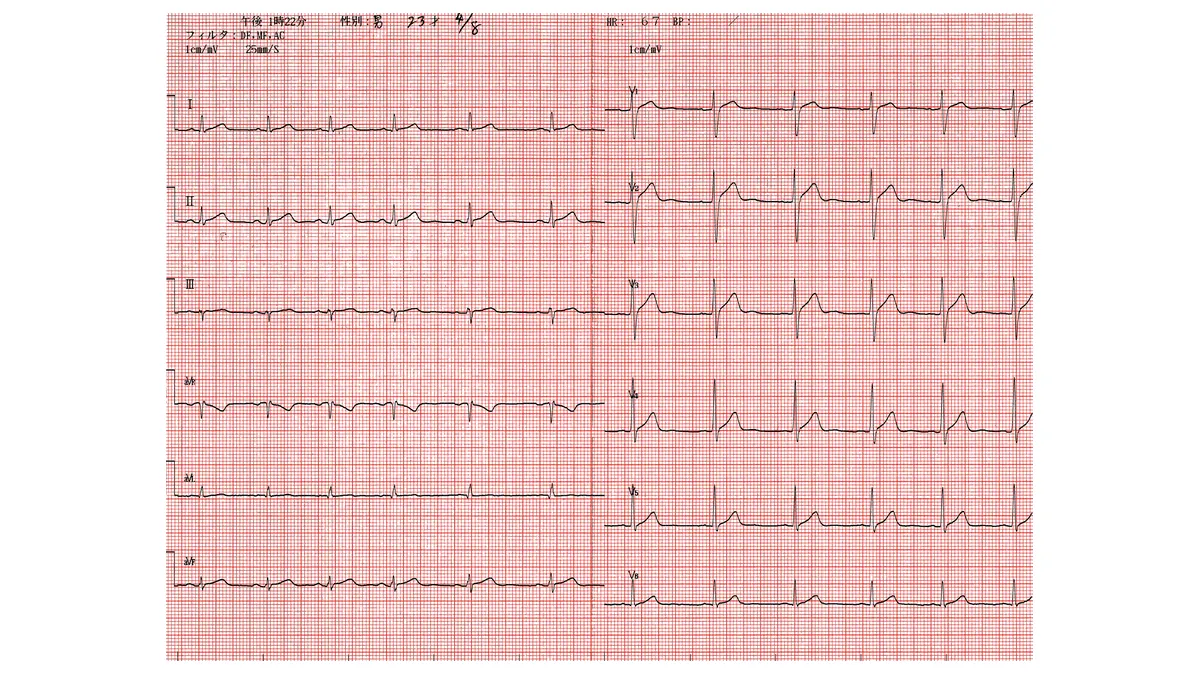
A cardiology consultation is an assessment by a cardiologist, a doctor specialising in the heart and blood vessels. It is often combined with two common tests. An electrocardiogram (ECG) records the electrical signals produced each time the heart beats, showing its rate, rhythm and some signs of strain or past damage. An echocardiogram, or echo, is an ultrasound scan of the heart that shows its chambers, valves and pumping action.
Heart and circulatory disease is a major cause of death worldwide. The World Health Organization's cardiovascular diseases fact sheet (31 July 2025) estimates that 19.8 million people died from cardiovascular disease in 2022, about 32 percent of all deaths, and that over three quarters of these deaths occur in low- and middle-income countries. It lists unhealthy diet, physical inactivity, tobacco use and harmful use of alcohol as the most important behavioural risk factors.
Who it is for and when it is recommended
People are usually referred to a cardiologist by a GP, or attend directly where that is how the system works, for symptoms such as chest pain or tightness on exertion, palpitations, breathlessness, fainting or near-fainting, or ankle swelling; for a heart murmur heard on examination; for high blood pressure that is difficult to control; for a family history of early heart disease or sudden death; or before certain operations or sports. The WHO hypertension fact sheet (25 September 2025) notes that high blood pressure often causes no symptoms and that the only way to know is to have it checked.
Chest pain that is severe, crushing, spreading to the arm, jaw or back, or accompanied by breathlessness, sweating or fainting is an emergency. Call emergency services rather than booking an appointment.
What happens at the appointment
Consultation. The cardiologist asks about your symptoms in detail, your medical history, medicines, smoking, alcohol, exercise and family history. They measure blood pressure and pulse, listen to the heart and lungs, and check for swelling and the pulses in your limbs.
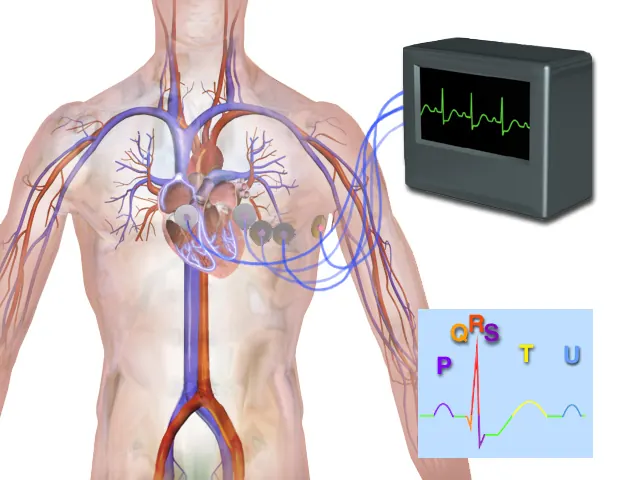
Resting ECG. The NHS ECG page (reviewed 9 November 2023) describes lying back while sticky patches called electrodes are placed on the arms, legs and chest and connected to the machine; you lie still for a few minutes while it records. It is painless, though removing the patches can feel like removing a plaster.
Other ECG types. If symptoms come and go, you may wear a small portable recorder for 24 hours or longer (ambulatory ECG). An exercise ECG, or stress test, records the heart while you walk on a treadmill or cycle; the NHS says the appointment usually lasts 40 to 60 minutes, and a medicine that raises the heart rate can be used instead if you cannot exercise.
Echocardiogram. The NHS echocardiogram page (reviewed 26 February 2026) describes lying on a couch while a sonographer applies gel and moves an ultrasound probe over your chest; the scan takes around 30 to 40 minutes and the machine makes a swishing sound. Less often, a stress echo or a transoesophageal echo, where a thin probe is passed down the gullet under sedation for a clearer image, is needed.
Blood tests for cholesterol, blood sugar and kidney function are often requested too.
How to prepare
Bring a list of medicines and any previous test results or ECGs. Write down when symptoms occur, how long they last and what you were doing. Wear a top that is easy to remove, as you will need to undress to the waist. Avoid applying body lotion to the chest on the day. Before an exercise ECG, the NHS advises not eating a heavy meal or having caffeine beforehand, and wearing comfortable shoes. If you are having a transoesophageal echo or sedation, follow fasting instructions and arrange for someone to take you home.
Afterwards and recovery
You can go home and carry on as normal after a resting ECG or standard echo. After sedation, the NHS advises not driving for 24 hours, and after a transoesophageal echo the throat may be sore for a day or two. Results of a resting ECG are often discussed at the same visit; reports from echoes and ambulatory recordings can take longer. The NHS suggests contacting the doctor who referred you if you have not heard anything after a few weeks. If treatment is recommended, ask for a written plan.
Risks and limitations (sourced)
A resting ECG and a standard echo are safe and use no radiation. Exercise testing carries a small risk because it deliberately stresses the heart, which is why it is supervised. If contrast is used in an echo, the NHS notes you may be asked to wait up to 30 minutes to check for a reaction. The main limitation is that a normal resting ECG records only a few minutes and may miss a rhythm problem that comes and goes, and a normal test does not rule out every heart condition. Equally, minor findings on an ECG are common and are not always significant; your cardiologist will interpret results alongside your symptoms and risk factors.
What affects the cost
Fees vary by country and clinic. Factors include:
- Consultation fee for a specialist versus a GP.
- Which tests are needed: resting ECG, ambulatory monitoring, exercise test, standard or specialised echo.
- Blood tests and any further imaging.
- Hospital versus outpatient clinic.
- Follow-up visits.
- Coverage by a national scheme or insurance, and whether a referral is required.
Ask for the cost of the consultation and each test in writing. HealthNaro does not publish prices unless they come from a named, dated source.
Questions to ask the provider
- What do you think is causing my symptoms, and what else could it be?
- Which tests do I need, and what will each one show?
- When and how will I get the results?
- What is my overall heart risk, and what would reduce it?
- Do I need to change my activity, driving or work in the meantime?
- What symptoms should make me seek emergency help?
- What is included in the fee?
How to find and check a provider
HealthNaro lists heart clinics, hospitals and cardiologists with a verification label on every listing. Public listing means the details came from public sources and have not yet been checked. Contact verified means the provider has confirmed their phone number and email address. Reviewed by HealthNaro means our team has looked over the listing's details. Credentials verified means we have seen a licence or registration document. A label describes what has been checked; it is not a recommendation or a ranking, and HealthNaro does not endorse any provider.
Check that the cardiologist is registered as a specialist with your national medical regulator. You can browse providers under Cardiology. If you would like help finding a suitable clinic, our consulting service is free: send a request through the inquiry form and we will come back to you with options. You choose whom to contact.
This guide is general information, not medical advice. Speak to a registered doctor about your own situation.
Si vous pensez être en situation d'urgence médicale, contactez immédiatement les services d'urgence locaux ou rendez-vous aux urgences les plus proches. N'attendez pas la réponse d'une fiche d'annuaire.
Besoin d'aide pour trouver cardiology ?
Dites-nous ce dont vous avez besoin et où. Nous vous contactons, comprenons votre situation et vous aidons à trouver et à choisir une clinique adaptée. Ce service est gratuit pour les patients.