Blood tests: how they are done, how to prepare and how to read your results
What common blood tests check, fasting and other preparation, what happens when blood is taken, how long results take and why a result outside the range is not always a problem.
- Escrito por
- HealthNaro Editorial Team
- Publicado
How this page was made: Drafted by the HealthNaro Editorial Team with AI assistance, checked against reputable health sources, and not yet clinically reviewed. Editorial policy
Aún sin revisión clínica
What it is
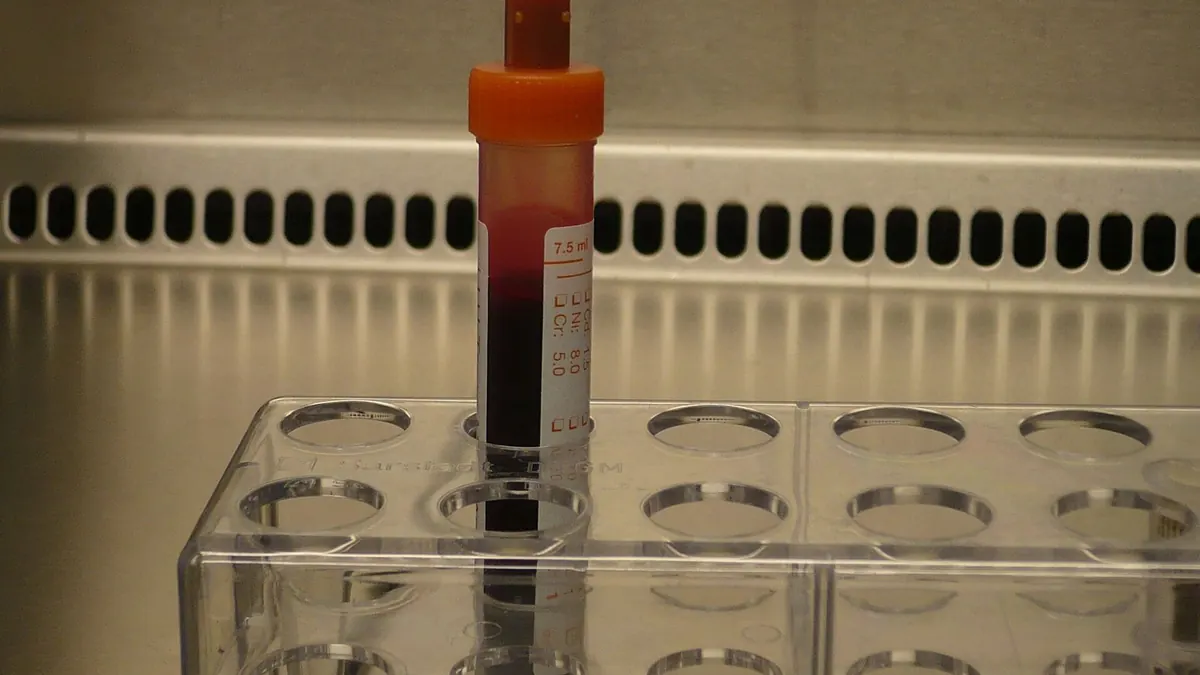
A blood test is the analysis of a small sample of blood in a laboratory to check your general health, help diagnose a condition, monitor a known condition or check how a treatment is working. Common tests include a full blood count (red cells, white cells and platelets), kidney and liver function, blood sugar or HbA1c (a measure of average blood sugar over recent months), cholesterol, thyroid function, inflammatory markers, and tests for specific infections. The NHS blood tests page (reviewed 2 November 2023) describes cholesterol testing, for example, as a way to check your risk of cardiovascular disease and stroke.
Blood tests are processed in medical laboratories, usually overseen by pathologists and laboratory scientists. Some quick tests, such as a finger-prick glucose test, give a result on the spot.
Who it is for and when it is recommended
Blood tests are ordered by a doctor, nurse or other clinician when there is a clinical question to answer: to investigate symptoms such as tiredness, weight loss or fever; to screen for conditions that often have no symptoms; to monitor long-term conditions such as diabetes or kidney disease; or before and during certain medicines. The WHO diabetes fact sheet (14 November 2024) notes that type 2 diabetes symptoms can be mild and take years to be noticed, and recommends regular check-ups and blood tests for early detection. Some laboratories also offer tests without a referral; if you use one, plan how you will have the results interpreted by a clinician.
What happens at the appointment
The NHS describes a blood test as usually done at a GP surgery or hospital and taking about 10 minutes:
- You confirm your name and date of birth, and the tests requested are checked.
- A soft strap (tourniquet) may be put around your upper arm to make the veins easier to find.
- The skin is cleaned and a needle is inserted, usually into a vein on the inside of the elbow; sometimes blood is taken from the wrist or by finger prick.
- You feel a sharp scratch. Blood is collected in one or more small tubes, which are labelled.
- The needle is removed and pressure applied with cotton wool or a plaster.
How to prepare
Ask whether you need to fast. For some tests, the NHS advises not eating or drinking anything other than water for a set time beforehand. Ask whether to take your usual medicines on the morning of the test. Drink water unless told otherwise, since being well hydrated makes veins easier to find. Wear a top with sleeves that roll up easily. If you are worried about needles or have fainted before, tell the person taking blood; the NHS notes they can help you feel more comfortable, and you can lie down.
Afterwards and recovery
Keep pressure on the site for a few minutes. The NHS notes you may get some bruising or swelling, which should go away after a few days. You can usually eat, drink and carry on as normal straight away. Results may come back within a few days and usually within a few weeks. Some clinics only contact you if a result needs discussing, so ask how you will be told. The NHS advises asking to speak to a healthcare professional if you have questions about your results or do not understand them.
Risks and limitations (sourced)
Blood tests are low risk; bruising, brief discomfort and occasional fainting are the usual effects. The limitations are about interpretation. Each result is compared with a reference range derived from healthy people, so a small proportion of healthy people will have results just outside it. A result can be affected by recent food, exercise, illness, time of day, medicines or how the sample was handled, and may need repeating. A normal result does not always rule out a condition. The NHS notes that blood test results can be complicated and that you may sometimes need other tests depending on why the blood test was done. Results should be read alongside your symptoms and history by a clinician.
What affects the cost
Fees vary by country and laboratory. Factors include:
- The number and type of tests; specialised tests cost more than routine panels.
- Whether a consultation or sample-collection fee is charged separately.
- Home collection services.
- Urgent processing.
- Whether the laboratory is accredited.
- Coverage by a national scheme or insurance, and whether a referral is required.
Ask for the price of each test and whether interpretation by a clinician is included. HealthNaro does not publish prices unless they come from a named, dated source.
Questions to ask the provider
- Which tests are being done, and why?
- Do I need to fast or stop any medicines beforehand?
- When and how will I receive the results?
- Who will explain them to me?
- What happens if a result is abnormal?
- Is the laboratory accredited?
- What is the total cost?
How to find and check a provider
HealthNaro lists medical laboratories, diagnostic centres and clinics with a verification label on every listing. Public listing means the details came from public sources and have not yet been checked. Contact verified means the provider has confirmed their phone number and email address. Reviewed by HealthNaro means our team has looked over the listing's details. Credentials verified means we have seen a licence or registration document. A label describes what has been checked; it is not a recommendation or a ranking, and HealthNaro does not endorse any provider.
Ask whether the laboratory is accredited by your national accreditation body and licensed by the health regulator. You can browse providers under Laboratory Medicine. If you would like help finding a suitable laboratory, our consulting service is free: send a request through the inquiry form and we will come back to you with options. You choose whom to contact.
This guide is general information, not medical advice. Speak to a registered clinician about your own results.
Si cree que tiene una emergencia médica, contacte de inmediato con los servicios de emergencia locales o acuda al servicio de urgencias más cercano. No espere la respuesta de una ficha de directorio.
¿Necesita ayuda para encontrar laboratory medicine?
Díganos qué necesita y dónde. Nos ponemos en contacto con usted, entendemos su situación y le ayudamos a encontrar y elegir una clínica adecuada. Este servicio es gratuito para los pacientes.
Guías relacionadas
-
Guía
X-ray, ultrasound, CT and MRI scans: how they differ and what to expect
How the four main imaging tests work, which use radiation, how to prepare, how long each takes, what contrast dye involves and how results reach you.
31 octubre 2026