Vaccination records for travellers and families: keeping and sharing them
Why a vaccination record matters, what it should show, how to keep it safe and share it when you move or travel, and what the International Health Regulations say about yellow fever certificates.
- Written by
- HealthNaro Editorial Team
- Published
How this page was made: Drafted by the HealthNaro Editorial Team with AI assistance, checked against reputable health sources, and not yet clinically reviewed. Editorial policy
Not yet clinically reviewed
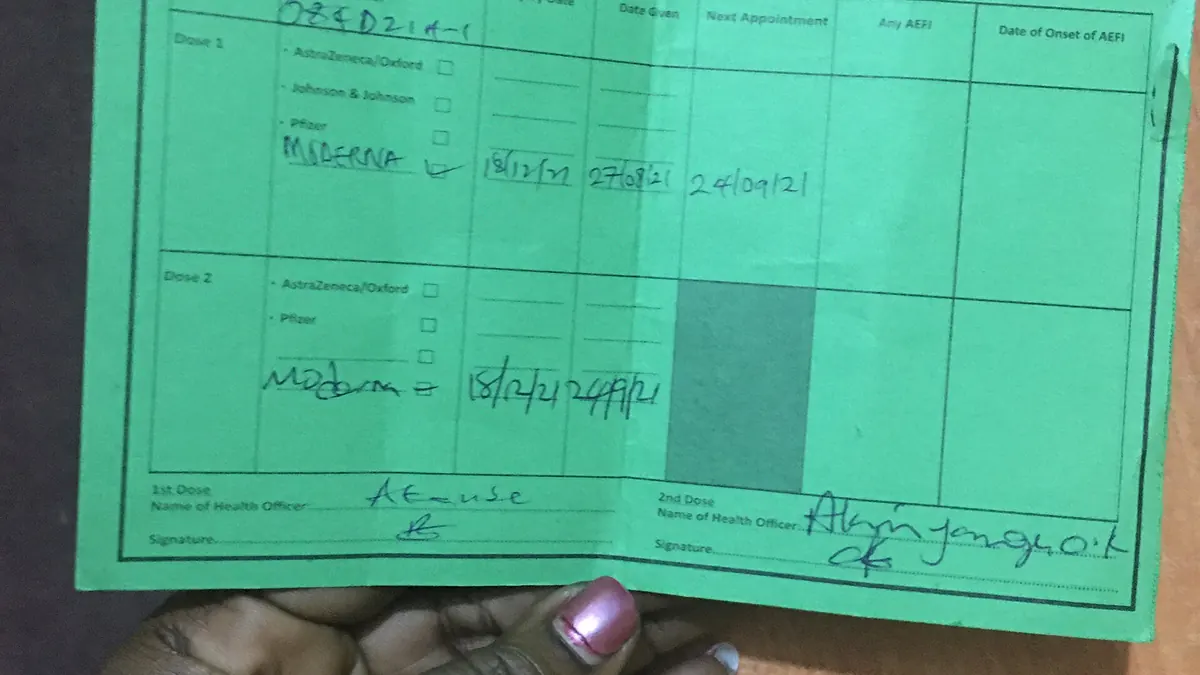
A vaccination record is one of the most useful documents a family can keep. It tells a new doctor what has been given, helps a school or border authority check requirements, and stops doses being missed or repeated by accident when people move between countries. Records are easy to lose, and national schedules differ, so a little organisation goes a long way.
What a good record shows
Whatever form it takes, a useful vaccination record shows:
- the full name and date of birth of the person vaccinated;
- the name of each vaccine, or the disease it protects against;
- the date of each dose and which dose it was;
- the batch or lot number where recorded;
- the name or stamp of the clinic or person who gave it;
- any vaccine that was not given and why, if a clinician recorded this.
Records come as paper cards, booklets, entries in a national health app, printouts from a clinic system, or a mixture. In England, for example, a child's personal health record is a booklet known as the red book, and the NHS suggests providing it when you register a child with a GP surgery if you have it. Other countries use different cards and apps, so find out what your country issues.
Why records matter when you move
National immunisation schedules differ in timing, in the vaccines included and in the number of doses. The NHS publishes its schedule, which starts with vaccines at eight weeks of age, and notes that if you or your child missed a vaccine you should contact your GP to catch up, and that most vaccines can still be caught up if you miss them.
When you move, a new clinic can compare your record with the local schedule and advise on what is due, what is complete and what may need to be restarted or topped up. Without a record, clinicians may not be able to assume a dose was given. That can mean repeat doses or blood tests to check, so a clear record saves time and sometimes avoids unnecessary procedures.
What the global picture shows
The World Health Organization (WHO) reports in its immunization coverage fact sheet, updated on 15 July 2026, that in 2025 about 13.5 million children missed out on any vaccination, so-called zero-dose children. It also reports global coverage of 85% for the third dose of the diphtheria, tetanus and pertussis vaccine, and 84% for a first dose of measles vaccine, both in 2025. These are population figures. For a family, the practical point is that gaps in records and missed doses happen widely, and are usually fixable by contacting a clinic.
Certificates for international travel
Some countries require proof of vaccination for entry, most often for yellow fever. The International Health Regulations (2005), published by WHO, are the international legal framework on the spread of disease and bind 196 States Parties. WHO states that, following an amendment that entered into force on 11 July 2016, the period of protection from an approved yellow fever vaccine, and the validity of the related certificate, are for the life of the person vaccinated, rather than ten years as before.
Requirements differ by destination and change over time, and some countries ask for other proof as well. Before you travel:
- Check the entry requirements for each country on your route, including transit, from its official government source.
- Ask a travel health clinic or your doctor what is advised for your destination and itinerary.
- Ask early. Some vaccines need time to take effect, and some schedules need multiple visits.
- Make sure the certificate is completed correctly, signed or stamped by the person authorised in that country, and carry the original.
Keeping your records safe
- Keep paper cards in a waterproof folder with your passport or other key papers.
- Photograph or scan every page and store the copies somewhere secure, such as an encrypted folder or a secure health app.
- Put the original in the same place each time so it is available at appointments.
- Update the record after every vaccination and ask the clinic to complete it before you leave.
- Do not post photographs of vaccination records on social media, because they hold personal data such as dates of birth.
Sharing records with a new clinic
When you register with a new clinic, bring the record or a copy. Ask the clinic to note what you have had and what is due. If your records are in another language, a summary listing each vaccine and date in English or the local language helps. Our post on what to bring to a first appointment in another country has a broader checklist. For children, write down the dates of any vaccinations given at birth and in the first year, since these are the easiest to lose.
If you cannot find a record, ask the previous clinic or local health authority whether they hold a copy. Many keep records for a number of years. A new doctor can then advise on whether to confirm immunity with tests or to continue the schedule.
Related guides and listings
Our guide to child vaccination visits describes a typical appointment. You can read about childhood immunisation and vaccinations services, and browse the paediatrics topic to find clinics. If you need help finding a clinic, send a free, non-medical inquiry.
Frequently asked questions
What if I have lost my child's vaccination card?
Contact the clinic that gave the vaccines or the local health authority and ask whether a copy is held. A new clinic can advise on the next step.
Do all countries use the same schedule?
No. Schedules differ in the vaccines included and when they are given. A clinic in the new country can compare your record with its own.
Does a yellow fever certificate expire?
According to WHO, since 11 July 2016 the certificate is valid for the life of the person vaccinated. Check each country's entry rules too, as national requirements can differ.
Can I carry a digital copy only?
Some authorities accept digital proof and others require the original paper certificate. Check with the destination country and carry the original where one exists.
General information only
This article is general information, not medical advice. Ask a qualified clinician about the vaccines your family needs.
If you think you have a medical emergency, contact your local emergency services or go to the nearest emergency department straight away. Do not wait for a reply from a directory listing.
Need help finding paediatrics?
Tell us what you need and where. We contact you, understand your situation and help you find and choose a suitable clinic. This service is free for patients.
More from the blog
-
Blog post
Eczema or psoriasis: how to tell the difference
How atopic eczema and psoriasis typically look, where they appear, when they start and when to see a doctor for either.
3 November 2026
-
Blog post
Digital eye strain: why screens tire your eyes and what helps
What causes tired, dry or blurry eyes after screen use, practical steps from the American Academy of Ophthalmology, and when to book an eye test.
3 November 2026
-
Blog post
Bleeding gums when brushing: causes and when to see a dentist
Why gums bleed when you brush or floss, how to clean them gently, and the signs that mean a dentist should take a look.
3 November 2026