Red eye: common causes and when to see a doctor
What commonly makes an eye red, how to look after a mild case, and the signs of pain, light sensitivity or vision change that need urgent care.
- Written by
- HealthNaro Editorial Team
- Published
How this page was made: Drafted by the HealthNaro Editorial Team with AI assistance, checked against reputable health sources, and not yet clinically reviewed. Editorial policy
Not yet clinically reviewed
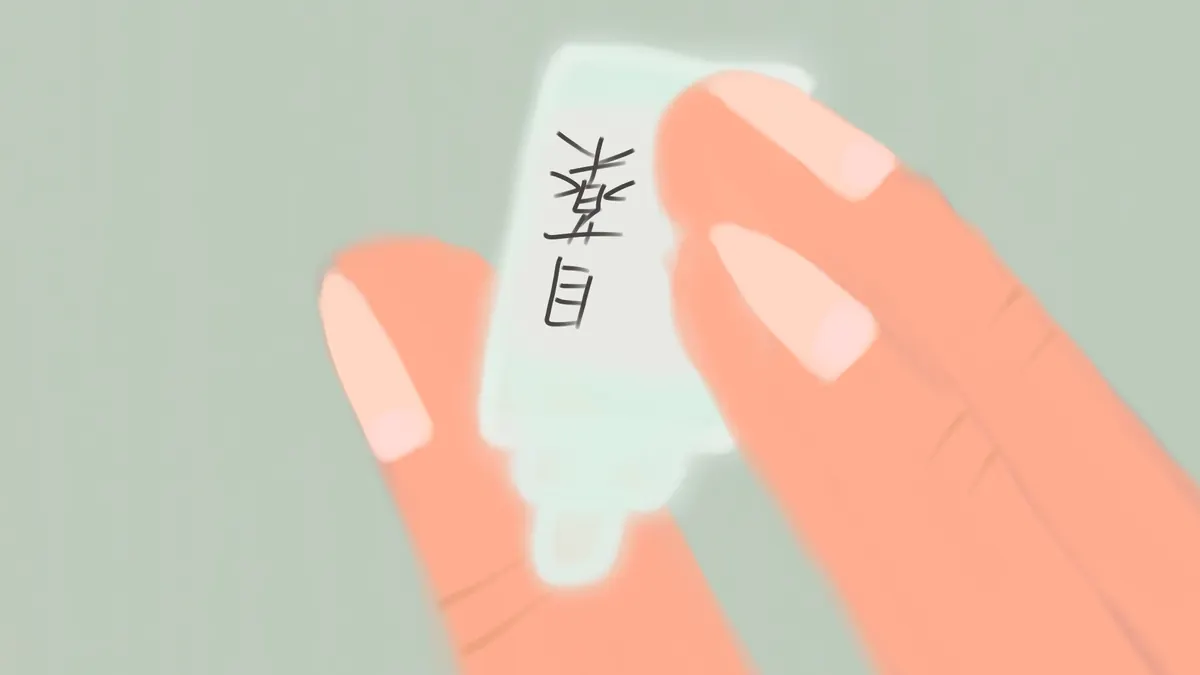
A red eye can be nothing more than irritation from smoke, dust or a late night. It can also be an infection, an allergy or, less often, a problem that threatens sight. The difficulty is that a red eye alone does not tell you which. This post explains the common causes, which signs matter more than the redness itself and when to seek urgent care.
The short answer
- Most red eyes are caused by infection or allergy (conjunctivitis) or irritation such as dryness, and many settle without specific treatment.
- Redness with pain, sensitivity to light, a change in vision or an injury needs urgent assessment.
- The NHS says to seek urgent help if your eye is painful and red, or if you wear contact lenses and have a red eye, as you could have an infection.
- If conjunctivitis has not cleared up within 7 days, the NHS advises seeing a doctor.
Common causes
Conjunctivitis
The NHS describes conjunctivitis, also known as red or pink eye, as an eye condition caused by infection or allergies that usually gets better in a couple of weeks without treatment. It usually affects both eyes and makes them red, burning or gritty, itchy and watery, sometimes with pus that sticks to the lashes.
- Conjunctivitis that produces sticky pus is contagious.
- If the eyes are red and feel gritty, the condition is also usually contagious.
- Conjunctivitis caused by allergies, such as hay fever, makes the eyes red and watery but is not contagious.
Dry or irritated eyes
Dry eyes can cause redness together with itching, soreness, grittiness and blurry vision. The NHS lists contact lens wear, long periods at a screen, air-conditioned or heated rooms, smoke and wind as factors. Our post on dry eyes symptoms goes into more detail, and digital eye strain covers screens.
Other causes
A stye or blepharitis can make the eyelid and the eye look red and swollen. A contact lens that does not suit your eye, or a lens that is worn for too long, can cause infection and inflammation. An injury, a foreign object or a chemical splash can also make an eye red. Some conditions inside the eye, such as inflammation or raised pressure, cause a red eye too, which is why pain and vision changes matter so much.
Looking after a mild red eye
For mild conjunctivitis, the NHS suggests:
- Wash the eyelids with clean water that has been boiled and cooled, using a clean cotton wool pad for each eye to wipe away crusts.
- Hold a cold flannel on the eyes for a few minutes to cool them.
- Do not wear contact lenses until your eyes are better.
- Ask a pharmacist for advice, who can suggest eye drops or antihistamines for symptoms.
To stop it spreading, the NHS advises washing hands regularly with warm soapy water, washing pillow cases and face cloths in hot water and detergent, not sharing towels and pillows, and not rubbing your eyes. You do not usually need to stay away from work or school unless you feel very unwell.
When to get medical help
Ask for an urgent appointment or call a health helpline if you have
- pain in your eyes
- sensitivity to light
- changes in your vision, like wavy lines or flashing
- very red eyes, in one or both
- a red eye while wearing contact lenses
- a baby less than 30 days old with red, sticky eyes
The NHS notes that these can be signs of a more serious eye problem.
Go to emergency care if
- you have any change to your sight, such as wavy lines, flashing or loss of vision
- it hurts to look at light
- you have a red eye with a severe headache and feeling sick
- your eye is very dark red
- you have injured or pierced your eye
- something is stuck in your eye, such as glass or grit
Do not drive yourself. Ask someone to take you or call the emergency number.
Book a routine appointment if
- conjunctivitis symptoms have not cleared up within 7 days
- you wear contact lenses and have symptoms plus spots on the eyelids, as you might be allergic to the lenses
- your baby has red, sticky eyes (a baby under 30 days old needs urgent care)
Which professional to see
For a red eye, an optometrist, a pharmacist or a general doctor is often the first contact, depending on how your local system works. An ophthalmologist treats eye disease and surgery. Our post on optometrists and ophthalmologists explains the roles. Where there is pain, light sensitivity or a vision change, many places direct you to an eye casualty or emergency department.
If you are looking for an eye clinic, our eye care topic gives general background, and the eye care category lists related reading. You can also send an inquiry to ask for help finding a clinic.
Frequently asked questions
Is a red eye always conjunctivitis?
No. Conjunctivitis is common, but dryness, allergies, injuries and inflammation inside the eye can all cause redness. Pain and vision changes make other causes more likely.
Can I wear contact lenses with a red eye?
The NHS advises not wearing contact lenses until conjunctivitis has gone. A red, painful eye in a lens wearer needs prompt assessment, as it could be an infection.
How long is conjunctivitis contagious?
It depends on the cause. Infectious types that produce sticky pus or grittiness are contagious. Allergic conjunctivitis is not. Hygiene steps help reduce the spread.
Do antibiotics always help?
No. The NHS says antibiotics may be prescribed for a bacterial infection, but they will not work if the cause is a virus or an allergy.
General information only
This article is general information, not medical advice. It does not diagnose the cause of a red eye. If you have eye pain, sensitivity to light or any change in vision, seek urgent medical care.
If you think you have a medical emergency, contact your local emergency services or go to the nearest emergency department straight away. Do not wait for a reply from a directory listing.
Need help finding a provider?
Tell us what you need and where. We contact you, understand your situation and help you find and choose a suitable clinic. This service is free for patients.
More from the blog
-
Blog post
Digital eye strain: why screens tire your eyes and what helps
What causes tired, dry or blurry eyes after screen use, practical steps from the American Academy of Ophthalmology, and when to book an eye test.
3 November 2026
-
Blog post
Optometrist or ophthalmologist: which eye professional to see
What optometrists, ophthalmologists and opticians do, which one to see for a sight test, glasses or an eye condition, and how often adults may need an eye examination.
1 November 2026
-
Blog post
Vision loss in numbers: what the WHO World Report on Vision and its 2026 update say
At least 2.2 billion people have a vision impairment and about 1 billion of those cases could have been prevented or are still unaddressed. The verified WHO figures, the main causes, and why sub-Saharan Africa stands out.
12 October 2026