Optometrist or ophthalmologist: which eye professional to see
What optometrists, ophthalmologists and opticians do, which one to see for a sight test, glasses or an eye condition, and how often adults may need an eye examination.
- Escrito por
- HealthNaro Editorial Team
- Publicado
How this page was made: Drafted by the HealthNaro Editorial Team with AI assistance, checked against reputable health sources, and not yet clinically reviewed. Editorial policy
Aún sin revisión clínica
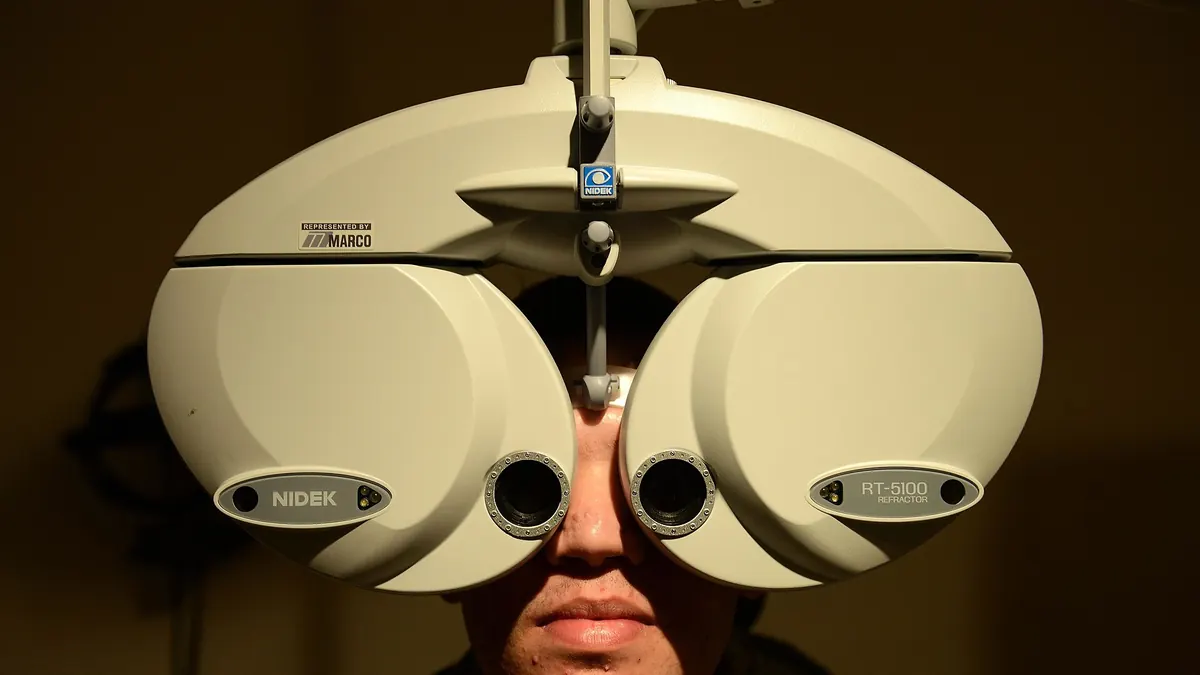
When something is wrong with your eyes, or you think you need glasses, it helps to know which professional to see first. The titles optometrist, ophthalmologist and optician sound alike, and the exact rules differ from one country to the next. This post explains how the roles generally differ and how to choose.
The short version
- An optometrist carries out eye examinations, checks how well you see and the health of your eyes, and prescribes glasses or contact lenses. They are usually the first point of contact for eye care.
- An ophthalmologist is a medical doctor who specialises in eye disease and eye surgery.
- An optician is a term used differently around the world. In some countries it means the person who fits and dispenses glasses, and in others it describes a shop or practice where sight tests are carried out.
Training, titles and what each professional is allowed to do vary by country. In the United States, for example, a doctor of optometry is a separate profession from a physician ophthalmologist, while in the UK, the NHS refers to "opticians" as the place where sight tests are carried out by optometrists.
What the NHS says
The NHS glaucoma page tells people to see a GP or optician if they have concerns, and says that if you are told you have glaucoma you should be referred to a specialist eye doctor (an ophthalmologist) for further tests. It also notes that you can get an eye test at a local opticians, and that the tests are carried out by an optometrist. On cataracts, it advises seeing an optician first, and says to ask an optician if you are not sure. The route is therefore commonly optometrist first, then ophthalmologist where more investigation or treatment is needed.
Who to see for what
| Need | Usual first contact |
|---|---|
| A routine sight test, new glasses or contact lens check | Optometrist |
| Blurred vision, headaches linked to reading or screens | Optometrist |
| Concern about glaucoma, cataract or other eye disease | Optometrist or general doctor, who may refer on |
| Eye surgery, such as cataract surgery | Ophthalmologist |
| Injury or sudden change in vision | Urgent medical care, often an eye casualty or emergency department |
| Diabetic eye screening | The screening service in your country |
If your eye problem appears suddenly, or follows an injury, do not wait for a routine appointment. Sudden loss of vision, a curtain across the sight, severe eye pain, a chemical splash or a new flash of lights should be treated as an urgent matter. Contact emergency or urgent eye care straight away.
What happens at a sight test
A sight test usually checks how clearly you see at a distance and close up, how your eyes work together, and the health of the front and back of the eye. It may include a pressure measurement and an examination of the retina. Our eye test and glasses guide describes the stages, and you can look for clinics that offer one under the eye care topic below.
At the end, you should be told whether you need glasses, what the prescription means and when to come back. You can ask for a copy of your prescription in most places. If you are unsure about the findings, ask the optometrist to explain them in plain words.
How often to have an eye test
There is no single answer. The right interval depends on your age, your eye health, your family history and whether you have conditions such as diabetes. The NHS says some people qualify for free eye tests, and the schedule differs by person. Ask your optometrist how often you should be seen based on your own circumstances. Some people need more frequent checks.
The World Health Organization (WHO) fact sheet on blindness and visual impairment, updated in 2026, reports that at least 2.2 billion people have a near or distance vision impairment, and that at least 1 billion of these cases could have been prevented or have yet to be addressed. Many of those cases involve problems such as uncorrected refractive error and cataract, which routine eye care can address. Our post on vision loss in numbers sets out WHO's figures in more detail.
When to see an ophthalmologist
You may see an ophthalmologist because:
- an optometrist or doctor has referred you after finding something that needs further tests;
- you have a known eye condition that needs specialist monitoring, such as glaucoma;
- surgery is being considered, for example for cataract. Our cataract surgery guide explains the process;
- you have symptoms that do not fit a simple vision problem.
In some countries you can book an ophthalmologist directly. In others you need a referral. Ask your insurer or the clinic.
Choosing a professional
Check registration with the relevant national or regional regulator. Our post on how to verify doctor registration in any country explains how. Ask about what the examination includes, whether imaging is used, the cost, and how results are shared.
You can browse the eye care topic and the specialty page for optometry. Profiles show only information the clinic has supplied and HealthNaro has checked. If you would like help finding a clinic, send a free, non-medical inquiry.
Frequently asked questions
Do I need a referral to see an optometrist?
Usually not. Optometrists are normally the first point of contact for eye care, but rules vary by country.
Can an optometrist treat eye disease?
Optometrists detect and manage many common eye problems and refer when specialist treatment is needed. What they can treat depends on the country.
Is an optician the same as an optometrist?
Not always. In the UK the NHS uses "opticians" for the place where an optometrist carries out your sight test. In other countries the word may mean a person who dispenses glasses.
Should children have eye tests?
Yes, if there is a concern or a suggestion from a doctor or school, and many places offer routine checks. Ask your local health service what applies.
General information only
This article is general information, not medical advice. If your vision changes suddenly or you have an eye injury, seek urgent medical care.
Si cree que tiene una emergencia médica, contacte de inmediato con los servicios de emergencia locales o acuda al servicio de urgencias más cercano. No espere la respuesta de una ficha de directorio.
¿Necesita ayuda para encontrar optometry?
Díganos qué necesita y dónde. Nos ponemos en contacto con usted, entendemos su situación y le ayudamos a encontrar y elegir una clínica adecuada. Este servicio es gratuito para los pacientes.
Más del blog
-
Entrada de blog
Digital eye strain: why screens tire your eyes and what helps
What causes tired, dry or blurry eyes after screen use, practical steps from the American Academy of Ophthalmology, and when to book an eye test.
3 noviembre 2026
-
Entrada de blog
Vision loss in numbers: what the WHO World Report on Vision and its 2026 update say
At least 2.2 billion people have a vision impairment and about 1 billion of those cases could have been prevented or are still unaddressed. The verified WHO figures, the main causes, and why sub-Saharan Africa stands out.
12 octubre 2026
-
Entrada de blog
Eczema or psoriasis: how to tell the difference
How atopic eczema and psoriasis typically look, where they appear, when they start and when to see a doctor for either.
3 noviembre 2026