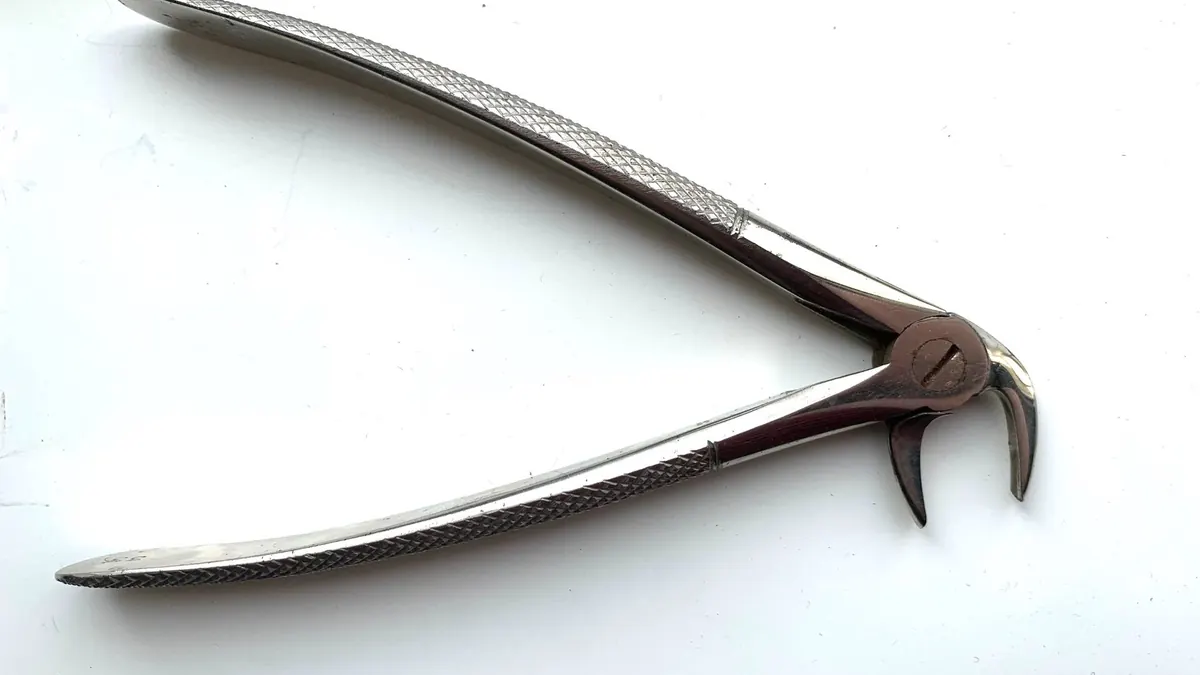
What it involves
A tooth extraction is the removal of a tooth from its socket in the jaw. Dentists carry out simple extractions on teeth they can see and lift out with instruments, and more complex surgical extractions, sometimes with a small cut in the gum, when a tooth is broken, impacted or hard to reach.
Who it is for
It may be advised when a tooth is too badly decayed or damaged to repair, when infection or gum disease has loosened it, when teeth are crowded before orthodontic treatment, or when a wisdom tooth causes problems. Your dentist should explain alternatives, such as repair or root canal treatment, and options for replacing the tooth afterwards.
How long it usually takes
A simple extraction is often quick once the area is numb, and a surgical one can take longer. The clinic can tell you what to expect for your tooth.
What to expect
The dentist numbs the area with local anaesthetic, loosens and removes the tooth, and may place stitches. You will usually feel pressure but not sharp pain. You are given instructions and a gauze pad to bite on while a blood clot forms.
Aftercare
Follow the written instructions you are given. In general, avoid rinsing hard, poking the socket or smoking in the first days, as this can disturb the clot and delay healing. Eat soft foods and keep the rest of your mouth clean. Contact the dentist if bleeding continues, pain increases after the first days or you have swelling or a fever.
When to seek it
See a dentist if a tooth is painful, loose, broken, or infected. Facial swelling or difficulty breathing or swallowing needs urgent medical attention.
What affects the cost
Cost depends on whether the extraction is simple or surgical, the tooth involved, the type of anaesthesia or sedation, any X-rays and the practice. HealthNaro shows a price only where a clinic has supplied a figure with a source and date.
This page is general information and not medical advice. In an emergency, contact your local emergency number.
Sources: NHS; NHS; NHS.