What it involves
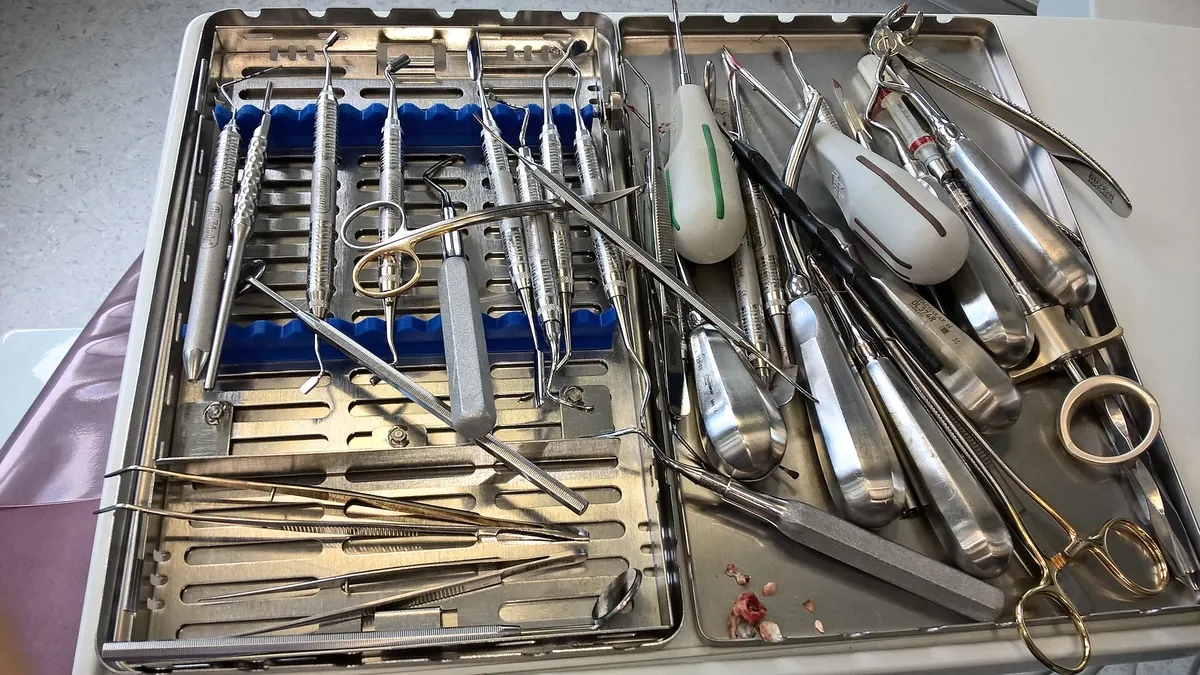
A dental cleaning removes plaque and hardened deposits called tartar from the teeth, including from just below the gum line, where a toothbrush cannot reach. It is usually carried out by a dentist or dental hygienist using hand instruments or an ultrasonic scaler, and it is often followed by polishing.
Who it is for
It is for people who want to maintain gum health, those with visible tartar or bleeding gums, and anyone whose dentist recommends regular professional cleaning. People with gum disease may need deeper cleaning, which is described under gum treatment.
How long it usually takes
A routine cleaning is commonly completed in one visit. The time depends on how much deposit there is and how sensitive your gums are, so ask the practice when you book.
What to expect
You can expect a check of your mouth before or after the cleaning. The scaler may feel vibrating or cool from water spray, and gums that are inflamed may bleed or feel tender. Tell the clinician if you are uncomfortable, as they can adjust what they are doing or discuss options.
Aftercare
Teeth may feel sensitive or gums slightly sore for a short time. Continue brushing and cleaning between your teeth gently as advised. Your dental team can show you techniques that suit your mouth. Contact the practice if bleeding or soreness does not settle.
When to seek it
Ask for a cleaning if you notice bleeding when you brush, bad breath that does not clear, or visible build-up, or if your dentist recommends one at your check-up.
What affects the cost
Cost depends on who carries out the cleaning, how long it takes, whether polishing or other treatments are included and the location of the practice. HealthNaro shows a price only where a clinic has supplied a figure with a source and date.
Read more in our guide: Dental check-up and professional cleaning: what to expect.
This page is general information and not medical advice. In an emergency, contact your local emergency number.
Sources: NHS; NHS; World Health Organization.