What it involves
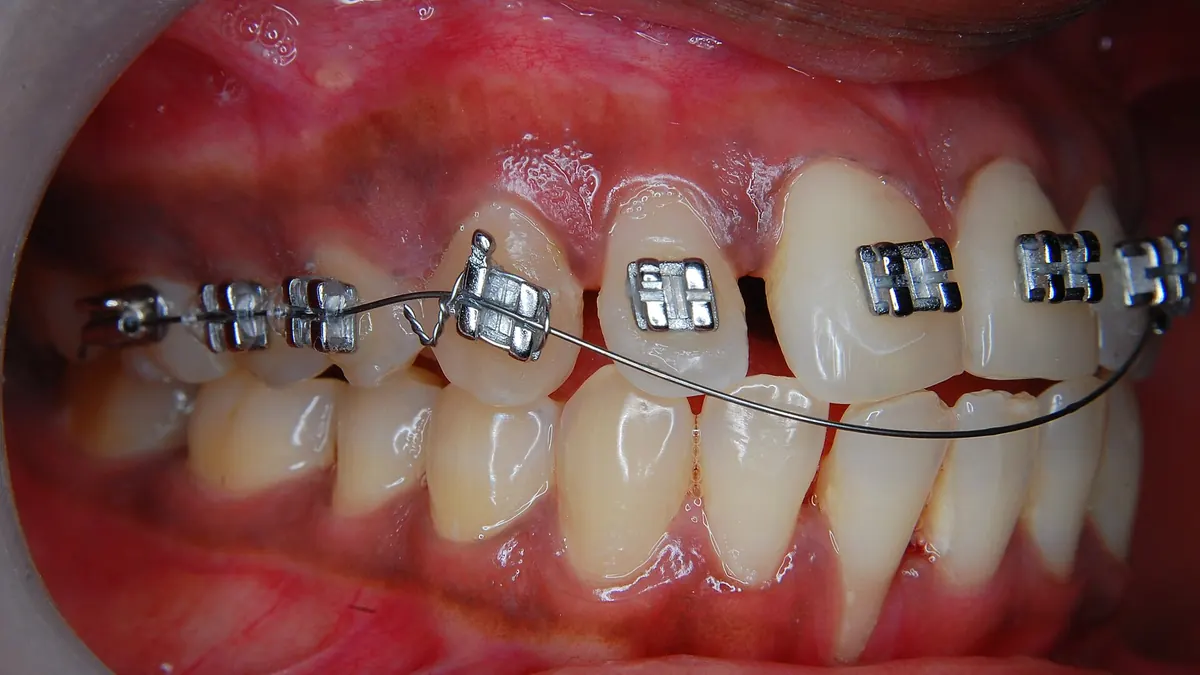
Braces are orthodontic appliances that move teeth gradually into a better position. Fixed braces use brackets bonded to the teeth with a wire, and removable appliances and clear aligners are alternatives. An orthodontist or a dentist with orthodontic training plans and adjusts them.
Who it is for
Braces are used for crowded or spaced teeth, bites that do not meet well and teeth that are difficult to clean. They are most often started in the teenage years, but adults can have them too. The need depends on your teeth and your goals, and the clinician will explain the options.
How long it usually takes
Treatment commonly lasts many months to a few years, with regular adjustment visits. Your orthodontist can estimate the time for your case after an assessment.
What to expect
An assessment includes a mouth examination, photographs, X-rays and impressions or scans. Braces are fitted in one or more visits. Adjustment appointments follow, and a retainer is usually worn afterwards to keep the teeth in position.
Aftercare
Brushing and cleaning between teeth need extra care with braces, as food and plaque collect around brackets. Avoid very hard or sticky foods that can break the appliance, and wear retainers as instructed. Contact the orthodontist if a wire or bracket breaks or causes sore spots.
When to seek it
Seek an assessment if teeth look crowded or misaligned, if you have difficulty cleaning or chewing, or if your dentist suggests it.
What affects the cost
Cost depends on the type of appliance, the length of treatment, the complexity of the case, whether a specialist treats you and the retainers needed. HealthNaro shows a price only where a clinic has supplied a figure with a source and date.
This page is general information and not medical advice. In an emergency, contact your local emergency number.
Sources: NHS; American Dental Association (MouthHealthy).