High blood pressure and diabetes in Kenya: what the national STEPS survey found and why check-ups matter
Kenya's national STEPS survey found that about one adult in four had high blood pressure and that only about 16% of them knew. The verified figures on hypertension, diabetes and awareness, with WHO context.
- Written by
- HealthNaro Editorial Team
- Published
How this page was made: Drafted by the HealthNaro Editorial Team with AI assistance, checked against reputable health sources, and not yet clinically reviewed. Editorial policy
Not yet clinically reviewed
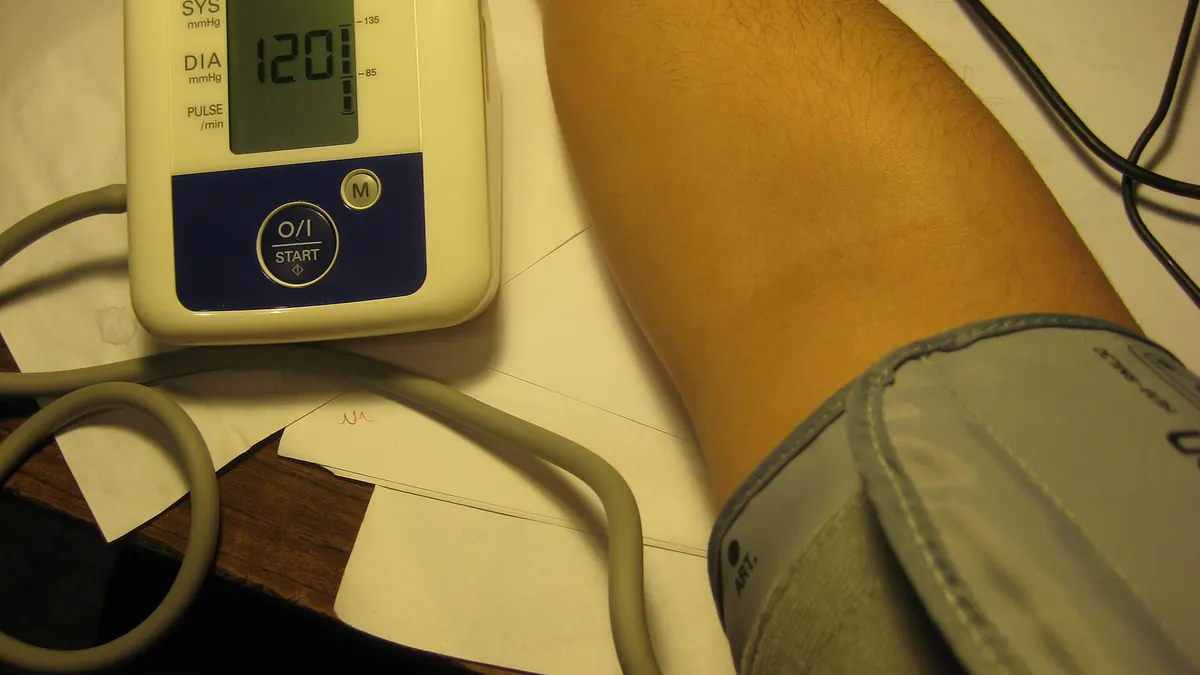
High blood pressure and raised blood sugar have no reliable symptoms in their early years. The only way to know is to be measured. Kenya's first national household survey of non-communicable disease risk factors, the 2015 Kenya STEPS survey, was run by the Ministry of Health with research partners across all 47 counties. Its results, published in BMC Public Health in 2018, remain the national reference point, and they explain why a routine check-up matters for many adults.
Hypertension: prevalence and the awareness gap
The survey measured blood pressure in adults aged 18 to 69. The analysis by Mohamed and colleagues reports the following.
| Measure | Figure | Source |
|---|---|---|
| Adults aged 18 to 69 with hypertension (age-standardised) | about 24.5% | Kenya STEPS 2015, Mohamed et al., BMC Public Health, 2018 |
| People with hypertension who were aware of it | about 16% | Kenya STEPS 2015, Mohamed et al., 2018 |
| Of those aware, the share on treatment | about 27% | Kenya STEPS 2015, Mohamed et al., 2018 |
| Of those treated, the share whose blood pressure was controlled | about 52% | Kenya STEPS 2015, Mohamed et al., 2018 |
| Adults aged 30 to 79 with hypertension (age-standardised, 2019) | about 33% | WHO Kenya Country Health Profile, 2025 |
Read the cascade from the top. If about a quarter of adults have high blood pressure and only about one in six of them knows, then roughly four in five Kenyans with hypertension were walking around undiagnosed at the time of the survey. The WHO figure for the older 30 to 79 age group is higher still, at about a third, which is expected because blood pressure rises with age.
Diabetes and pre-diabetes
The same survey took fasting blood glucose readings.
| Measure | Figure | Source |
|---|---|---|
| Adults with diabetes (age-standardised) | about 2.4% | Kenya STEPS 2015, Mohamed et al., BMC Public Health, 2018 |
| Adults with pre-diabetes (impaired fasting glucose) | about 3.1% | Kenya STEPS 2015, Mohamed et al., 2018 |
| People with diabetes who were aware of their condition | about 44% | Kenya STEPS 2015, Mohamed et al., 2018 |
| Adults with obesity (age-standardised, 2022) | about 12% | WHO Kenya Country Health Profile, 2025 |
| Probability of dying between 30 and 70 from cardiovascular disease, cancer, diabetes or chronic respiratory disease | about 21% | WHO Kenya Country Health Profile, 2025 |
Diabetes prevalence in Kenya is lower than in many high-income countries, but more than half of the people who had it did not know. The survey analysis also found that pre-diabetes was slightly more common than diabetes itself, which is the group for whom a check-up changes most: people with impaired fasting glucose can often delay or avoid diabetes with changes to diet, weight and activity, but only if they have been told.
The global context
| Measure | Figure | Source |
|---|---|---|
| Adults aged 30 to 79 with hypertension worldwide (2024) | about 1.4 billion, or 33% | WHO hypertension fact sheet, 2025 |
| Share unaware of their hypertension | about 44% | WHO hypertension fact sheet, 2025 |
| Share with blood pressure under control | about 23% | WHO hypertension fact sheet, 2025 |
| Share of adults with hypertension living in low- and middle-income countries | about two-thirds | WHO hypertension fact sheet, 2025 |
| Adults with diabetes worldwide (2022) | about 830 million, or 14% | WHO diabetes fact sheet, 2024 |
| Adults aged 30 and over with diabetes not taking medication (2022) | about 59% | WHO diabetes fact sheet, 2024 |
| Deaths from diabetes and diabetes-related kidney disease (2021) | more than 2 million | WHO diabetes fact sheet, 2024 |
Kenya's awareness figures are well below the global averages. Worldwide about 44% of people with hypertension are unaware; in the Kenyan survey the figure was about 84%.
Why the check-up matters more than the symptoms
Blood pressure and fasting glucose are measured in minutes, at a cost that is small compared with treating a stroke, a heart attack, kidney failure or a diabetic foot. The 2022 Kenya Demographic and Health Survey, published by the Kenya National Bureau of Statistics, gives two reasons why these measurements still go undone: only about 1 in 4 Kenyans has any form of health insurance, and screening for other conditions is also low, with about 17% of women ever tested for cervical cancer and about 14% ever examined for breast cancer. A visit for one measurement is a chance to ask for the others.
A reasonable routine for adults is to have blood pressure measured at least once a year, more often if it has ever been raised or if there is a family history, and to ask for a fasting glucose or HbA1c test if you are over 40, overweight, have had diabetes in pregnancy, or have a close relative with diabetes. Your clinician will advise on the right interval for you. This post does not offer a diagnosis and does not discuss medicines; those decisions belong in the consultation.
How we checked these figures
We opened both BMC Public Health papers from the 2015 Kenya STEPS survey on PubMed Central: Mohamed et al. on hypertension (volume 18, supplement 3, article 1219, published 7 November 2018) and Mohamed et al. on pre-diabetes and diabetes (article 1215, same date). The awareness figure for hypertension is given as 15.6% in the abstract and 15.5% in the results; we have rounded to about 16%. The diabetes awareness figure is quoted from the papers' statement that 43.7% were aware of their glycaemic condition. The WHO Kenya figures are from the WHO Kenya Country Health Profile PDF created 3 February 2025. Global figures are from the WHO hypertension fact sheet of 25 September 2025 and the WHO diabetes fact sheet of 14 November 2024. The insurance and screening figures are from the KNBS summary of the 2022 Kenya Demographic and Health Survey. We did not use the Ministry of Health's original STEPS report directly because we could not open it, so the peer-reviewed analyses, which were co-authored by Ministry staff, are cited instead.
If you want a blood pressure or blood sugar check, the general practice and cardiology pages list providers with their verification level. You can also tell us what you need and we will help you find a suitable clinic; the service is free.
If you think you have a medical emergency, contact your local emergency services or go to the nearest emergency department straight away. Do not wait for a reply from a directory listing.
Need help finding a provider?
Tell us what you need and where. We contact you, understand your situation and help you find and choose a suitable clinic. This service is free for patients.
More from the blog
-
Blog post
Getting a second opinion: when it helps and how to ask
A second opinion is a reasonable request for a significant diagnosis or treatment decision. When it can help, how to ask politely, what records to share and how to weigh differing views.
1 November 2026
-
Blog post
How to check a doctor or dentist is registered in any country
A country-neutral method for checking that a doctor or dentist is on an official register: where registers sit, what to search for, what a result does and does not tell you, and what to do when you cannot find one.
1 November 2026
-
Blog post
What to bring to a first appointment in another country
A practical checklist for a first doctor visit abroad: records, medicine names, translations, insurance details and questions, plus how to keep your information safe.
1 November 2026