Acne in adults: what helps and when to see a doctor
What acne looks like, the everyday steps the NHS suggests, how a pharmacist can help and when a doctor or dermatologist can offer more.
- Written by
- HealthNaro Editorial Team
- Published
How this page was made: Drafted by the HealthNaro Editorial Team with AI assistance, checked against reputable health sources, and not yet clinically reviewed. Editorial policy
Not yet clinically reviewed
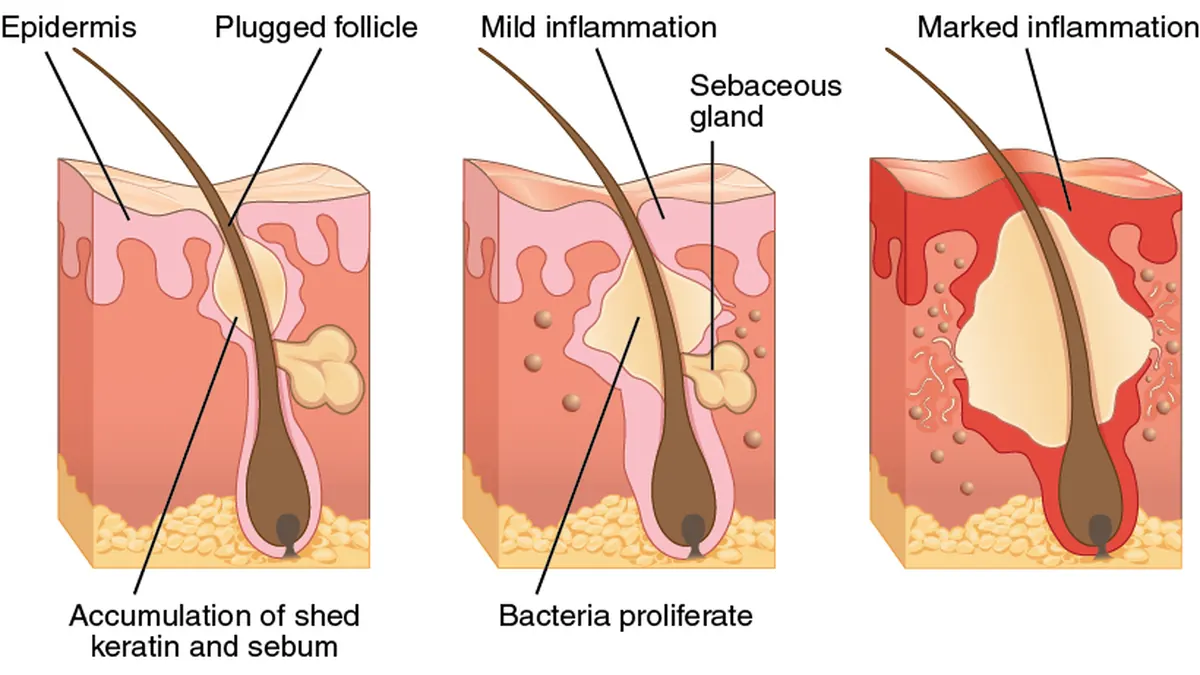
Acne is often thought of as a teenage problem, but many adults have spots too, sometimes for the first time. It can be mild, with a few spots, or severe, with deep, painful lumps, and it can affect confidence and mood. The NHS says there are many treatment options and ways to manage acne. This post explains what acne is, the practical steps that may help, the limits of home care and when a doctor or dermatologist can add more.
The short answer
- Acne usually affects the face, chest and back and can range from a few spots to deep, painful lumps.
- Gentle washing twice a day, removing make-up at night, using non-comedogenic products, and not picking or squeezing are standard NHS advice.
- A pharmacist can suggest treatments you put on the skin, such as products containing salicylic acid or benzoyl peroxide.
- See a doctor if self-care is not working, if spots are deep, painful or scarring, if skin looks infected, or if acne affects your mental health.
What acne looks like
The NHS describes different types of spot, and you may have more than one:
- Whiteheads: small bumps the same colour as your skin.
- Blackheads: black or brown spots that are usually flat but may be raised.
- Papules: raised bumps, pink or red on white skin and brown or purple on brown and black skin.
- Pustules: raised bumps filled with pus.
- Nodules and cysts: larger lumps under the skin that may join together and can be painful.
Acne can also cause oily skin, changes in skin colour and texture, and scarring such as shallow holes. The NHS notes that it can affect mental health, causing anxiety, depression and low self-esteem. If it is affecting how you feel, that is a reason to get help in its own right.
Why adults get acne
The NHS page we reviewed focuses on symptoms and management, so we do not list specific triggers here. In general, acne involves pores that become blocked and inflamed. Hormones, some products and some medicines may play a part for some people, and a doctor can look at whether anything in your health or medicines is relevant. Mention any new product, medicine or change in health when you see a doctor. Acne that starts suddenly in adulthood, or comes with other symptoms such as irregular periods or excess hair growth, is worth discussing with a doctor.
What you can do yourself
The NHS lists these steps:
- wash your skin twice a day with a gentle cleanser
- remove make-up at the end of the day
- use skincare and make-up products that are non-comedogenic, which means they will not clog pores
- try acne treatments you put on your skin, such as salicylic acid or benzoyl peroxide, and speak to a pharmacist for advice
- wear loose, breathable clothing, especially when exercising or sweating, if acne affects your body
And what to avoid:
- do not pick or squeeze spots, because this can cause scars
- do not scrub your skin, as this can irritate it and make acne worse
Give any new treatment a fair trial, and follow the instructions on the product. Some can dry or irritate the skin, so introduce one at a time and ask a pharmacist how to start. A pharmacist can also recommend supplements that come as tablets, and can tell you if you need to see a doctor.
Skin of colour
Redness is harder to see on brown and black skin, and acne can leave dark marks after the spots have healed. The NHS notes that spots may look brown or purple rather than pink or red. If you are concerned about marks or scarring, ask a doctor or dermatologist about options early.
When to see a doctor
The NHS advises seeing a GP if:
- you have tried treating acne yourself and it is not getting better
- you have lots of spots, or the spots are deep, painful or causing scars
- you have signs of a skin infection, such as hot, swollen and red skin (redness can be harder to see on brown and black skin)
- it is affecting your mental health
A doctor may offer prescription treatments, which are stronger than those from pharmacies and shops, or refer you to a dermatologist. Treatments and what is available differ between countries, and some are not suitable in pregnancy, so tell the doctor if you are pregnant or planning a pregnancy.
Getting the most from the appointment
- Take a list of everything you use on your skin and any medicines or supplements.
- Describe what you have tried, for how long and with what result.
- Say how the acne affects you day to day.
- Ask what the treatment involves, how long it needs before you can judge, and what side effects to expect.
Our guide to a dermatology consultation for acne and eczema walks through the visit, and the skin consultation service page describes the service. See the dermatology topic for wider background, or send an inquiry to ask for help finding a clinic.
Beware of promises
Be cautious of treatments that promise to clear acne quickly, or that you must buy in a bundle. No treatment suits everyone, and results take time. Check the qualifications of whoever treats you, and do not take products that have not been approved in your country.
Frequently asked questions
Does washing more often clear acne?
No. The NHS advises washing twice a day with a gentle cleanser and warns against scrubbing, which can irritate the skin and make acne worse.
Can I cover acne with make-up?
You can, but choose non-comedogenic products and remove make-up at the end of the day, as the NHS advises.
Should I pop spots?
No. The NHS says picking or squeezing can cause scars.
When will treatment work?
It varies. Ask the pharmacist or doctor how long to continue before judging a treatment.
General information only
This article is general information, not medical advice. If you feel very low, anxious or hopeless because of acne, speak to a doctor, or contact local emergency or crisis services if you are in distress.
If you think you have a medical emergency, contact your local emergency services or go to the nearest emergency department straight away. Do not wait for a reply from a directory listing.
Need help finding dermatology?
Tell us what you need and where. We contact you, understand your situation and help you find and choose a suitable clinic. This service is free for patients.
More from the blog
-
Blog post
When to worry about a mole: changes to check and when to see a doctor
What a typical mole looks like, the changes the NHS lists as possible signs of melanoma, and how to check your skin and seek advice.
4 November 2026
-
Blog post
Eczema or psoriasis: how to tell the difference
How atopic eczema and psoriasis typically look, where they appear, when they start and when to see a doctor for either.
3 November 2026
-
Blog post
Toothache: when to see a dentist and when it is an emergency
What commonly causes toothache, how long it is reasonable to wait, and the signs of swelling or infection that need urgent care.
5 November 2026